Essential Dog Vaccination Schedule in Kenya
Understanding Dog Vaccination in Kenya
Vaccination is a crucial aspect of responsible dog ownership, particularly in Kenya where diseases like rabies pose a significant threat to both canine and human populations. This guide outlines the recommended vaccination schedule for puppies and adult dogs, ensuring that your furry friends remain healthy and protected.
Puppy Vaccination Schedule
According to the Kenya Veterinary Association, puppies should start their vaccinations early to build a strong immune system. Here’s a detailed schedule:
First Vaccination - 6 Weeks
- Puppies should receive their first vaccination at 6 weeks of age. This initial shot typically includes vaccines for common diseases.
Second Vaccination - 9 Weeks
- A second vaccination should be administered at 9 weeks, usually including a combination vaccine that protects against several diseases.
Third Vaccination - 12 Weeks
- At 12 weeks, puppies must receive the rabies vaccine, which is mandatory in Kenya as per the International Livestock Research Institute. This vaccination is critical for protecting your dog and the surrounding community.
Adult Dog Vaccination Schedule
For adult dogs, maintaining immunity is essential. The Ministry of Agriculture, Livestock, Fisheries and Cooperatives recommends the following:
Annual Boosters
- Adult dogs should receive annual booster vaccinations to maintain immunity against diseases, including rabies. This is vital to ensure that your dog remains protected as they age.
Rabies Vaccine for Adult Dogs
- The rabies vaccine is administered again one year after the initial vaccination at 12 weeks, with subsequent boosters every three years, according to the Food and Agriculture Organization of the United Nations.
Why Vaccination Matters
Vaccination protects not only your dog but also public health. By vaccinating your dog, you reduce the risk of disease outbreaks in your community. In Kenya, where rabies is a serious concern, keeping your dog's vaccinations up to date is paramount.
Practical Tips for Dog Owners
- Keep a vaccination record: Maintain a log of your dog’s vaccination dates and types to ensure you stay on schedule.
- Visit a veterinarian: Regular check-ups with a qualified veterinarian can help you manage your dog's health effectively.
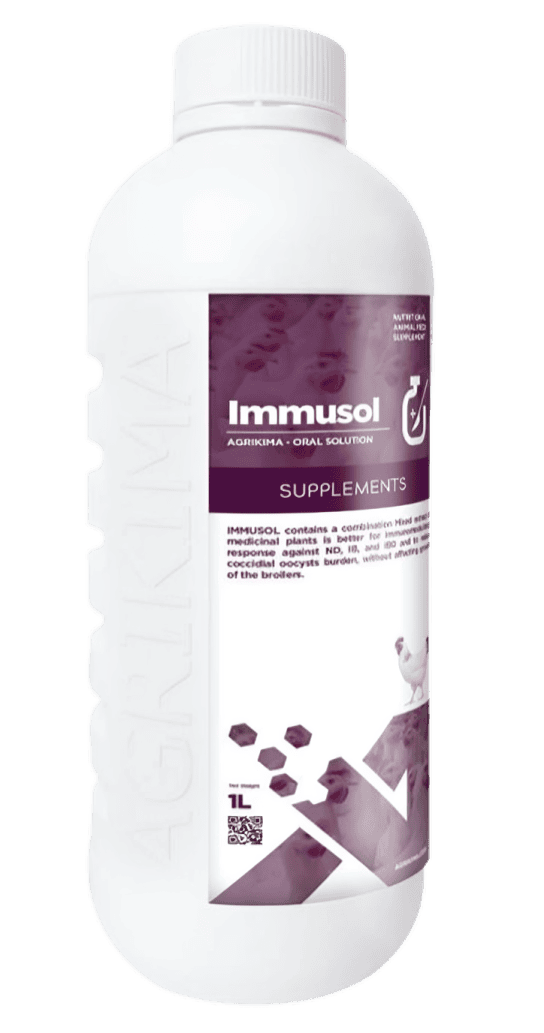
- Use quality veterinary products: Consider using quality supplements and health products to boost your dog's immune system, especially during vaccination periods.
Conclusion
Establishing a proper vaccination schedule for your puppies and adult dogs in Kenya is not only a matter of compliance with health regulations but also a commitment to their well-being. By following the outlined vaccination schedule and ensuring that your dog's health is prioritized, you contribute to a healthier community.
Your message to the team
Sources: Read More
- Vaccination Schedule for Dogs in Kenya — Kenya Veterinary Association
- Guidelines for Dog Vaccination in Kenya — Ministry of Agriculture, Livestock, Fisheries and Cooperatives
- Canine Vaccination Protocols — Food and Agriculture Organization of the United Nations
- Dog Vaccination Programs in Kenya — University of Nairobi, Faculty of Veterinary Medicine
- Rabies Control and Prevention in Dogs — International Livestock Research Institute