Comprehensive Duck Farming Guide for Meat and Eggs
Introduction to Duck Farming
Ducks are becoming an increasingly popular choice for farmers looking to diversify their poultry production, particularly for meat and eggs. This duck farming guide will provide essential insights into raising ducks, with a focus on best practices and management strategies suitable for farmers in Kenya.
Choosing the Right Duck Breeds
When starting your duck farming journey, selecting the right breed is crucial. The Pekin duck is renowned for its rapid growth and excellent meat quality, making it a top choice for meat production. If you are looking to produce eggs, consider breeds like the Khaki Campbell or Indian Runner, which are known for high egg production.
Duck Housing
Proper housing is vital for the health and productivity of your ducks. Ducks require protection from extreme weather and predators, a clean, dry shelter, and access to clean drinking water to maintain health. A simple structure like a partially-enclosed shed, along with inexpensive fencing and basic equipment, is sufficient for housing a small flock of ducks.
Designing Your Duck House
- Size: Allocate about 4 to 6 square feet per duck indoors.
- Ventilation: Ensure good airflow to prevent moisture build-up inside the shelter.
- Flooring: Use straw or wood shavings for bedding, which helps absorb moisture and provides comfort.
- Access to Water: Ducks love water; provide shallow pools or containers for them to play and clean themselves.
Feeding Ducks for Optimal Growth
Feeding is crucial for the growth and health of your ducks. A balanced diet will ensure they thrive and produce quality meat and eggs. Here are some feeding guidelines:
- Starter Feed: Begin with a high-protein starter feed for ducklings until about 3 weeks of age.
- Grower Feed: Transition to grower feed until they reach market weight, typically around 6 to 7 pounds at 7 to 9 weeks of age.
- Layer Feed: For egg-laying ducks, switch to a layer feed that provides the necessary calcium for egg production.
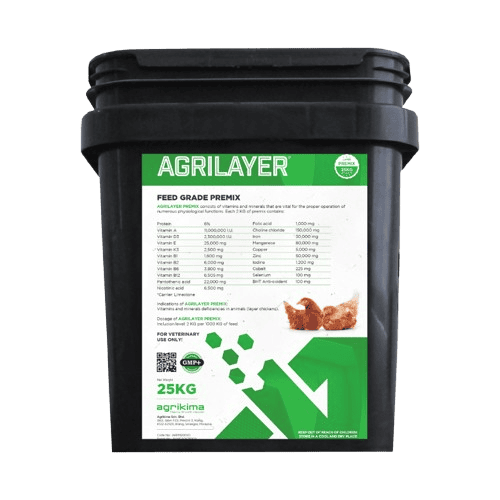
Additionally, incorporating quality veterinary products and supplements can enhance their health and productivity.
Duck Egg Production
Duck egg production is a rewarding venture, as duck eggs are larger and richer in flavor compared to chicken eggs. To maximize production, consider the following:
- Light Management: Provide adequate lighting to stimulate egg laying, especially during shorter days.
- Health Monitoring: Regularly check for signs of disease and ensure vaccination schedules are maintained.
- Diet: A balanced diet rich in protein will help increase egg production.
Best Practices for Egg Collection
- Collect eggs daily to prevent breakage and maintain cleanliness.
- Store eggs in a cool, dry place to extend their shelf life.
Raising Ducks in Kenya
Raising ducks in Kenya can be particularly beneficial due to the country's varied climate and agricultural practices. Ducks thrive in both rural and urban settings, and their ability to forage makes them excellent for small-scale farming. Here are some tips specific to raising ducks in Kenya:
- Local Feed Resources: Utilize locally available feed resources like maize, kitchen scraps, and forage to supplement their diet.
- Water Access: Ensure that your ducks have constant access to clean water for drinking and swimming, essential for their health and well-being.
- Community Support: Join local farming groups or cooperatives for shared resources, knowledge, and support.
Common Health Issues and Management
Just like other livestock, ducks are susceptible to various health issues. Here are some common problems and how to manage them:
- Respiratory Issues: Ensure proper ventilation in housing to prevent respiratory infections.
- Parasites: Regularly check for signs of parasites and maintain a deworming schedule.
- Foot Problems: Provide clean bedding and check for injuries to prevent foot-related issues.
Utilizing veterinary products can help prevent and treat these health issues effectively.
Conclusion
Duck farming for meat and eggs can be a lucrative and rewarding venture. By following this duck farming guide, understanding housing requirements, feeding practices, and health management, you can establish a successful duck farming operation. With dedication and proper management, your ducks can thrive, providing you with quality meat and eggs to meet market demands.
Your message to the team
Sources: Read More
- Basic Duck Care — Cornell University College of Veterinary Medicine
- Duck Housing and Management — Cornell University College of Veterinary Medicine
- Raising Commercial Ducks as a 4-H or FFA Project — University of Wisconsin Extension
- Duck keeping in the tropics — Food and Agriculture Organization of the United Nations (FAO)
- Ducks | Gateway to poultry production and products — Food and Agriculture Organization of the United Nations (FAO)
- Feeding Ducks Intended for Consumption — Extension Foundation