Ear Tagging and Record Keeping for Small Ruminants
Understanding Ear Tagging for Small Ruminants
Ear tagging is an essential practice in managing a small ruminant flock, including goats and sheep. It serves as a primary method for small ruminant identification, allowing farmers to keep track of individual animals and their pertinent information. This not only aids in management but also enhances the overall health of the flock.
Benefits of Ear Tagging
- Identification: Ear tags provide a unique identification number for each animal, making it easy to manage records.
- Health Monitoring: With proper tagging, farmers can track vaccination schedules, health treatments, and breeding cycles.
- Movement Tracking: Tags help in monitoring animal movement, which is crucial for biosecurity and disease prevention.
Best Practices for Ear Tagging
To ensure effective ear tagging, follow these guidelines:
- Choose high-quality ear tags that are durable and easy to read. Materials should be resistant to wear and tear.
- Place the ear tag about one-third from the head, ensuring it avoids cartilage and arteries for animal safety.
- Consider utilizing both visual and electronic tags for better traceability, especially in larger operations.
Simple Record Keeping for Your Flock
Effective record keeping is vital for the management of any small ruminant operation. A well-structured record-keeping system helps track the flock's performance and health, maximizing productivity.
Types of Records to Maintain
Farmers should consider maintaining the following records:
- Lambing and Kidding Records: Document the dates and outcomes of births, including the number of offspring and any complications encountered.
- Vaccination and Health Records: Keep a log of all vaccinations given, including dates and types of vaccines administered. This aids in maintaining herd immunity.
- Weaning Records: Track weaning dates and weights to assess growth rates and nutrition levels.
- Movement Records: Maintain a log of animal movements, including sales, purchases, or transfers to different pastures.
Implementing a Record Keeping System
Here are some tips for setting up your record-keeping system:
- Use a simple spreadsheet or specialized software designed for livestock management to streamline the process.
- Ensure records are updated regularly and accurately, ideally after each event (birth, vaccination, etc.) to prevent errors.
- Train farm staff on the importance of record keeping and how to log information correctly, as this ensures consistency.
Integrating Ear Tagging with Record Keeping
Combining ear tagging with a robust record-keeping system can significantly enhance the management of your small ruminant flock. Each ear tag's unique ID should be linked directly to the records you maintain. For example, when a new lamb is born, record its details immediately alongside its ear tag number.
Tips for Effective Integration
- Utilize a centralized digital platform that allows you to enter and access records easily, linking them directly to each animal's ID.
- Regularly review your records to identify patterns or issues in flock health, production, or breeding that may require attention.
- Consider creating a hard copy backup of critical records in case of digital failures.
Conclusion
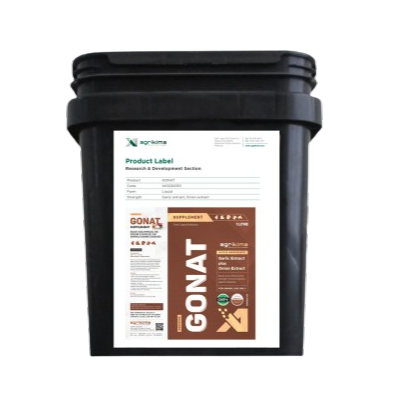
Implementing effective ear tagging and simple record keeping practices for your small ruminant flock can lead to better health outcomes, improved productivity, and enhanced management efficiency. By investing in quality ear tags and maintaining comprehensive records, you can ensure that your flock is well-managed and thriving. Don't forget to utilize quality veterinary products and supplements to support your animals' health needs!
Your message to the team
Sources: Read More
- Educational Tips for Farmers: Animal Identification/Tags for Sheep and Goats — Mississippi State University Extension Service
- Record Keeping for Your Small Ruminant Operation — University of Idaho Extension
- NVAP Reference Guide: Sheep and Goat Identification — USDA Animal and Plant Health Inspection Service (APHIS)
- Record Keeping and Identification in Intensive Sheep Production in the Near East — Food and Agriculture Organization of the United Nations (FAO)
- Livestock Identification and Traceability: Sheep and Goats Guidance — Scottish Government
- Sheep Identification Systems (ASC‑130) — University of Kentucky Cooperative Extension