Effective Feed Storage Methods for Farmers
Introduction to Feed Storage Methods
Proper feed storage methods are crucial for maintaining the nutritional quality and safety of animal feeds. Whether you're a dairy, poultry, or livestock farmer, understanding how to store feed effectively can prevent spoilage, reduce waste, and support the overall health of your animals.
Understanding the Importance of Feed Storage
Improper storage can lead to issues such as mold growth, nutrient loss, and contamination. Therefore, implementing grain storage best practices is essential for maximizing feed shelf life.
Key Considerations for Feed Storage
- Moisture Control: Keeping feed dry is vital for preventing spoilage. High moisture levels can promote mold growth and mycotoxin production, which can be harmful to animals.
- Temperature Management: Store feed in a cool, dry place. High temperatures can accelerate spoilage and reduce nutrient quality.
- Pest Control: Ensure your storage area is free from rodents and insects, which can contaminate feed.
- Regular Inspection: Regularly check stored feed for signs of spoilage or contamination.
Feed Storage Methods
1. Silos and Bins
Silos and bins are popular for storing large quantities of grain and feed. These structures keep feed dry and protected from pests. Ensure that these containers are airtight to maintain optimal conditions.
2. Bags and Drums
For smaller quantities, bags or drums can be effective. Store them off the ground and in a shaded area to avoid moisture absorption. Use moisture-proof bags if possible.
3. Fumigation of Animal Feed
Fumigation can help control pests and prevent spoilage. Always follow guidelines and safety protocols when fumigating animal feed to ensure the safety of your livestock.
4. Temperature and Humidity Control
Utilize dehumidifiers or air conditioning if storing in enclosed spaces, especially in humid climates. Monitor the temperature and humidity levels regularly to prevent moisture build-up.
Best Practices for Grain Storage
Implementing grain storage best practices is essential for preserving feed quality:
- Clean Before Storage: Ensure grains are clean and free from debris before storage.
- Aeration: Aerate stored grain to reduce moisture and temperature, which helps prevent spoilage.
- Regular Monitoring: Check grain for pests and moisture content regularly.
Feed Moisture Control
Maintaining the correct moisture level is crucial. Ideally, feed should have a moisture content of less than 14%. Use moisture meters to check levels and adjust storage conditions accordingly.
Mycotoxin Prevention in Feed
To prevent mycotoxin contamination, consider using natural additives and supplements that inhibit mold growth. Regularly inspect your stored feed for signs of mold and discard any affected batches immediately to protect your livestock.
Extending Feed Shelf Life
To maximize feed shelf life, follow these additional tips:
- Rotate Stock: Use the oldest feed first to ensure nothing goes to waste.
- Seal Containers: Ensure that all containers are sealed tightly to prevent air and moisture ingress.
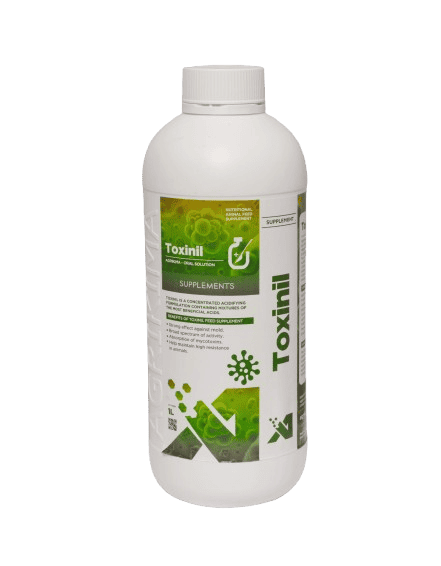
- Use Quality Additives: Implementing quality veterinary products and supplements can enhance feed preservation and provide additional health benefits to your animals.
Conclusion
Effective feed storage methods are essential for maintaining the health and productivity of your farm animals. By understanding grain storage best practices, controlling feed moisture, and preventing mycotoxin contamination, you can ensure that your feed remains fresh and nutritious. Always prioritize regular inspections and quality control to mitigate risks in your feed storage practices.