Eggshell Quality Problems: Understanding Thin Shells and Cracks
Understanding Eggshell Quality Problems in Layers
Eggshell quality is a critical aspect of poultry farming that directly impacts both the productivity and profitability of layer hens. Common issues such as thin eggshells and cracked eggs can indicate underlying health problems in your flock. This article will explore the causes of these issues and offer practical solutions to enhance eggshell quality.
Common Eggshell Quality Problems
Eggshell quality problems can manifest in several ways, with thin shells and cracks being the most prevalent. Understanding these issues is essential for farmers aiming to maintain a healthy and productive laying flock.
Thin Eggshell Causes
Thin eggshells are often a sign of nutritional deficiencies, environmental stress, or health issues within the flock. Here are some common causes:
- Calcium Deficiency in Hens: Calcium is crucial for eggshell formation. A deficiency can lead to thin shells. Ensure layers receive adequate calcium through their diet.
- Vitamin D Deficiency: Vitamin D is essential for calcium absorption. Without it, hens may struggle to utilize the calcium they consume.
- Age of the Hens: Older hens may produce thinner shells as their calcium reserves deplete over time.
- Stress Factors: Environmental stressors such as high temperatures, inadequate space, and sudden changes in routine can adversely affect eggshell quality.
- Inadequate Nutrition: A balanced diet is vital. Lack of essential nutrients can lead to poor eggshell quality.
Cracked Eggs Layer
Cracked eggs are another significant problem that can occur in layers. The presence of cracks can also stem from the following factors:
- Improper Handling: Rough handling during collection can damage eggshells, leading to cracks. Implementing gentle handling practices is crucial.
- Environmental Conditions: Fluctuations in humidity and temperature can cause stress on eggshells, resulting in cracks.
- Genetics: Some breeds are more prone to producing eggs with weaker shells. Choosing the right breed is important for optimal shell quality.
- Overcrowding: High stocking densities can lead to stress and aggressive behaviors, increasing the likelihood of cracks.
What Thin and Cracked Eggshells Tell You
The condition of eggshells can serve as a vital indicator of your flock's overall health. Here’s what you should consider:
- Nutritional Assessment: Regularly evaluate the nutritional content of your layer feed to ensure it meets the needs of your hens.
- Health Monitoring: Keep an eye on your flock for signs of illness or distress, which can contribute to eggshell quality problems.
- Environmental Control: Maintain a stable environment, ensuring appropriate temperature and humidity levels in the poultry house.
Solutions to Improve Eggshell Quality
Addressing eggshell quality problems requires a multifaceted approach. Here are several actionable steps to enhance the health of your layers:
1. Nutrition
Ensure that your layer feed contains adequate levels of calcium, vitamin D, and other essential nutrients. You may consider incorporating:
- Calcium Supplements: Use limestone or oyster shell as a supplement to boost calcium levels.
- Vitamin D Fortification: Ensure your feed is properly fortified with vitamin D to improve calcium absorption.
- Balanced Diet: Provide a well-rounded diet that includes proteins, minerals, and vitamins to maintain overall health.
2. Environmental Management
Implement measures to enhance the living conditions of your flock:
- Temperature Control: Use fans or misters to maintain a comfortable temperature, especially during hot weather.
- Space Management: Ensure adequate space per bird to reduce stress and aggression.
- Ventilation: Improve air circulation to reduce humidity and prevent respiratory issues.
3. Regular Health Checks
Conduct routine health assessments to catch any potential issues early:
- Veterinary Consultation: Regular check-ups with a vet can help identify and treat health issues before they impact eggshell quality.
- Biosecurity Measures: Implement strict biosecurity protocols to protect your flock from diseases.
Conclusion
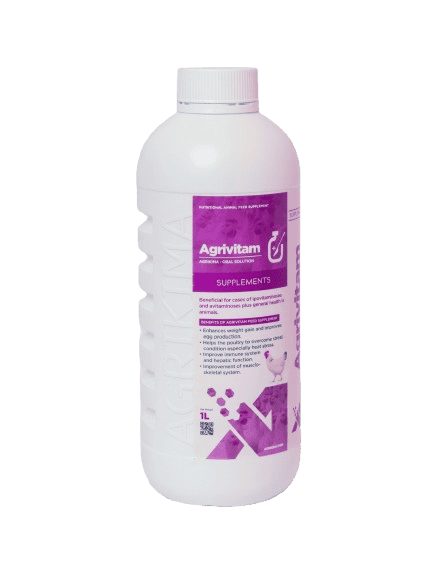
Addressing eggshell quality problems in layers is essential for maintaining a productive and profitable poultry operation. By understanding the causes of thin shells and cracks, and implementing effective solutions, you can significantly improve your flock's health and performance. Remember, quality veterinary products and nutritional supplements can play a crucial role in supporting your hens and enhancing their eggshell quality.