Enhancing Feed Digestibility with NSP Enzymes
Understanding NSP Enzymes
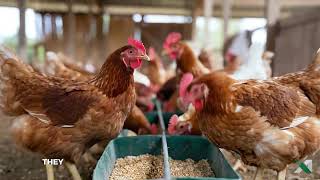
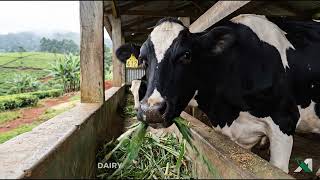
Non-starch polysaccharide (NSP) enzymes are specialized additives in animal feeds that enhance the breakdown of complex carbohydrates. These enzymes are particularly beneficial in improving the digestibility of feed ingredients that are high in fiber, such as grains and roughages. By incorporating NSP enzymes into livestock diets, farmers can optimize nutrient absorption, leading to better overall animal health and productivity.
Why Use NSP Enzymes?
The primary function of NSP enzymes is to degrade non-starch polysaccharides, which are often found in plant cell walls. These compounds can limit nutrient availability and utilization in animal feeds. When NSP enzymes are added, they help break down these complex structures, making the nutrients more accessible for absorption.
Benefits of Adding NSP Enzymes
- Improved Nutrient Digestibility: NSP enzymes enhance the digestibility of feed, allowing animals to absorb more nutrients from their diet, which can lead to increased growth and productivity.
- Enhanced Feed Efficiency: With better nutrient utilization, animals require less feed to achieve the same growth rates, effectively reducing feed costs for farmers.
- Reduced Waste: By improving nutrient absorption, NSP enzymes can reduce nutrient excretion into the environment, making livestock production more sustainable.
- Better Health and Performance: Improved digestibility can lead to better overall animal health, reducing the incidence of digestive disorders and promoting growth.
Integrating NSP Enzymes into Feed Formulations
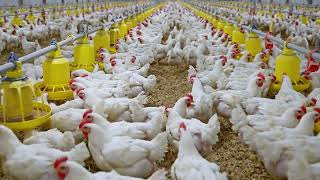
When adding NSP enzymes to feed, it’s essential to consider the specific needs of your livestock. Different species may benefit from different types of enzymes. For instance, poultry and swine diets can particularly benefit from these enzymes due to their often high-fiber feed components.
Practical Tips for Implementation
- Consult with Nutritionists: Before making any changes to feed formulations, consult with an animal nutritionist to determine the appropriate type and amount of NSP enzymes to use.
- Start Gradually: Introduce NSP enzymes gradually into the diet to monitor animal response and adjust as necessary. This can help avoid digestive upsets.
- Monitor Performance: Keep track of animal growth, feed intake, and overall health after introducing NSP enzymes to assess their effectiveness.
- Combine with Other Additives: Consider combining NSP enzymes with other feed additives like phytase to further enhance nutrient digestibility and absorption.
Specific Examples of NSP Enzymes
Several NSP-degrading enzymes are available on the market today. Here are a few examples:
- Xylanase: Targets xylan, a major component of plant cell walls, improving the digestibility of fibrous feeds.
- Cellulase: Breaks down cellulose, enhancing fiber digestion and nutrient access.
- Beta-glucanase: Effective in breaking down beta-glucans found in barley and oats, which can improve energy utilization in swine diets.
Combining NSP Enzymes with Phytase
An effective strategy for improving feed digestibility is to combine NSP enzymes with phytase. Phytase helps to break down phytic acid in grains, which can otherwise limit phosphorus availability. By using both NSP enzymes and phytase, farmers can maximize nutrient utilization, leading to even better growth rates and reduced environmental impact due to lower phosphorus excretion.
Conclusion
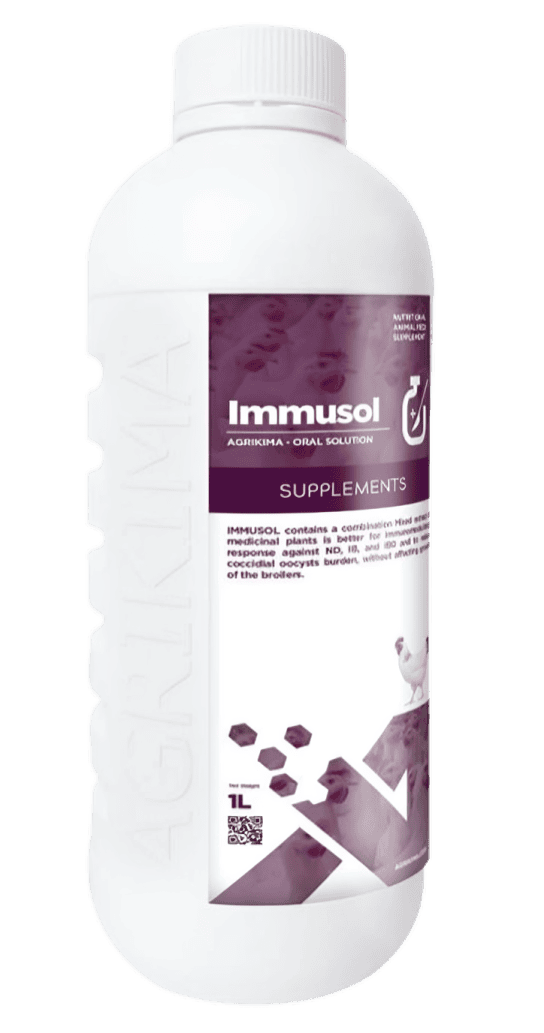
Incorporating NSP enzymes into livestock feed is a proven way to enhance feed digestibility and improve overall animal performance. With the right implementation strategies, farmers can not only increase the efficiency of their feed but also promote better health and productivity in their livestock. Consider integrating high-quality veterinary products and supplements from Agrikima to support your feeding strategies and ensure optimal animal health.
Your message to the team
Sources: Read More
- Enzymes in Poultry Nutrition — Food and Agriculture Organization of the United Nations
- Non-Starch Polysaccharide-Degrading Enzymes in Swine Diets — Purdue University Extension
- Feed Enzymes: A Tool for Improving Nutrient Utilization in Livestock — Iowa State University Extension and Outreach
- Enzyme Supplementation in Poultry Diets: A Review — Poultry Science Journal
- The Role of Phytase in Animal Nutrition — National Center for Biotechnology Information
- Enzyme Use in Animal Feeds: Benefits and Considerations — Penn State Extension