Enhancing Goat Fertility and Kidding Rates
Understanding Goat Fertility Management
Goat fertility management is crucial for farmers who want to enhance the productivity of their herds. Effective strategies can significantly boost the kidding rates, which refers to the number of kids born per doe. This not only increases the number of goats on the farm but also improves overall herd health and productivity.
Key Factors Influencing Goat Fertility
- Nutrition: Proper nutrition is vital for optimal reproductive performance. Goats require a balanced diet rich in energy, protein, vitamins, and minerals. This helps maintain their body condition and promotes successful breeding.
- Health Management: Regular health checks and vaccinations are essential to prevent diseases that could affect reproduction. Keeping goats healthy contributes to higher fertility rates.
- Breeding Practices: Implementing structured breeding programs allows for better control over mating cycles and increases the chances of successful pregnancies.
Improving Kidding Rates
To improve the kidding rate, farmers should focus on several aspects:
1. Controlled Breeding
Controlled breeding is an effective method to synchronize the estrus cycles of does, leading to more efficient mating. This practice helps in better planning and management of kidding seasons, ensuring that the majority of does give birth around the same time. Implementing artificial insemination can also enhance genetic diversity and productivity in the herd.
2. Optimal Body Condition Score
Maintaining optimal body condition scores (BCS) in does is crucial. A BCS between 2.5 and 3.5 is ideal for breeding does. Underweight or overweight goats can experience reproductive issues. Regularly assess the body condition of your goats and adjust their feed accordingly to ensure they are in the best shape for breeding.
3. Proper Estrus Detection
Recognizing signs of estrus (heat) in does is vital for successful breeding. Look for behavioral changes such as increased vocalization, restlessness, and a willingness to stand for mounting. Utilizing heat detection aids can enhance success rates in breeding.
Nutrition for Breeding Success
Nutrition plays a significant role in enhancing goat fertility management. Here are some practical tips to ensure your goats receive the nutrients they need:
1. Balanced Diet
Provide a well-balanced diet that includes high-quality forage, grains, and supplements. Essential nutrients like calcium, phosphorus, and trace minerals are critical for reproductive health.
2. Quality Supplements
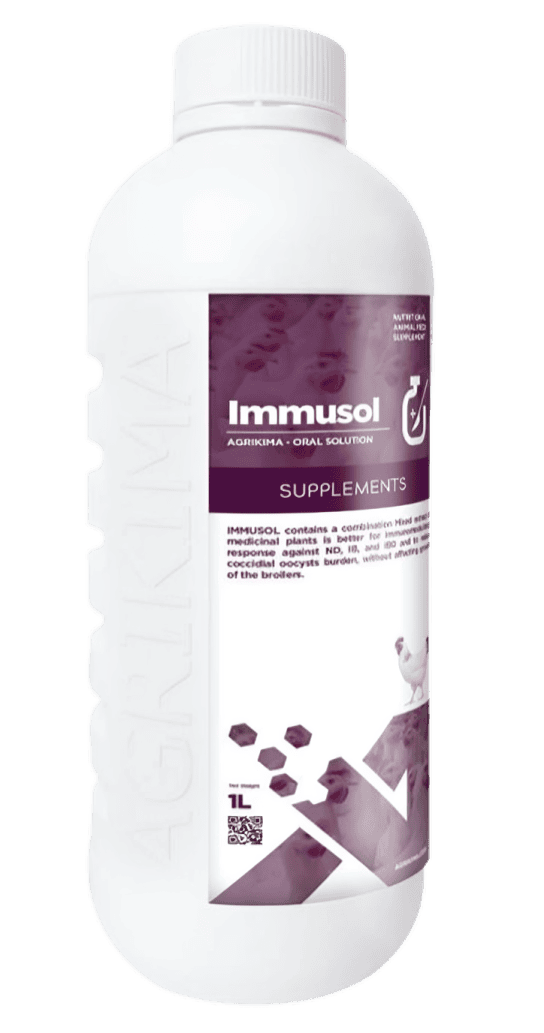
Using supplements specifically designed for breeding goats can help improve fertility. Agrikima offers a range of natural animal health solutions and feed additives that enhance overall health and reproductive performance.
3. Management of Pregnant Does
For does that are pregnant, ensure they receive extra nutrition to support fetal growth. Monitor their health closely, and consider providing a mineral lick that contains essential vitamins and minerals to support both the doe and her kids.
Health Management Practices
1. Vaccination and Deworming
Regular vaccinations and an effective deworming schedule are essential for maintaining the health of your goats. Diseases can severely impact reproductive rates, so ensuring that your herd is healthy is paramount.
2. Stress Management
Minimize stress in your goats as it can negatively affect their reproductive performance. Ensure they have a comfortable living environment, adequate space, and access to clean water at all times.
Conclusion
Improving goat fertility management and kidding rates requires a comprehensive approach that includes proper nutrition, health management, and controlled breeding practices. By implementing these strategies, farmers can ensure healthier goats and a more productive herd. Agrikima's veterinary products and supplements can further support these efforts, helping farmers achieve their goals in goat farming.
Your message to the team
Sources: Read More
- Goat Reproduction Management — Purdue University Extension
- Goat Reproduction — Food and Agriculture Organization (FAO)
- Goat Breeding Management — University of Arkansas Cooperative Extension Service
- Reproductive Management of Goats — Louisiana State University Agricultural Center
- Goat Reproduction and Breeding — Cornell University Department of Animal Science
- Goat Reproduction and Breeding Management — Alabama Cooperative Extension System