Enhancing Pork Value Addition: Sausages and Bacon
Introduction to Pork Value Addition
Pork value addition is an essential strategy for smallholder farmers wanting to increase their profitability and diversify their income streams. By transforming fresh pork into value-added products like sausages and bacon, farmers can access niche markets and cater to consumer demand for processed pork, which tends to have a longer shelf life and higher profit margins.
Why Focus on Sausages?
Sausage making offers smallholders an opportunity to utilize less desirable cuts of pork, effectively reducing waste while creating products that appeal to a wide range of customers. This method not only enhances profitability but also allows farmers to produce a variety of sausage types, catering to local tastes and preferences.
Benefits of Sausage Making
- Utilization of All Cuts: Sausages can be made from various pork cuts that might otherwise go unsold, thereby maximizing the use of the animal.
- Customization: Farmers can create unique flavor profiles tailored to local preferences, making their products stand out.
- Value Addition: Processed sausages command higher prices than fresh cuts, boosting overall profitability.
Getting Started with Pork Sausage Making
To begin making sausages, smallholder farmers should follow these basic steps:
- Equipment: Invest in quality equipment such as grinders, stuffers, and casings. Proper tools are crucial for achieving consistent product quality.
- Quality Ingredients: Use high-quality pork and spices. The flavor and safety of the sausage heavily depend on the quality of the ingredients used.
- Safety Standards: Follow hygiene and safety protocols to prevent contamination. Regularly clean equipment and maintain proper storage temperatures.
Exploring Bacon Curing Techniques
Bacon is another popular processed pork product that smallholders can produce. Proper curing methods are essential to ensure the product is safe, flavorful, and has a good shelf life.
Key Bacon Curing Techniques
- Dry Curing: This method involves rubbing the pork belly with a mixture of salt and other flavorings. It is then left to cure for several days, allowing the flavors to penetrate the meat.
- Wet Curing: In this technique, the pork belly is soaked in a brine solution, which can include sugar and spices. This method can enhance moisture retention and flavor.
- Smoking: After curing, bacon can be smoked to impart additional flavor. This can be done using various wood types for different flavor profiles.
Market Opportunities for Processed Pork
Engaging in processed pork production, such as making sausages and bacon, allows smallholder farmers to tap into higher-value markets. Consumers are increasingly interested in locally sourced, high-quality meat products. By producing sausages and bacon, farmers can cater to these demands while enhancing their market presence.
Marketing Your Products
- Local Farmers Markets: Selling at farmers' markets helps build a loyal customer base and allows for direct feedback on product preferences.
- Online Sales: Consider setting up an online store to reach a broader audience. Social media can be a powerful tool for promoting your products.
- Partnerships: Collaborate with local restaurants and butcher shops to create demand for your processed pork products.
Quality Control and Compliance
Maintaining high standards of quality and compliance with food safety regulations is critical in processed pork production. Smallholder farmers should familiarize themselves with local regulations regarding meat processing to ensure their products are safe and meet consumer expectations.
Essential Tips for Quality Control
- Regular Testing: Conduct regular quality checks on your products to ensure they meet safety and quality standards.
- Hygiene Practices: Implement strict hygiene practices in your production area to minimize contamination risks.
- Training: Ensure that anyone involved in the sausage and bacon production process is trained in food safety and quality control measures.
Conclusion
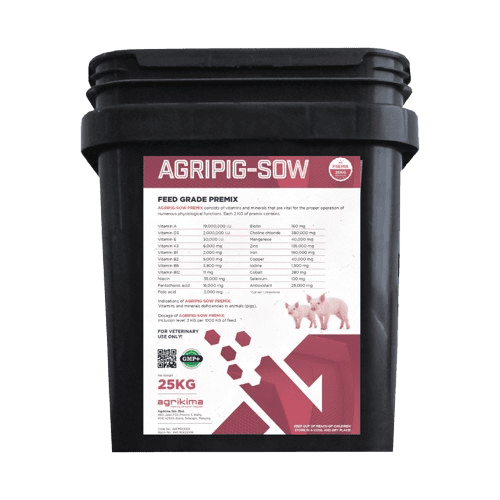
Smallholder pork value addition through sausage and bacon production offers an exciting opportunity to enhance profitability, reduce waste, and meet consumer demand for high-quality processed products. By investing in quality ingredients, mastering production techniques, and adhering to food safety standards, farmers can successfully tap into this lucrative market. Additionally, utilizing quality veterinary products and supplements can further support the health and growth of pigs, ensuring a consistent supply of quality pork for processing.
Your message to the team
Sources: Read More
- Adding Value to Pork: Sausage and Bacon Production — Purdue University Extension
- Small-Scale Sausage Production — Food and Agriculture Organization (FAO)
- Bacon Curing Techniques for Small-Scale Producers — Iowa State University Extension and Outreach
- Processed Pork Products: Opportunities for Smallholders — Agrilinks
- Guidelines for Sausage and Bacon Production in Small-Scale Operations — Department of Agriculture, Forestry and Fisheries, South Africa