Enzootic Pneumonia in Growers: The Dry Cough Dilemma
Understanding Enzootic Pneumonia in Pigs
Enzootic pneumonia is a common respiratory disease in pigs, primarily caused by Mycoplasma hyopneumoniae. This condition is particularly concerning in growing pigs, often leading to a persistent dry cough and impaired growth rates. Farmers need to be aware of the signs and symptoms to effectively manage this disease in their herds.
Signs and Symptoms of Enzootic Pneumonia
One of the hallmark signs of enzootic pneumonia in pigs is the characteristic dry cough. This cough is usually non-productive and may not be accompanied by other obvious respiratory distress signals. As the disease progresses, affected pigs may exhibit:
- Persistent dry cough
- Reduced growth rates
- Decreased feed intake
- Potential secondary infections due to compromised respiratory function
Recognizing these symptoms early can make a significant difference in management strategies and overall herd health.
The Impact of Enzootic Pneumonia on Growth
The presence of Mycoplasma hyopneumoniae in a pig herd can quietly slow growth, leading to economic losses for farmers. The persistent coughing and reduced feed efficiency directly impact the growth rate of affected pigs, making it essential for farmers to monitor their herds closely. Studies indicate that farms with poor management practices, such as inadequate housing or sourcing from sales barns, often experience more severe outbreaks of enzootic pneumonia, leading to further health complications and financial setbacks for growers.
Why Early Detection is Crucial
Timely detection of enzootic pneumonia can help farmers implement effective control measures before the disease spreads widely through the herd. Regular health checks and monitoring for coughing pigs can facilitate early intervention, potentially saving both time and resources. A clinical examination can offer insights into the respiratory health of the herd and help in diagnosing the problem.
Management and Control Strategies
Effective management of enzootic pneumonia in pigs involves several strategic approaches:
- Vaccination: Implementing a vaccination program can help reduce the incidence of mycoplasmal infections. Vaccines targeting Mycoplasma hyopneumoniae are available and can significantly mitigate disease severity in herds.
- Improving Housing Conditions: Ensuring proper ventilation and reducing overcrowding can help prevent the spread of respiratory diseases. Clean, dry, and well-ventilated housing is essential for maintaining pig health.
- Biosecurity Measures: Implementing strict biosecurity protocols can prevent the introduction and spread of pathogens within a herd. This includes controlling farm access and regularly disinfecting equipment and vehicles.
- Medication: In cases of severe infection, medication may be required to manage symptoms and prevent secondary infections. Consulting with a veterinarian for the appropriate treatment plan is advisable.
Utilizing Veterinary Products
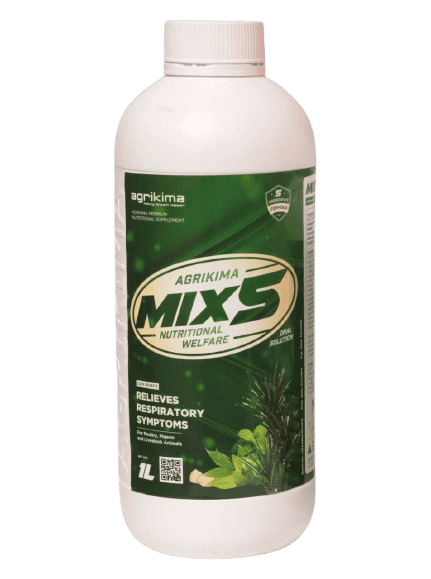
Quality veterinary products, including natural supplements and feed additives, can support the overall health and immunity of pigs, making them less susceptible to diseases like enzootic pneumonia. Agrikima offers a range of solutions tailored for pig health that can complement your management strategies.
Preventing Secondary Infections
In addition to managing enzootic pneumonia, it’s crucial to watch for signs of secondary infections. The compromised respiratory system in affected pigs can lead to more severe conditions, such as pneumonia caused by other pathogens. Monitoring for additional symptoms and treating promptly can prevent further complications.
Conclusion
Enzootic pneumonia in pigs poses a significant challenge for growers, often going unnoticed until it impacts growth and overall herd health. By recognizing the signs, implementing effective management strategies, and utilizing quality veterinary products, farmers can mitigate the effects of this disease. Remember, early detection and proactive management are key to maintaining a healthy and productive herd.
Your message to the team
Sources: Read More
- Enzootic Pneumonia in Pigs - Merck Veterinary Manual — Merck Veterinary Manual
- A system response to an outbreak of enzootic pneumonia in grow/finish pigs — Canadian Veterinary Journal / PMC
- Value of the clinical examination in diagnosing enzootic pneumonia in fattening pigs — The Veterinary Journal
- Molecular detection of respiratory coinfections in pig herds with enzootic pneumonia: a survey in Brazil — Journal of Veterinary Diagnostic Investigation
- Enzootic pneumonia in feeder pigs: Observations on causal factors — Canadian Journal of Veterinary Research / PMC
- HERD HEALTH – Mycoplasmal Pneumonia and Other Mycoplasmal Diseases of Swine — Michigan State University Cooperative Extension Service