How to Extend Lactation Length in Dairy Cows

Understanding Lactation in Dairy Cows
Lactation is a critical phase in dairy cows' lives, affecting both their productivity and health. High-producing dairy cows often face challenges that can shorten their lactation periods, leading to decreased milk yield and increased health risks. In this article, we will explore effective strategies to extend lactation length in dairy cows, ensuring better energy balance and persistent lactation.
Importance of Extended Lactation
Extending the lactation period can significantly benefit dairy farmers by improving milk yield and quality while reducing the frequency of calving events. According to research, extending lactation length can decrease the risks associated with calving, leading to healthier cows and improved profitability.
Strategies to Extend Lactation
1. Adjust Milking Frequency
One of the most effective ways to enhance lactation length is by adjusting the milking frequency. Studies show that increasing milking frequency can raise overall lactation yields by 10% to 15%, especially among heifers.
- Consider milking cows three times a day instead of the traditional twice a day.
- Implement equal milking intervals (ideally every 12 hours) to maximize milk production.
2. Optimize Nutrition
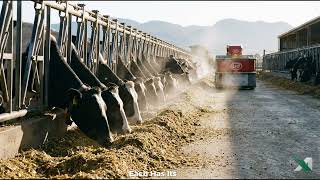
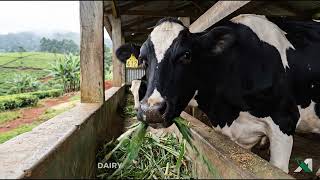
Providing a balanced diet enriched with the right nutrients is crucial for maintaining a positive energy balance in dairy cows. Supplementing diets with fats can increase energy density, supporting higher milk production and better overall health.
- Ensure the diet includes adequate levels of protein, fats, and carbohydrates.
- Utilize high-quality feed additives and supplements to enhance nutrient absorption.
3. Control Cow Energy Balance
Maintaining a favorable energy balance is essential for extending lactation. Cows that are in a negative energy balance may experience reduced milk production and health issues. To manage energy balance effectively:
- Monitor body condition scores regularly.
- Implement feeding strategies that align with the cows' energy needs during lactation.
4. Implement Proper Milking Practices
Milking practices impact both milk yield and udder health. Proper milking techniques can lead to better lactation persistency. Ensure:
- Milking equipment is clean and well-maintained to prevent infections.
- Regularly check for signs of mastitis and other health issues.
5. Timing of Calving
Calving season can influence lactation persistency. Cows that calve in winter tend to exhibit better lactation persistency. Consider planning calving schedules to align with favorable environmental conditions.
6. Use of Veterinary Products
Investing in quality veterinary products and supplements can help maintain cow health and improve lactation outcomes. Products that support udder health and overall well-being can play a significant role in extending lactation.
Conclusion
In conclusion, extending lactation length in high-producing dairy cows involves a combination of strategies focused on milking frequency, nutrition, energy balance, and proper milking practices. By implementing these practices, dairy farmers can achieve better milk production, enhance cow health, and improve overall farm profitability. Quality veterinary products and supplements from Agrikima can further support these efforts, ensuring a successful dairy operation.
Your message to the team
Sources: Read More
- Extended lactation in dairy cows: effects of milking frequency, calving season and nutrition on lactation persistency and milk quality — FAO AGRIS
- Consequences of Lactation Length Management for Health and Fertility in Dairy Cows — FAO AGRIS
- Review: extended lactation in dairy cattle — FAO AGRIS
- Milking, milk production hygiene and udder health — Food and Agriculture Organization of the United Nations (FAO)
- EXTENDED CALVING INTERVALS WITH USE OF BST - CORNELL UNIVERSITY — National Institute of Food and Agriculture (NIFA)
- Feeding Fat, in Moderation, to Dairy Cows – DAIReXNET — DAIReXNET