Farming Black Soldier Fly Larvae for Sustainable Feed
Introduction to Black Soldier Fly Larvae Farming
As global demand for sustainable animal feed rises, black soldier fly larvae (BSF larvae) farming emerges as a viable solution. These larvae are not only rich in protein but also play a crucial role in waste management. By converting organic waste into high-quality insect protein feed, they offer an innovative way to support livestock nutrition.
Benefits of Black Soldier Fly Larvae Feed
Black soldier fly larvae provide numerous advantages for farmers:
- Nutritional Value: BSF larvae contain between 35% to 45% protein, making them an excellent alternative protein source for various livestock.
- Efficient Feed Conversion: These larvae have a feed conversion ratio comparable to traditional livestock, indicating their effectiveness in utilizing nutrients.
- Waste Reduction: BSF larvae can consume organic waste, helping to reduce on-farm waste while producing valuable protein.
- Environmental Benefits: By converting waste into feed, BSF farming contributes to a more sustainable agricultural system.
Setting Up Your Black Soldier Fly Larvae Farm
Starting a BSF larvae farm requires careful planning and execution. Here are essential steps to set up your operation:
1. Choose the Right Location
Ensure that the location is well-ventilated and has access to organic waste materials. The area should be protected from extreme weather conditions to maintain optimal growth of the larvae.
2. Select Suitable Substrates
BSF larvae thrive on various agro-industrial by-products, such as:
- Food waste
- Crop residues
- Animal manure
Using a combination of these materials can improve the nutritional profile of the larvae. For instance, soybean curd residue has been found to be an excellent feed substrate.
3. Maintain Optimal Feeding Rates
It's crucial to establish optimal feeding rates for your larvae. Daily feeding rates of about 100 mg per larva are recommended for maximizing growth and biomass production. Monitoring larval density and substrate type will also help in achieving better growth rates.
Managing Larvae Growth
Effective management practices are essential for successful BSF larvae farming. Here are some tips:
1. Monitor Environmental Conditions
Keep track of temperature and humidity levels in your farming area. BSF larvae prefer warm environments (around 25-30°C) and require high humidity for optimal growth.
2. Ensure Proper Aeration
Aeration significantly impacts the growth and productivity of BSF larvae. Adjust aeration rates depending on the substrate and larval density to ensure adequate oxygen supply.
3. Regularly Assess Nutritional Composition
Regular assessments of the larvae’s nutritional composition can help you adjust feeding strategies and improve overall feed quality. Proper quality control ensures that the larvae meet the dietary needs of your livestock.
Harvesting and Using Black Soldier Fly Larvae Feed
Once the larvae reach maturity, it’s time to harvest:
- Harvesting: Use sieves to separate the larvae from the substrate. Ensure that the larvae are healthy and free from contaminants.
- Processing: Depending on your feeding strategy, you may choose to process the larvae into meal or feed them whole.
- Storage: Proper storage methods are crucial to maintain the quality of the larvae. Store them in a cool, dry place or freeze them for longer shelf life.
Integrating BSF Larvae Feed into Livestock Diets
Incorporating BSF larvae feed into your livestock's diet can significantly enhance their nutritional intake. Here are some integration strategies:
- Gradual Introduction: Introduce BSF larvae feed gradually into the diets of your livestock to prevent digestive issues.
- Balanced Rations: Ensure that the overall diet remains balanced by combining BSF larvae feed with other feed ingredients.
- Monitor Livestock Health: Regularly monitor your animals for any changes in health or performance after introducing BSF larvae feed.
Conclusion
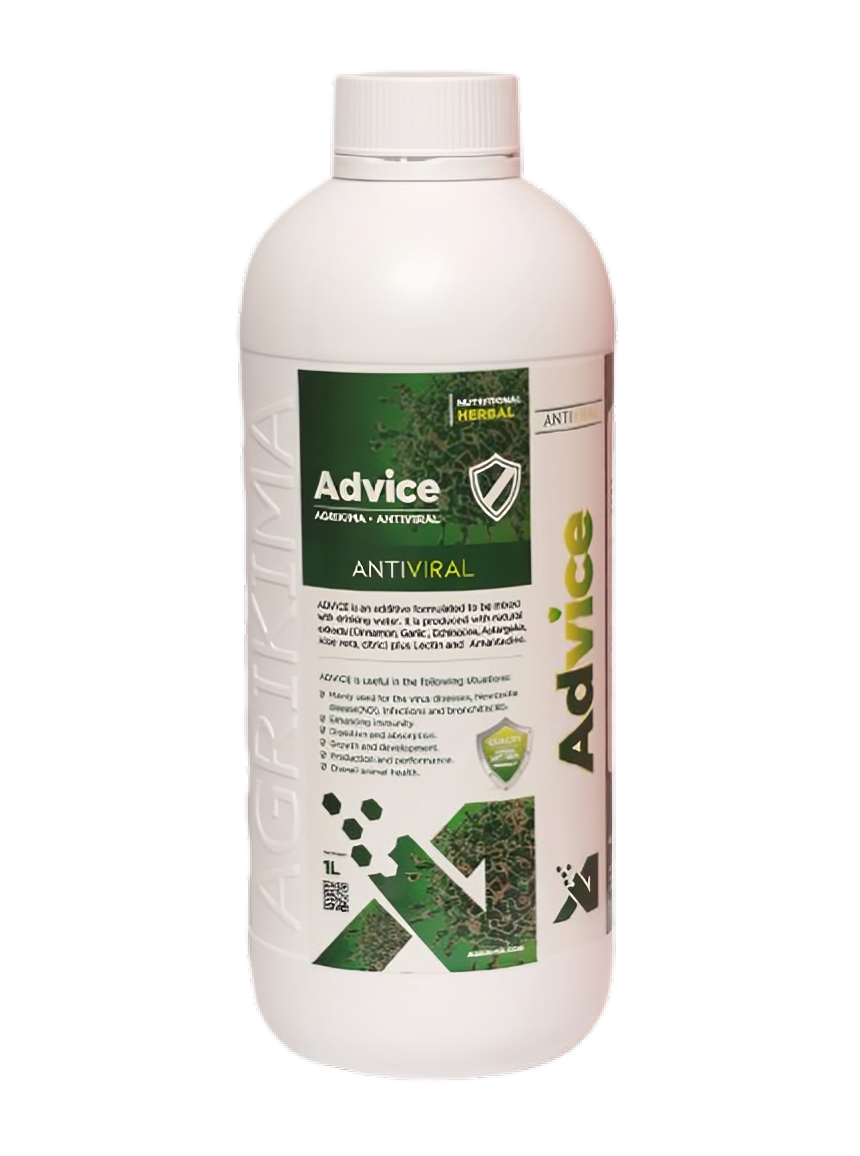
Farming black soldier fly larvae for animal feed presents a sustainable opportunity for livestock producers. With their high protein content and ability to convert organic waste into valuable feed, BSF larvae farming can enhance animal nutrition while promoting environmental sustainability. As you embark on this innovative farming journey, consider integrating quality veterinary products and supplements from Agrikima to ensure the health and productivity of your livestock.
Your message to the team
Sources: Read More
- Nutritional composition of black soldier fly larvae feeding on agro‐industrial by‐products — Wiley Online Library
- Growth efficiency, intestinal biology, and nutrient utilization and requirements of black soldier fly (Hermetia illucens) larvae compared to monogastric livestock species: a review — Springer Nature
- Black Soldier Fly Larvae Influence Internal and Substrate Bacterial Community Composition Depending on Substrate Type and Larval Density — Applied and Environmental Microbiology
- Conversion of organic material by black soldier fly larvae: establishing optimal feeding rates — Waste Management & Research
- Effects of aeration rate and feed on growth, productivity and nutrient composition of black soldier fly (Hermetia illucens L.) larvae — Journal of Asia-Pacific Entomology