Fattening Sheep for the Eid and Festive Market
Introduction
As the festive season approaches, especially Eid, fattening sheep for the market becomes a significant endeavor for farmers. With the increasing demand for quality meat during this time, understanding effective sheep fattening practices can lead to better profits and healthier animals.
Understanding the Fattening Process
The process of fattening sheep involves providing a balanced diet that promotes rapid weight gain while ensuring the overall health of the animals. This is particularly important as markets see a surge in demand for quality sheep meat around Eid.
Key Factors for Successful Fattening
- Age and Breed: Select sheep that are appropriate for fattening, generally rams aged between 6 to 12 months are ideal.
- Weight Goals: Target a weight increase of about 20 to 40 kg, as sheep should ideally be at least 50 kg at the time of sale for the Eid market.
- Health Monitoring: Regular health checks and vaccinations ensure that sheep remain healthy and free from diseases that could hinder growth.
Preparing Sheep for Fattening
Before starting the fattening program, it’s crucial to prepare the sheep properly. This includes:
- Assessing the current health and weight of the sheep.
- Providing adequate shelter and space to minimize stress, as stress can affect weight gain.
- Gradually acclimatizing sheep to a new diet to avoid digestive issues.
Feeding Strategies
A well-structured sheep fattening ration is vital. Here are some recommended strategies:
- Starter Ration: Begin with a ration that contains a high proportion of hay and fibrous materials to promote rumen health.
- Concentrate Mixture: Incorporate a concentrate mixture that is rich in energy and protein to enhance weight gain. This should include grains, legumes, and protein supplements.
- Gradual Changes: Introduce new feed gradually over two to three weeks to prevent digestive upsets.
Optimal Feeding Practices
To achieve the best results in sheep fattening, consider the following feeding practices:
- Frequent Feeding: Offer smaller, more frequent meals to maximize feed intake and digestion efficiency.
- Water Availability: Ensure that fresh, clean water is always available, as hydration is crucial for digestion and overall health.
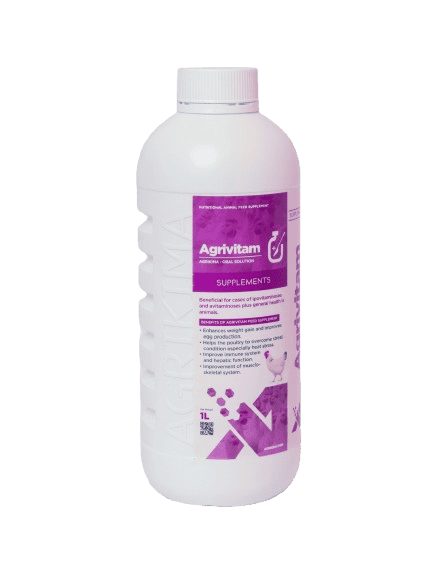
- Supplement Use: Utilize quality veterinary products and supplements to enhance the nutritional value of the feed and support growth.
Monitoring Progress
Regularly monitor the growth and health of the sheep throughout the fattening period. Key indicators to track include:
- Weekly weight checks to ensure the sheep are gaining weight as expected.
- Body condition scoring to assess fat cover, aiming for a backfat thickness of approximately 0.23 to 0.46 cm before slaughter.
- Observing sheep for signs of stress or illness that may inhibit weight gain.
Timing for Eid Market
Ideally, fattening operations should ramp up 2 to 4 months before Eid Al-Adha, aligning with market demand. This allows farmers to achieve the desired weight and condition for their sheep in time for selling.
Conclusion
Fattening sheep for the Eid market can be a profitable venture when approached with the right knowledge and practices. By focusing on a balanced sheep fattening ration, monitoring health, and ensuring proper feeding strategies, farmers can maximize their returns during this festive season. Remember, utilizing quality veterinary products can greatly assist in achieving optimal growth and health throughout the fattening process.
Your message to the team
Sources: Read More
- The Landless Livestock Ruminant Production Systems — Food and Agriculture Organization (FAO)
- Intensive sheep production in the Near East — Food and Agriculture Organization (FAO)
- Sheep Auction Reports — United States Department of Agriculture (USDA)
- Slaughter Weight - an overview — ScienceDirect
- National Sheep Summary — United States Department of Agriculture (USDA)