Essential Guide to Feed Mill Equipment Maintenance
Importance of Feed Mill Equipment Maintenance
Maintaining feed mill equipment is crucial for ensuring efficient feed production and minimizing unexpected breakdowns. Regular maintenance not only extends the life of your machinery but also improves the quality of the feed produced. In this guide, we will discuss the essential practices for calibrating and maintaining your feed milling equipment, specifically focusing on hammer mill calibration, general feed machinery upkeep, and establishing a feed mill maintenance schedule.
Calibrating Your Hammer Mill
The hammer mill is one of the most critical components in a feed mill, responsible for grinding raw materials into the desired particle sizes. Proper calibration is essential to achieve optimal performance and longevity of the equipment.
Steps for Hammer Mill Calibration
- Check Screen Size: Ensure that the screen size is appropriate for the type of feed being processed. Different feeds require different screen sizes for effective grinding.
- Adjust Hammer Position: Regularly inspect and adjust the hammer position to ensure consistency in particle size. Hammers that are worn or improperly positioned can lead to uneven grinding.
- Monitor RPM: Maintain the recommended RPM of the hammer mill. Operating outside this range can affect both the quality of the feed and the efficiency of the machine.
- Conduct Regular Tests: Perform regular tests on the ground feed to check for particle size consistency. This will help you make necessary adjustments promptly.
According to the Hammer Mill Maintenance Guide by Kansas State University, proper calibration can significantly enhance milling efficiency and feed quality.
Feed Machinery Upkeep
Regular upkeep of feed machinery goes beyond just the hammer mill. It encompasses all equipment used in the feed milling process.
Best Practices for Equipment Upkeep
- Daily Inspections: Conduct daily visual inspections of all machinery. Look for signs of wear and tear, leaks, or any unusual noises that could indicate a problem.
- Lubrication: Ensure all moving parts are adequately lubricated according to the manufacturer’s recommendations. This reduces friction and wear, extending the life of your equipment.
- Cleaning: Regularly clean equipment to prevent buildup of feed residues, which can lead to contamination and equipment malfunction.
- Replace Worn Parts: Promptly replace any worn parts, such as bearings and belts, to avoid further damage to the machinery.
Implementing a structured maintenance routine can help prevent costly repairs and downtime, ultimately enhancing productivity and feed quality.
Establishing a Feed Mill Maintenance Schedule
A well-planned maintenance schedule is vital for the smooth operation of your feed mill. It should include routine checks and preventive measures to mitigate potential issues before they escalate.
Creating Your Maintenance Schedule
- Weekly Tasks: Include checks for hammer mill calibration, lubrication of moving parts, and cleaning of equipment.
- Monthly Tasks: Conduct a thorough inspection of all equipment, including belts, gears, and electrical systems.
- Quarterly Tasks: Review and replace any components that show significant wear and tear, and perform a complete cleaning of the facility.
- Annual Tasks: Schedule comprehensive audits of all machinery, including professional assessments and maintenance to ensure compliance with safety standards.
According to the Preventive Maintenance in Feed Manufacturing by Iowa State University, establishing a routine maintenance schedule can greatly enhance the efficiency of your feed mill operations.
Conclusion
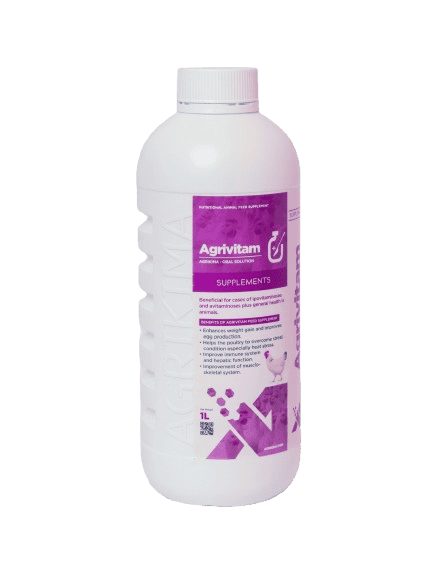
Calibrating and maintaining your feed milling equipment is essential for operational efficiency and high-quality feed production. By adhering to the practices outlined in this guide, including proper hammer mill calibration, regular machinery upkeep, and a structured maintenance schedule, you can significantly reduce downtime and improve the longevity of your equipment. Quality veterinary products and supplements can also play a crucial role in supporting the health of your livestock, ensuring they thrive on the feed produced in your mill.
Your message to the team
Sources: Read More
- Feed Mill Maintenance: Key to Efficient Feed Production — Purdue University Extension
- Hammer Mill Maintenance Guide — Kansas State University
- Feed Mill Management and Maintenance — Food and Agriculture Organization (FAO)
- Preventive Maintenance in Feed Manufacturing — Iowa State University Extension and Outreach
- Feed Mill Equipment Maintenance: Best Practices — National Hog Farmer