Essential Guide to Feed Mill Scale Calibration
Introduction
In the world of feed production, accuracy is paramount. Calibrating and maintaining weighing scales in a feed mill is essential to ensure that feed formulations are correct, which directly impacts animal health and farm profitability. This guide will walk you through the importance of feed mill scale calibration, effective maintenance practices, and how to avoid common feed weighing errors.
Why is Feed Mill Scale Calibration Important?
Regular calibration of feed mill scales is crucial for multiple reasons:
- Ensures accurate feed formulation: Inaccurate scales can result in improper ingredient ratios, affecting the nutritional balance of the feed and ultimately animal performance.
- Prevents feed weighing errors: Regular calibration minimizes the risk of discrepancies in weight measurements, which can lead to financial losses and regulatory compliance issues.
- Optimizes production efficiency: A well-calibrated scale allows for precise batching, reducing waste and ensuring a consistent product quality.
Steps for Calibrating Weighing Scales
1. Choose the Right Calibration Weights
Start by selecting calibration weights that are certified and traceable to a national standard. This ensures that your calibration is accurate. It's advisable to use weights that are close to the scales' maximum capacity for the most reliable results.
2. Perform Regular Calibration
Establish a routine calibration schedule based on the frequency of scale use and environmental conditions. Generally, scales should be calibrated at least once every six months, but high-usage scales may require more frequent checks.
3. Follow Manufacturer Guidelines
Refer to the manufacturer’s manual for specific calibration procedures. Many modern scales come with built-in calibration functions that simplify the process. Adhering to these guidelines ensures optimal performance and longevity of the equipment.
4. Document Calibration Results
Maintain detailed records of all calibration activities, including dates, weights used, and results. This documentation can be crucial for compliance with regulatory standards and for identifying patterns that may indicate equipment issues.
Best Practices for Maintaining Weighing Scales
1. Keep Scales Clean
Regular cleaning of the scales is essential to prevent dust and debris from affecting accuracy. Use appropriate cleaning solutions recommended by the manufacturer to maintain the integrity of the weighing surface.
2. Check for Mechanical Issues
Regularly inspect the scale for any mechanical issues, such as loose parts or damaged components. These can lead to inaccuracies in weight measurements. Immediate repairs or replacements should be made as needed.
3. Monitor Environmental Conditions
Environmental factors such as temperature and humidity can affect the performance of weighing scales. Ensure that scales are located in stable conditions away from direct sunlight and moisture to maintain accuracy.
4. Train Staff on Proper Use
Ensure that all staff members are properly trained on how to use the scales correctly. This includes understanding how to zero the scale properly and how to handle weights to avoid damaging the equipment.
Common Feed Weighing Errors and How to Avoid Them
- Overloading the Scale: Always ensure that the weight being measured does not exceed the scale’s capacity. Overloading can lead to permanent damage and inaccurate readings.
- Improper Zeroing: Always zero the scale before taking a measurement to ensure accuracy. Failure to do so can lead to systematic errors.
- Not Accounting for Environmental Influences: As mentioned earlier, factors like humidity can significantly affect scale performance. Make adjustments as necessary to account for these variables.
Conclusion
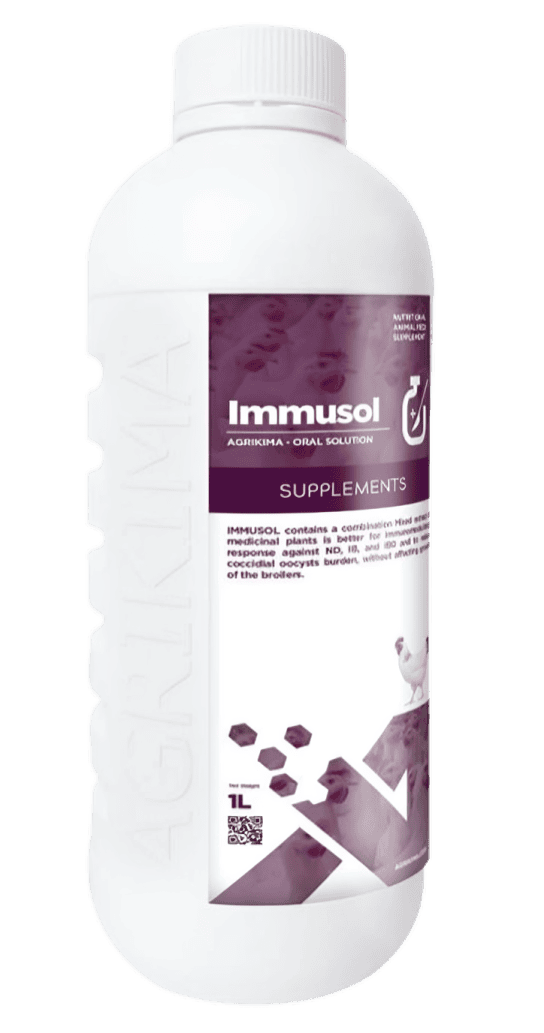
Calibrating and maintaining weighing scales in a feed mill is not just a best practice; it is a necessity for ensuring accurate feed formulation and maintaining animal health. By following the steps outlined above, feed mill operators can reduce errors, optimize production, and ultimately enhance their profitability. Moreover, incorporating quality veterinary products and supplements can support overall animal health, further contributing to a successful feed milling operation.
Your message to the team
Sources: Read More
- Calibration and Maintenance of Weighing Scales in Feed Mills — Purdue University Extension
- Feed Mill Management: Weighing and Batching Systems — Food and Agriculture Organization (FAO)
- Ensuring Accuracy in Feed Mill Weighing Systems — Iowa State University Extension and Outreach
- Maintenance and Calibration of Batching Scales in Feed Manufacturing — Kansas State University Agricultural Experiment Station and Cooperative Extension Service
- Feed Mill Operations: Importance of Scale Calibration — North Carolina State University Extension