Feed Mill Worker Safety and PPE Essentials
Understanding Feed Mill Worker Safety
Feed mills are vital to the agricultural sector, providing essential nutrition to livestock. However, they can also pose various safety risks to workers. Ensuring feed mill worker safety requires adherence to strict protocols and the use of appropriate personal protective equipment (PPE).
The Importance of Personal Protective Equipment (PPE)
Personal protective equipment is crucial in protecting feed mill workers from various hazards. The Occupational Safety and Health Administration (OSHA) emphasizes the need for employers to provide suitable PPE to safeguard against respiratory hazards and other occupational risks related to feed milling.
Types of PPE for Feed Mill Workers
- Gloves: Protect hands from sharp edges and chemical exposure.
- Goggles: Shield eyes from dust and chemical splashes.
- Respirators: Prevent inhalation of harmful dust and fumes.
- Ear Protection: Essential in noisy environments to prevent hearing loss.
- Protective Clothing: Prevent skin contact with harmful substances and protect against potential burns.
Machine Guarding: A Key Safety Measure
Effective machine guarding is essential in feed mills to prevent worker injuries from moving parts and machinery. Properly designed guards can significantly reduce the risk of accidents. Machine guarding should be regularly inspected and maintained to ensure it is functioning correctly.
Implementing Machine Guarding
- Identify Hazards: Conduct a thorough assessment to identify machines that require guarding.
- Choose Appropriate Guards: Select guards that prevent access to hazardous areas while allowing safe operation.
- Regular Maintenance: Schedule regular checks to ensure guards are in place and functioning properly.
Creating a Safety Culture at the Feed Mill
Establishing a safety culture is vital for maintaining a safe work environment in feed mills. This involves training, open communication, and a commitment to safety from all employees.
Training and Education
- Safety Training: Provide comprehensive training on safety protocols and the proper use of PPE.
- Emergency Procedures: Educate workers on emergency procedures and the location of first aid kits.
- Regular Safety Meetings: Host meetings to discuss safety concerns and updates on best practices.
Health Monitoring and Risk Assessment
Regular health monitoring and risk assessments are crucial for identifying potential hazards and mitigating risks in feed mills. Implementing comprehensive safety programs can significantly reduce the risk of accidents and ensure compliance with occupational health standards.
Conducting Risk Assessments
- Hazard Identification: Regularly review processes to identify new hazards that may arise.
- Risk Evaluation: Assess the level of risk associated with identified hazards and prioritize them for action.
- Control Measures: Implement control measures to eliminate or minimize identified risks.
Conclusion
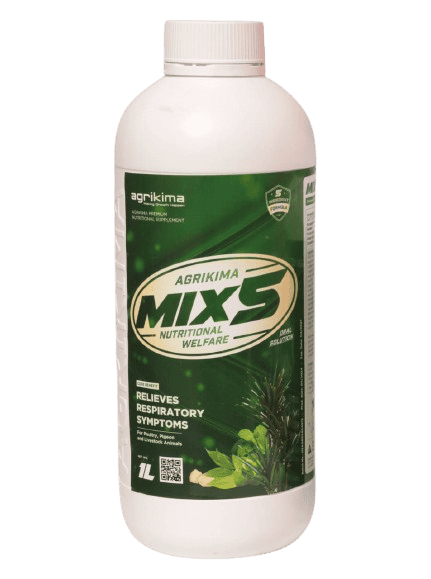
Feed mill worker safety is paramount in creating a safe working environment. By focusing on proper PPE use, machine guarding, and fostering a safety culture, companies can significantly reduce workplace accidents. Additionally, integrating quality veterinary products and supplements can contribute to overall worker and animal health, ensuring a productive and safe operation.
Investing in safety not only protects workers but also enhances the efficiency and reliability of feed production.
Your message to the team
Sources: Read More
- Feed Mill Safety: Guidelines for Safe Operation — Purdue University Extension
- Occupational Safety in Feed Mills — Occupational Safety and Health Administration (OSHA)
- Feed Manufacturing Technology: Safety Considerations — Food and Agriculture Organization (FAO)
- Personal Protective Equipment in Feed Mills — North Dakota State University Extension
- Machine Guarding in Agricultural Settings — National Institute for Occupational Safety and Health (NIOSH)