Mastering Feed Premix Formulation and Vitamin Supplementation
Understanding Feed Premix Formulation
Feed premix formulation is a crucial aspect of animal nutrition that involves combining various feed ingredients and additives to create a balanced diet for livestock, poultry, and dairy animals. This process ensures that animals receive essential nutrients for growth, reproduction, and overall health.
What is a Feed Premix?
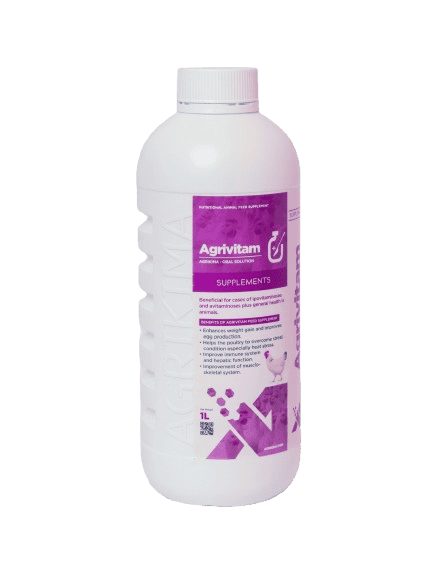
A feed premix is a concentrated blend of vitamins, minerals, and other nutritional additives. It is designed to be mixed with a base feed to enhance its nutritional profile. By using a premix supplier, farmers can access high-quality formulations tailored to their specific animal needs.
Importance of Feed Premix Formulation
- Balanced Nutrition: Formulating a proper feed premix helps to ensure that animals get the right balance of proteins, carbohydrates, fats, vitamins, and minerals.
- Improved Growth Rates: Animals receiving a well-formulated premix show better growth rates and feed efficiency.
- Health Benefits: A balanced diet helps in preventing diseases and enhances the immune response.
- Cost-Effectiveness: Proper formulation can lead to reduced feed costs and improved profitability.
Key Components of Feed Premix Formulation
When formulating a feed premix, several key components need to be considered:
1. Vitamins
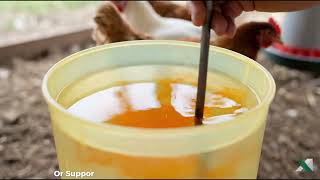
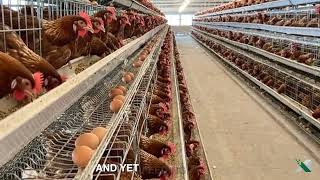
Vitamins are essential for various bodily functions, including metabolism, immune function, and reproduction. For poultry, a vitamin premix can include vitamins A, D, E, and K, while cattle may require specific vitamins depending on their production stage.
2. Minerals
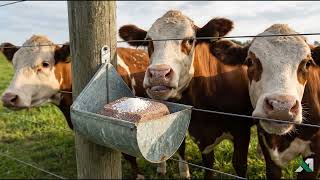
Minerals play a crucial role in bone formation, enzyme function, and overall health. For cattle, a mineral premix should include calcium, phosphorus, and magnesium, among others. Trace minerals like zinc, copper, and selenium are also vital and can be included as a trace mineral supplement.
3. Feed Additives
Feed additives can enhance the digestibility and absorption of nutrients. Common additives include probiotics, enzymes, and organic acids. These can be mixed during the feed additive mixing process to ensure uniform distribution.
4. Protein Sources
Incorporating quality protein sources is essential for muscle development and overall growth. Ingredients like soybean meal, fish meal, and alfalfa can be used depending on the species and production system.
Steps for Effective Feed Premix Formulation
To create an effective feed premix, follow these steps:
Step 1: Assess Nutritional Needs
Determine the specific nutritional requirements of your livestock, poultry, or dairy animals based on their age, production stage, and health status.
Step 2: Select Ingredients
Choose high-quality ingredients that meet the nutritional needs identified in step one. Ensure that the ingredients are sourced from reputable suppliers.
Step 3: Calculate Ratios
Using nutritional software or feed formulation guidelines, calculate the appropriate ratios of each ingredient to achieve a balanced diet. This is where working with a premix supplier can be beneficial, as they can provide expertise and ready-made formulations.
Step 4: Mixing
Once the ingredients are selected and ratios calculated, mix them thoroughly to ensure even distribution. This can be done in a specialized feed mixer for optimal results.
Step 5: Testing and Adjustment
After mixing, it is advisable to test the premix for nutrient composition. Make adjustments as necessary to meet the desired nutritional standards.
Best Practices for Vitamin Supplementation
Vitamin supplementation plays a critical role in animal health and productivity. Here are some best practices:
- Regular Monitoring: Keep track of the health and performance of your animals to assess if vitamin supplementation is adequate.
- Consult Experts: Work with a veterinarian or animal nutritionist to determine the right types and amounts of vitamins required for your specific herd or flock.
- Quality Products: Always use high-quality veterinary products and supplements to ensure efficacy and safety.
- Consider Seasonality: Adjust vitamin supplementation based on seasonal changes, as animals may require more vitamins during certain times of the year.
Conclusion
Feed premix formulation and vitamin supplementation are essential practices in animal husbandry that contribute to the health and productivity of livestock, poultry, and dairy animals. By understanding the components and processes involved, farmers can create balanced diets that meet the nutritional needs of their animals. Utilizing quality veterinary products and working with reputable premix suppliers can further enhance the effectiveness of these formulations, leading to improved animal health and farm profitability.