Feeding Pregnant Ewes and Does for Healthy Twins
Understanding the Nutritional Needs of Pregnant Ewes and Does
Proper nutrition during gestation is crucial for the health of both the mother and her offspring. Pregnant ewes and does require specific dietary adjustments, especially in late gestation, to support the development of healthy twins.
Why Late Gestation Diet Matters
As ewes and does approach the end of their pregnancy, their nutritional requirements increase significantly. This stage is vital for fetal growth and preparing the mother for lactation.
Energy and Protein Requirements
During late gestation, ewes carrying twins need an increased intake of energy and protein to support the rapid growth of their lambs. Studies indicate that inadequate nutrition can lead to low birth weights, weak lambs, and poor colostrum quality. To prevent these issues, farmers should focus on the following:
- Energy-Dense Feeds: Incorporate high-energy feeds such as grains and legumes.
- Protein Supplements: Provide protein-rich supplements to meet the increased demands of the growing fetuses.
Essential Nutrients for Twin Lamb Nutrition
In addition to energy and protein, pregnant ewes also require a balanced diet that includes:
- Vitamins and Minerals: Ensure adequate levels of vitamins A, D, and E, along with essential minerals like calcium and phosphorus.
- Quality Forage: Provide high-quality hay or pasture to promote overall health and digestion.
Feeding Strategies for Pregnant Ewes
Implementing effective feeding strategies is crucial to ensure the health of both the ewes and their twins. Here are some practical tips:
1. Gradual Diet Transition
When changing the diet, do so gradually to avoid digestive issues. Sudden changes can cause stress, which may affect the health of the ewes and their lambs.
2. Monitor Body Condition
Keep an eye on the body condition score (BCS) of your ewes. A healthy BCS is essential for successful lambing and colostrum production. Aim for a BCS of 3-3.5 at lambing.
3. Provide Adequate Water
Access to fresh, clean water is essential. Pregnant ewes need plenty of water to support their increased dietary intake and overall health.
Enhancing Colostrum Quality
Colostrum is the first milk produced by ewes and does, and it is rich in antibodies that are crucial for the survival and health of newborn lambs. Ensuring high-quality colostrum production is a top priority. Here are some tips to enhance colostrum quality:
1. Nutritional Support
Ensure that ewes have a balanced diet rich in energy and protein leading up to lambing. High-quality nutrition directly impacts colostrum quality.
2. Timing of Feeding
Feed ewes adequately in the last few weeks of gestation to maximize colostrum production just before lambing.
3. Supplements for Colostrum Quality
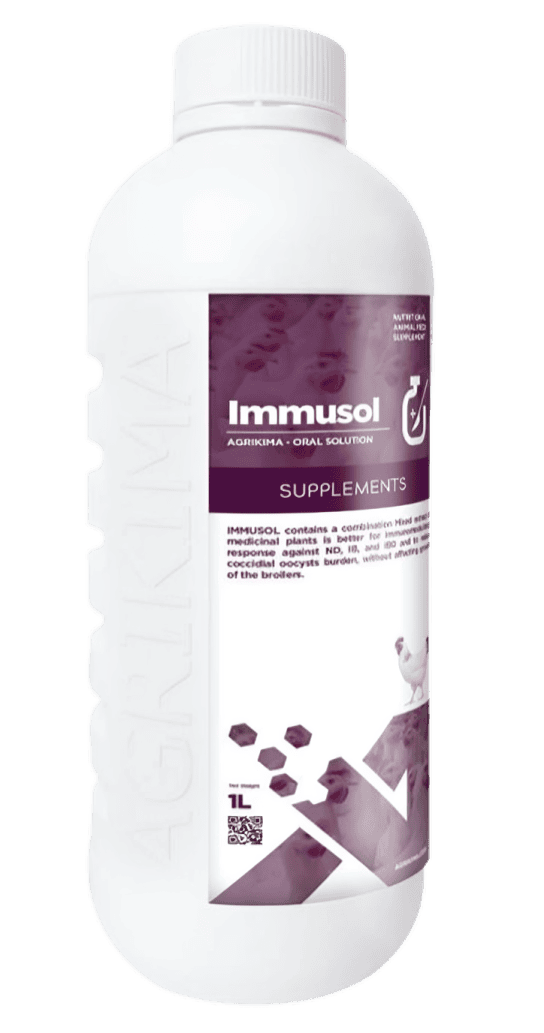
Consider veterinary products that are designed to enhance colostrum quality. These can include specific mineral and vitamin supplements that boost overall health and immune function.
Conclusion
Feeding pregnant ewes and does properly is essential for ensuring healthy twins and high-quality colostrum. Focus on energy and protein intake, provide a balanced diet, and monitor the body condition of your animals to set them up for success during lambing season. By following these guidelines, you can improve the health outcomes for both mothers and their offspring.
Your message to the team
Sources: Read More
- Nutrition for Pregnant Ewes — Penn State Extension
- Feeding the Ewe Flock — Sheep 101
- Nutrition of the Pregnant Ewe — Department of Primary Industries and Regional Development, Western Australia
- Feeding Pregnant Ewes — Teagasc
- Nutrition and Management of Pregnant Ewes — University of Maryland Extension
- Feeding Pregnant Ewes for Healthy Lambs — Farmer's Weekly