Flock Records That Pay: Essential Tracking for Poultry Farms
Introduction
In the poultry farming industry, maintaining accurate poultry farm records is vital for success. It allows farmers to monitor the health and productivity of their flocks, ultimately influencing profitability. This blog post will delve into the importance of tracking feed consumption, mortality rates, and eggs produced per hen, equipping you with the knowledge to optimize your poultry operations.
Understanding Flock Records
Effective record-keeping serves as the backbone of any successful poultry enterprise. By diligently tracking key metrics, farmers can identify trends and potential issues before they escalate. The primary areas to focus on include:
- Feed Consumption
- Flock Mortality
- Egg Production
Tracking Feed Consumption
Feed is a significant cost in poultry farming, making it essential to monitor consumption closely. Keeping daily records of feed intake can help you identify patterns and adjust feeding strategies accordingly. If you notice a sudden drop in feed consumption, it may indicate health issues within your flock or environmental stressors.
According to the University of Missouri Extension, farmers should maintain daily records of feed and water consumption alongside egg production and mortality rates to ensure optimal flock health and productivity.
Flock Mortality Tracking
Monitoring flock mortality is crucial for maintaining a healthy operation. The University of Kentucky indicates that recording mortalities by category allows farmers to pinpoint specific issues, whether they are related to diseases, management practices, or environmental factors.
It’s essential to establish a baseline for normal mortality rates. The average mortality rate for poultry after three weeks of age should not exceed 1 percent per month. Keeping a graph of livability can help visualize trends and detect anomalies.
Calculating Eggs Per Hen Housed
Egg production is the primary income source for many poultry farmers. Understanding the eggs per hen housed metric is vital for evaluating flock productivity. On average, a well-managed flock can produce between 352 and 371 eggs per hen per year, according to the Sustainable Egg Coalition.
To calculate this metric, divide the total number of eggs produced by the number of hens housed during the same period. This information is essential for determining if your flock is performing optimally.
Best Practices for Record-Keeping
Implementing effective record-keeping practices can enhance your efficiency and profits. Here are some practical tips:
- Daily Logs: Maintain daily logs of feed consumption, mortality rates, and egg production. This consistency will help you track changes over time.
- Categorize Data: Categorize mortality records by age, breed, or health issues to identify patterns and underlying problems more effectively.
- Use Technology: Consider using software or apps designed for poultry farm management to streamline the recording process and easily access your data.
- Regular Reviews: Set aside time weekly or monthly to review your records. This can help in making informed decisions and adjustments based on your flock's performance.
Benefits of Accurate Flock Records
Keeping accurate flock records offers numerous benefits:
- Health Monitoring: Enables early detection of health issues, leading to timely interventions and reduced mortality rates.
- Cost Management: Helps in identifying areas where costs can be reduced, such as feed usage or veterinary expenses.
- Production Optimization: Informs adjustments in feeding strategies or flock management practices to enhance productivity.
- Regulatory Compliance: Assists in complying with local regulations and quality assurance standards for poultry farming.
Conclusion
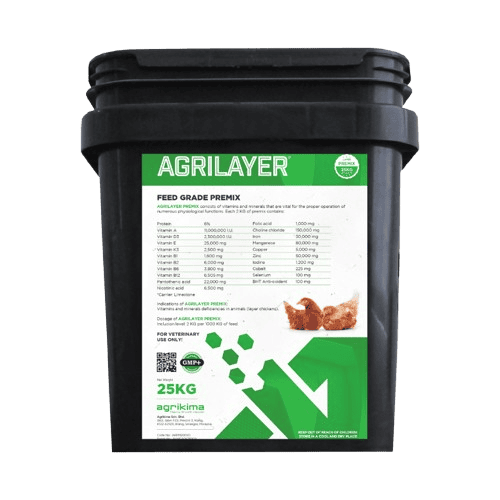
In the competitive world of poultry farming, maintaining detailed poultry farm records is not just a good practice; it is essential for long-term success. By tracking feed, mortality, and eggs produced per hen, farmers can make informed decisions that lead to increased productivity and profitability. Remember, investing in quality veterinary products and supplements can also support your flock's health and enhance overall performance.
Your message to the team
Sources: Read More
- Control of Poultry Disease Outbreaks | MU Extension — University of Missouri Extension
- Chapter 16 - Production Records | Animal & Food Sciences — University of Kentucky, Animal & Food Sciences
- Small‑scale poultry production — Food and Agriculture Organization (FAO)
- AGRICULTURAL EXTENSION SERVICE, UNIVERSITY OF MINNESOTA – KEEPING AND USING FLOCK RECORDS — University of Minnesota Extension
- Data Collection for Small‑Scale Poultry Farms | Poultry — UC Davis (ANR)
- Hen Production Performance — Sustainable Egg Coalition / research summary