Effective Fly Control in Dairy Sheds: Reducing Mastitis
Understanding the Impact of Flies in Dairy Sheds
Flies are more than just a nuisance in dairy sheds; they can significantly affect the health of your cattle and the quality of milk produced. Flies like horn flies and stable flies are known to transmit diseases such as mastitis and pink eye, impacting the overall productivity of your dairy farm. Understanding the importance of fly control in dairy sheds is essential for maintaining a healthy herd.
Why Fly Control is Critical
Unmanaged fly populations can lead to a host of problems, including:
- Increased incidence of mastitis, particularly due to Staphylococcus aureus in heifers.
- Higher risk of pink eye, especially in young cattle.
- Reduced milk production, with studies indicating that flies can lower output by as much as 15–30% in severe cases.
- Increased veterinary costs and labor associated with treating fly-related illnesses.
Effective Fly Control Strategies
Implementing a comprehensive fly control strategy is crucial for dairy farmers. Here are some practical tips that can help you manage fly populations effectively:
1. Sanitation Practices
Maintaining cleanliness is one of the most effective ways to control flies. Make sure to:
- Regularly remove manure and waste, which can attract flies.
- Clean feed spills promptly to avoid attracting pests.
- Ensure that water troughs are clean and free of algae, which can also attract flies.
2. Use of Fly Traps
Farm fly traps can significantly reduce fly populations. These traps work by attracting and capturing flies, thus lowering their numbers around your dairy shed. Consider:
- Setting up sticky traps in areas where flies are commonly seen.
- Utilizing baited traps that are effective in luring house flies and stable flies.
3. Insecticide Application
While sanitation and traps are effective, sometimes insecticide application is necessary. You can:
- Apply knockdown sprays to quickly reduce fly numbers.
- Use residual insecticides in areas where flies breed or rest.
- Consider insecticide-impregnated nets around cow shelters, which have been shown to reduce fly numbers by about 90% and halve mastitis cases.
4. Biological Control
Incorporating natural predators can also help manage fly populations. For example, certain types of wasps feed on fly larvae, assisting in controlling their numbers without chemicals.
Monitoring and Evaluation
Keep track of fly populations and the effectiveness of your control measures. Regular monitoring can help you adjust strategies as needed and ensure that your efforts are paying off.
Health Benefits of Effective Fly Control
Implementing these fly control measures can lead to significant health benefits for your dairy cattle:
- Reduced incidence of mastitis and associated treatment costs.
- Lower risk of pink eye, leading to healthier young stock.
- Improved feed conversion and overall milk production, which can boost your farm's profitability.
Conclusion
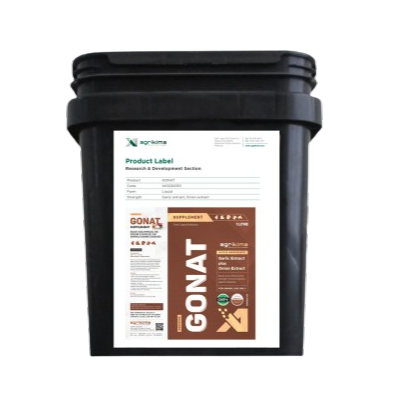
Effective fly control in dairy sheds is essential for maintaining the health of your cattle and optimizing milk production. By implementing sanitation practices, utilizing fly traps, applying insecticides, and considering biological control strategies, you can significantly reduce fly populations and the diseases they carry. Remember, quality veterinary products and supplements can also play a role in enhancing your herd's health and productivity. Stay proactive, and your dairy farm will reap the benefits.
Your message to the team
Sources: Read More
- Netting flies and mosquitoes protects livestock, boosts milk yields — FAO
- Integrated Pest Management of Flies in Texas Dairies — Texas A&M AgriLife Extension
- Fly Control Strategies — Iowa State University Extension and Outreach
- Fly Population Management on Dairies — South Dakota State University Extension
- Dairy Fly Control and Your Bottom Line — California Dairy Quality Assurance Program
- How to Manage Fly Pests in the Cattle Herd — Penn State Extension