Effective Fly and Mite Control in Poultry Houses
Understanding Fly and Mite Infestations
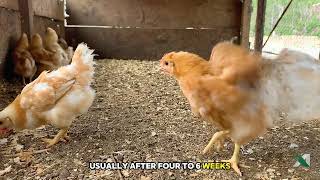
Fly and mite infestations pose significant challenges in deep litter systems for poultry farmers. Flies, particularly house flies and lesser house flies, thrive in these environments, leading to health risks for birds and increased management costs. Meanwhile, red mites (Dermanyssus gallinae) can severely affect poultry health, causing stress and reducing egg production. Effective control measures are crucial to maintaining a healthy poultry house and maximizing production.
Identifying the Pests
Proper identification of the pests is the first step in effective management:
- Flies: Common house flies are larger and tend to cluster, while lesser house flies are smaller and hover in clouds. Recognizing these differences is vital for targeted control strategies.
- Red Mites: These are tiny, often invisible to the naked eye, but they can cause significant issues if left unchecked.
Implementing Integrated Pest Management (IPM)
Integrated Pest Management (IPM) is a holistic approach to pest control that combines different strategies to minimize pests without solely relying on chemical pesticides. Here are practical steps to implement IPM in your poultry house:
1. Sanitation and Hygiene
Regular cleaning of the poultry house is essential. Remove waste and litter frequently to reduce breeding grounds for flies:
- Clean out litter at least once a week.
- Ensure proper disposal of manure to minimize moisture, which attracts flies.
2. Manage Manure Effectively
Proper manure management can significantly reduce fly populations. By allowing manure to dry properly, you can create an environment less conducive to fly breeding. Keeping litter dry also helps in controlling red mites, as they thrive in moist conditions.
3. Use Natural Insect Repellents
Incorporating natural insect repellents can help manage both flies and mites without harmful chemicals. For instance, garlic has been shown to be effective against red mites when added to feed. Additionally, plant extracts from neem and other sources can provide natural insecticidal properties.
Monitoring Fly Populations
Regular monitoring of fly populations is crucial to understanding the effectiveness of your control measures. Use fly traps to gauge the level of infestation. Adjust your strategies based on the data collected. If fly numbers begin to rise, it may be time to reassess your sanitation practices or introduce new control methods.
Enhancing Biosecurity Measures
Implementing strict biosecurity measures can help prevent the introduction of new pests:
- Limit access to the poultry house to essential personnel only.
- Ensure that all equipment and vehicles are cleaned before entering the poultry area.
- Introduce new birds only after a thorough quarantine period.
Utilizing Quality Products
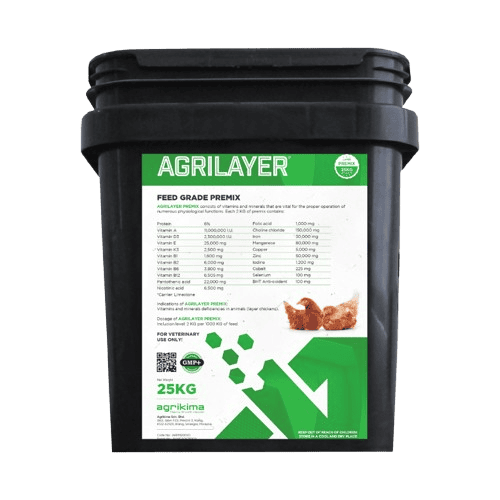
Consider using quality veterinary products and supplements designed to improve poultry health and manage pests effectively. These products can enhance the overall resilience of your flock against infestations.
Conclusion
Managing fly and mite infestations in deep litter systems requires a proactive approach that combines sanitation, effective manure management, natural repellents, and strategic monitoring. By implementing these practices, poultry farmers can maintain healthier environments for their birds and reduce the economic impact of pests.
Your message to the team
Sources: Read More
- Flies Impacting Livestock, Poultry and Food Safety — National Agricultural Library
- Getting fly control right on poultry farms — Poultry World
- Garlic to control red mite infestation in poultry houses — Poultry World
- Managing manure and conserving predators helps control flies in caged-layer poultry systems — FAO AGRIS
- Practice Integrated Pest Management (IPM) — USDA
- Natural plant extracts control red mite (Dermanyssus gallinae) on laying hen farms. — FAO AGRIS