Formulating Rations with Local Byproducts
Understanding Local Byproducts in Feed Formulation
In the quest for cost-effective and nutritious animal feed, many farmers are turning to local byproducts. Two prominent examples are brewers grains and molasses. These ingredients not only reduce feed costs but also provide essential nutrients to livestock.
What are Brewers Grains?
Brewers grains are the by-products of beer production. Once the sugars have been extracted for fermentation, the remaining grains are rich in nutrients. They typically contain about 26% crude protein, making them an excellent addition to animal rations, especially for dairy cattle and poultry. However, their high fiber content means they must be used carefully, particularly in poultry diets.
Utilizing Brewers Grains in Livestock Feed
Brewers grains can be incorporated into various feeds, providing a cost-effective alternative to traditional ingredients. Here are some practical tips for using brewers grains in your feed formulations:
- Dairy Cattle: Wet brewers grains can support the growth of dairy heifers effectively. Research shows that including wet brewers grains in their rations yields similar performance to traditional corn/soybean meal concentrates.
- Poultry: While brewers grains can be included in poultry diets, limit their proportion to about 20% to avoid negatively affecting egg production and fertility.
- Swine: Brewers grains are particularly suitable for gestation diets in pigs, providing essential nutrients without compromising growth performance.
Benefits of Using Brewers Grains
Incorporating brewers grains in your feed rations comes with several advantages:
- Cost-Effectiveness: Using local byproducts like brewers grains can significantly lower your feed costs.
- Nutrient Recycling: Utilizing these byproducts helps recycle nutrients and reduce waste, benefiting the environment.
- Improved Profitability: With reduced feed costs and effective nutrition, farmers can increase their profitability.
The Role of Molasses in Animal Feed
Molasses is another valuable byproduct, primarily derived from the sugar extraction process. It is rich in sugars and serves as a palatable energy source for livestock. Here’s how you can effectively incorporate molasses into your feed formulations:
Benefits of Molasses
- Energy Source: Molasses is an excellent source of energy, making it ideal for livestock during energy-deficient periods.
- Palatability: Adding molasses can enhance feed palatability, encouraging livestock to consume more feed, which is especially useful for weaning animals.
- Mineral Supplementation: Molasses can be fortified with vitamins and minerals, making it a well-rounded dietary supplement.
Incorporating Molasses into Rations
When formulating rations with molasses, consider the following tips:
- Mixing Ratios: Molasses can typically be included at 5-10% of the total ration without adverse effects. Monitor livestock response to adjust as needed.
- Combining with Forages: Mixing molasses with forages can improve the overall energy density of the feed, aiding in weight gain for ruminants.
- Moisture Control: Be cautious about the moisture content in your feed; molasses can increase the humidity levels, which may lead to spoilage if not managed properly.
Best Practices for Feed Local Byproducts Formulation
To maximize the benefits of brewers grains and molasses in your feed formulation, follow these best practices:
- Regular Nutritional Analysis: Conduct regular nutritional analysis of your feed ingredients to ensure balanced rations are being formulated.
- Monitor Animal Performance: Keep track of livestock performance to assess the effectiveness of the feed formulations. Adjust the ratios of brewers grains and molasses based on their growth and health indicators.
- Consult with Experts: Engaging with a livestock nutritionist can help tailor your feed formulations to meet specific nutritional needs.
Enhancing Feed Quality with Veterinary Products
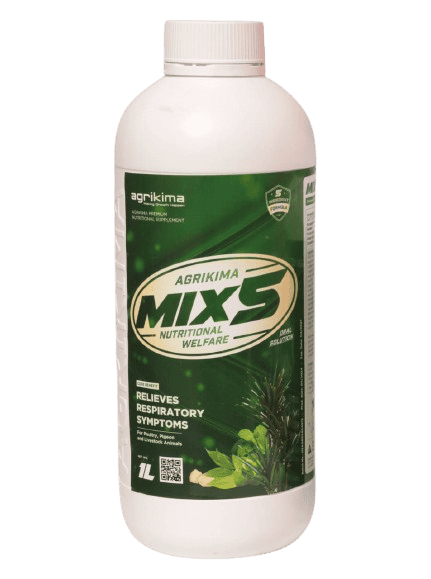
To ensure your livestock are receiving optimal nutrition, consider integrating quality veterinary products and supplements. These can help enhance digestion, improve nutrient absorption, and promote overall health in your animals.
Conclusion
Formulating rations with local byproducts like brewers grains and molasses can lead to significant cost savings and improved animal health. By understanding how to effectively utilize these ingredients, farmers can create balanced and nutritious feed that meets the dietary needs of their livestock.
For additional support in optimizing your animal nutrition strategies, explore Agrikima's range of veterinary and agricultural products tailored for livestock farmers.
Your message to the team
Sources: Read More
- Brewers’ Grains in Poultry Diets — Extension
- The evaluation of Brewers Dried Grains (BDG) in poultry rations 1. Breeder chicken rations — Food and Agriculture Organization (FAO)
- Wet brewers grains may support dairy heifer growth — Feedstuffs
- Wet Brewers and Wet Distillers Grains in Dairy Cattle Diets | Food Waste as Animal Feed — Food and Agriculture Organization (FAO)
- Brewers Grains - an overview — ScienceDirect