Understanding Fowl Pox in Chickens: Control & Vaccination
What is Fowl Pox?
Fowl pox is a viral disease caused by the avian poxvirus that affects chickens. It is characterized by two main forms: dry pox and wet pox. The disease is highly contagious and can lead to significant economic losses in poultry farming if not managed effectively.
Understanding the Two Forms of Fowl Pox
Fowl pox manifests in two distinct forms:
Dry Pox
In this form, chickens develop cutaneous lesions that appear as small, raised scabs on the skin. These dry pox scabs typically appear on unfeathered areas such as the face, comb, and wattles. Although dry pox is less dangerous than wet pox, it can still cause discomfort and secondary infections.
Wet Pox
Also known as diphtheritic pox, this form affects the mucous membranes, leading to wet pox diphtheritic lesions in the mouth and respiratory tract. Chickens with wet pox may show signs of difficulty breathing, excessive salivation, and a reduced appetite. This form is more severe and can be fatal if not treated promptly.
Symptoms of Fowl Pox
Identifying fowl pox early can help in managing the disease effectively. Common symptoms include:
- Presence of scabs or lesions on the skin (dry pox)
- Difficulty swallowing or breathing (wet pox)
- Depression and lethargy
- Decreased egg production
Vaccination Against Fowl Pox
Vaccination is one of the most effective methods to prevent the spread of fowl pox in chickens. The fowl pox vaccine is available and is typically administered to chicks at a young age, usually around 8 to 12 weeks. Here are some tips for effective vaccination:
- Consult a Veterinarian: Always seek guidance from a veterinary professional to determine the best vaccination schedule for your flock.
- Use Quality Vaccines: Ensure that the vaccines used are of high quality and stored properly to maintain their effectiveness.
- Monitor for Reactions: After vaccination, keep an eye on the chickens for any adverse reactions and report them to your vet.
Outbreak Control Strategies
Controlling outbreaks of fowl pox requires a combination of preventive measures and immediate action:
- Implement Biosecurity Measures: Limit access to your poultry farm and ensure that visitors follow strict hygiene protocols to prevent the introduction of the virus.
- Quarantine Infected Birds: If any chickens show signs of fowl pox, quarantine them immediately to prevent further spread.
- Sanitize Equipment: Regularly clean and disinfect equipment and housing to reduce the risk of disease transmission.
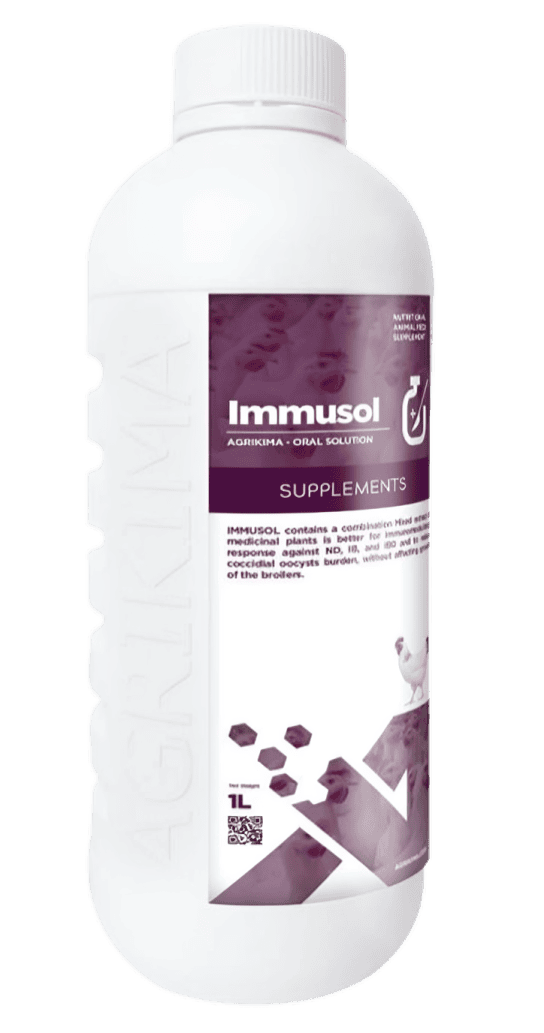
- Provide Nutritional Support: Use quality supplements and feed additives to boost the immune system of your birds, helping them to resist infections.
Conclusion
Fowl pox is a serious disease that can have devastating effects on chicken populations. By understanding its forms, symptoms, and implementing effective vaccination and outbreak control strategies, farmers can protect their flocks. Quality veterinary products and nutritional supplements can further enhance the health and resilience of your chickens against fowl pox.