Effective Goat Breeding Management for Farmers
Introduction to Goat Breeding Management
Goat breeding management is a vital aspect of livestock farming, ensuring healthy and productive herds. Proper techniques not only enhance the quality of your goats but also improve overall farm profitability. This guide will provide essential insights into buck selection, ram selection, breeding seasons, kidding management, and lambing tips.
Buck Selection
Selecting the right buck is crucial for successful goat breeding management. Here are some key factors to consider:
- Genetic Quality: Choose bucks with superior genetics that can pass desirable traits to their offspring.
- Health Status: Ensure the buck is free from diseases and has a good vaccination history. Regular veterinary check-ups can help maintain this.
- Conformation: Look for physical traits that are characteristic of a healthy goat, such as strong legs, a well-shaped body, and good udder structure in females.
- Temperament: A good buck should have a calm temperament, making handling easier during breeding and management.
Ram Selection
Similar to buck selection, choosing the right ram for sheep is essential. Consider the following:
- Breed Type: Select a ram that matches the breed of your ewes for optimal breeding outcomes.
- Reproductive Health: Ensure the ram has a proven breeding record and is free from reproductive diseases.
- Performance Data: Look for rams with documented growth rates, wool quality, and fertility performance.
Breeding Season for Goats
The breeding season is a critical time for goat breeding management. Here’s how to effectively manage this period:
- Timing: Most goats breed during the fall and winter months. Monitor your does for signs of heat, which typically lasts 24 to 48 hours.
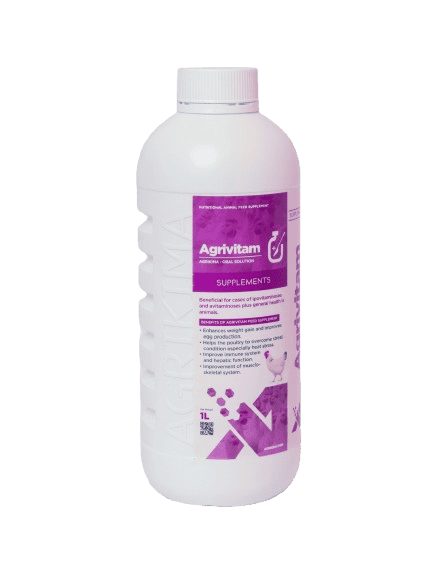
- Nutrition: Provide a balanced diet with proper minerals and vitamins to ensure the health of both bucks and does during breeding. Quality feed supplements can support this.
- Breeding Methods: Decide whether to use natural breeding or artificial insemination based on your farm's capacity and goals.
Kidding Management
Kidding is the process of giving birth to goat kids, and proper management is vital for their survival and growth. Consider the following tips:
- Preparation: Create a clean, safe, and quiet area for kidding. This reduces stress for the doe and helps with the bonding process.
- Monitoring: Keep an eye on the doe as her due date approaches. Signs of impending labor include restlessness and separation from the herd.
- Assistance: Be ready to assist if complications arise during the kidding process. Familiarize yourself with common birthing issues.
- Post-Kidding Care: Ensure that the kids receive colostrum within the first few hours of life to boost their immune systems.
Lambing Tips
For sheep farmers, effective lambing management is essential. Here are some practical tips:
- Nutrition: Provide ewes with a nutrient-rich diet in the weeks leading up to lambing. This helps ensure healthy lambs and easy deliveries.
- Environment: Ensure lambing pens are clean, dry, and well-ventilated. This reduces the risk of diseases.
- Record Keeping: Maintain records of lambing dates, the number of lambs born, and any complications to help improve future breeding management.
Conclusion
Effective goat breeding management requires attention to detail, proper planning, and ongoing education. By focusing on buck and ram selection, understanding the breeding season, and managing kidding and lambing effectively, farmers can ensure a productive and healthy herd. Remember to utilize quality veterinary products and supplements to support your goats' and sheep's health throughout the breeding process.