Effective Goat Browse Management in Dry Areas
Understanding Goat Browse Management
Goats are naturally adapted to thrive in dry environments, making them excellent foragers in areas with limited pasture. Effective goat browse management is crucial for ensuring their health and productivity. This involves understanding their dietary preferences and maximizing available forage resources.
Importance of Browse for Goats
Goats rely heavily on browse, which constitutes a significant portion of their diet, especially in dry areas. Studies show that browse can make up at least 40% of a goat's diet in Mediterranean climates, which translates to its importance in arid environments as well. By managing browse effectively, farmers can enhance the nutritional intake of their goats and improve their overall health.
Choosing the Right Browse Species
In dry areas, goats exhibit a preference for certain plant species, which are more palatable during the dry season. Research indicates that goats often favor higher trees and plants that have been previously browsed, suggesting they are selective in their foraging habits. Here are some steps to choose the right browse species:
- Identify local browse species: Familiarize yourself with local flora that is suitable for goat browsing, such as acacia, mulberry, and other drought-resistant plants.
- Assess palatability: Observe which species your goats prefer, as this can vary from one region to another.
- Monitor seasonal availability: Availability of browse can change with the seasons, so plan your grazing strategies accordingly.
Pasture Management Strategies
Proper pasture management is essential in dry regions to maximize the use of available forage and maintain soil health. Here are some effective strategies:
- Rotational Grazing: Implement rotational grazing systems to prevent overgrazing and allow pasture to regenerate. This method can help maintain soil quality and encourage healthy plant growth.
- Monitor forage quality: Regularly assess the quality of the pasture and browse available to your goats. This ensures they receive adequate nutrition and can help in making adjustments to their diet as needed.
- Utilize low-quality resources: Studies indicate that goats can efficiently utilize low-quality forage, which is often abundant in dry areas. Incorporating these resources can reduce feeding costs.
Feeding Goats in Dry Areas
Feeding goats effectively in dry areas requires an understanding of their nutritional needs and the resources available. Here are some tips for feeding your goats:
- Supplement with minerals: Ensure your goats have access to mineral supplements, as deficiencies can occur, especially in dry seasons.
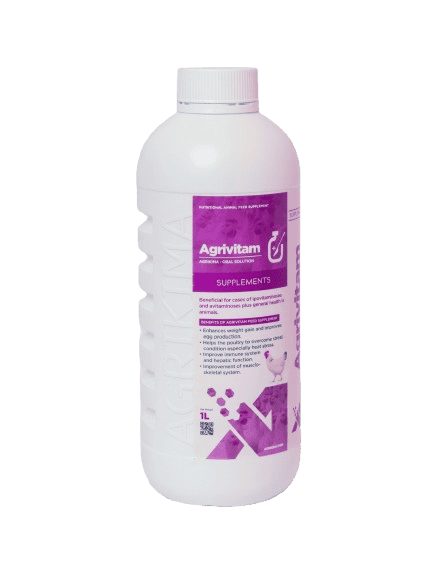
- Use high-quality feed additives: Consider using quality veterinary products that can enhance the digestibility of forage and improve overall health.
- Monitor body condition: Regularly check the body condition of your goats to ensure they are receiving adequate nutrition.
Benefits of Effective Browse Management
Implementing effective browse management not only enhances the health of your goats but also contributes to sustainable farming practices. Here are some benefits you can expect:
- Improved health and productivity: Healthy goats lead to better milk production and meat quality.
- Reduced feed costs: Efficient utilization of available browse and pasture can significantly lower the overall feed expenses.
- Enhanced land management: Proper grazing techniques can reduce shrub encroachment and promote biodiversity in pasturelands.
Conclusion
Goat browse management in dry areas is essential for maintaining the health and productivity of your herd. By understanding their browsing preferences, implementing effective pasture management strategies, and providing quality supplements, farmers can ensure their goats thrive even in challenging conditions. Quality veterinary products and supplements from Agrikima can further support your efforts in maintaining a healthy goat population.
Your message to the team
Sources: Read More
- Diet preferences of goats in a subtropical dry forest and implications for habitat management — US Forest Service Research and Development
- Behaviour of goats, sheep and cattle and their selection of browse species on natural pasture in a Sahelian area — ScienceDirect
- Browsing by goats on three spatial scales in a semi-arid savanna — ScienceDirect
- Utilization of low quality resources by small ruminants in Mediterranean agro-pastoral systems: the case of browse and aftermath cereal stubble — ScienceDirect
- Goat pasturing—A biological solution to counteract shrub encroachment on abandoned dry grasslands in Central Europe? — ScienceDirect