Goat House Design: Essential Tips for Optimal Shelter
Understanding Goat House Design
When it comes to goat farming, the right goat house design is crucial for the health and productivity of your herd. A well-constructed goat shelter not only protects your animals from harsh weather conditions but also provides a comfortable environment that promotes their well-being. Let's explore essential aspects of goat housing and shelter design.
Essential Features of Goat Housing
Effective goat housing should encompass several key features to ensure that your goats thrive.
- Ventilation: Proper airflow is vital to prevent respiratory diseases. Ensure that your goat house has windows or vents that can be opened to allow fresh air circulation.
- Insulation: Goats are sensitive to extreme temperatures. Use materials that provide insulation to keep the shelter warm in winter and cool in summer.
- Flooring: A raised goat house is ideal as it keeps the goats dry and clean. Use concrete or wooden slats for flooring to facilitate easy cleaning and drainage.
- Space: Each goat should have at least 15-20 square feet of space inside the shelter to move comfortably. Overcrowding can lead to stress and health issues.
Goat Shed Construction Techniques
When planning your goat shed construction, consider the following design elements:
1. Location
Choose a location that is well-drained and away from standing water. This helps prevent mud accumulation and promotes a clean environment.
2. Structure
Your goat house can be built from wood, metal, or a combination of both. Ensure that the structure is sturdy enough to withstand local weather conditions.
3. Roof Design
A sloped roof is preferred for goat houses as it allows rainwater to run off easily. Consider using durable roofing materials that offer protection from UV rays.
Zero Grazing Goat Unit
Implementing a zero grazing goat unit is an excellent way to manage your herd more effectively, especially in areas where pasture is limited. In this system, goats are kept in a confined area where they receive all their feed, minimizing land degradation.
Design Considerations for Zero Grazing Systems
- Feeding Stations: Create designated feeding areas within the shelter to ensure that all goats can access food easily.
- Water Supply: Provide a clean and constant water supply. Ensure water troughs are placed in a way that prevents contamination.
- Manure Management: Incorporate a plan for regular manure removal to maintain hygiene and reduce the risk of disease.
Goat Housing Plans
Designing your goat housing plan requires careful thought. Here are some effective strategies:
1. Goat Pen Layout
Design your goat pen layout by dividing the space into separate areas for feeding, resting, and exercising. This helps in managing the goats' behavior and reduces conflicts.
2. Grouping
Group goats by age and size to minimize stress and aggression. This promotes a more harmonious environment within the goat house.
3. Access to Outdoor Space
Even with a zero grazing system, providing an outdoor area for exercise is beneficial. Ensure that the outdoor space is secure and free from predators.
Final Thoughts on Goat House Design
In conclusion, a well-designed goat house plays a vital role in your goats' health and productivity. By considering factors like ventilation, insulation, and space, you can create an ideal shelter for your herd. Regularly check the condition of the shelter and make necessary improvements to maintain a safe and comfortable environment.
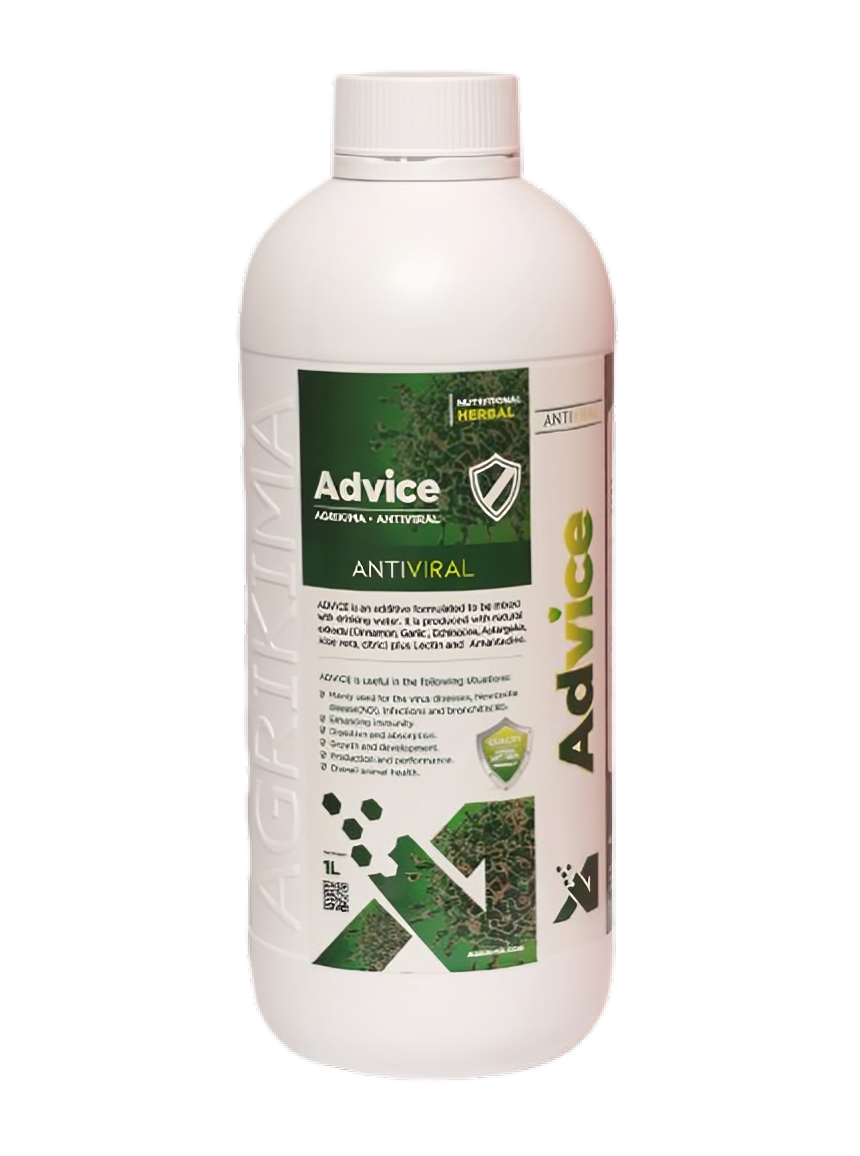
Don’t forget, supplementing your goats’ diet with quality veterinary products can enhance their overall health and productivity. Explore options that best fit your farming needs.