Grading, Packaging, and Branding Eggs for Profit
Understanding Egg Grading
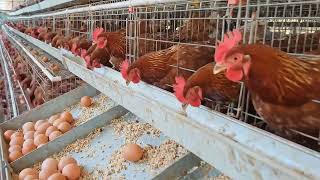
Egg grading is a crucial step in the egg production process that involves assessing the quality and size of eggs. Grading helps farmers and producers determine market value and consumer appeal. According to the USDA's Egg Grading Manual, eggs are evaluated based on several criteria:
- Shell Quality: The exterior should be clean and free of cracks.
- Yolk Condition: Yolk color and size can affect consumer perception.
- Air Cell Size: This indicates freshness; smaller air cells are preferred.
By adhering to these grading standards, farmers can ensure their products meet market demands, leading to better pricing.
Egg Sizing for Standardization
Egg sizing is essential for standardizing pricing and meeting consumer expectations. Eggs are categorized into weight classes such as small, medium, large, and extra-large, as outlined by Michigan State University Extension. Each size corresponds to specific consumer needs and market segments. Here are some tips for sizing your eggs:
- Use a reliable scale to ensure accurate measurements.
- Regularly check for variations in egg size to maintain consistency.
- Label eggs clearly with their size for better marketing.
Proper sizing not only helps in pricing but also enhances customer satisfaction, as consumers prefer consistent product sizes.
Effective Egg Packaging
Packaging plays a vital role in protecting eggs and enhancing their marketability. According to the Food and Agriculture Organization, effective packaging not only safeguards the eggs but also communicates quality and brand identity to consumers. Here are some strategies for effective egg packaging:
- Choose Durable Materials: Use cartons made from recycled materials to appeal to eco-conscious consumers.
- Design Eye-Catching Labels: Include your brand logo, nutrition information, and any certifications (like organic or free-range).
- Ensure Proper Ventilation: Packaging should allow for air circulation to maintain egg freshness.
Well-designed packaging can help you stand out in the crowded market and attract more customers.
Branding Your Eggs for the Premium Market
Branding is key to capturing a share of the premium egg market, where consumers are willing to pay more for perceived quality and ethical production methods. Marketing specialty eggs, such as organic or free-range, can significantly enhance profitability. As noted by Iowa State University Extension, effective branding strategies include:
- Highlighting Unique Selling Points: Make sure to communicate what makes your eggs special, such as animal welfare standards or organic feed.
- Utilizing Social Media: Engage with consumers through platforms like Instagram and Facebook to showcase your farm and production practices.
- Participating in Local Markets: Building a local presence can enhance brand loyalty and trust.
Strong branding not only increases your market visibility but also fosters customer loyalty, leading to repeat purchases and higher profit margins.
Conclusion
In conclusion, grading, packaging, and branding are critical components that can significantly impact the pricing and marketability of your eggs. By adhering to grading standards, ensuring proper sizing, investing in effective packaging, and building a strong brand presence, farmers can enhance their profitability in the competitive egg market. With the right approach, your eggs can command better prices, catering to the growing demand for quality products.
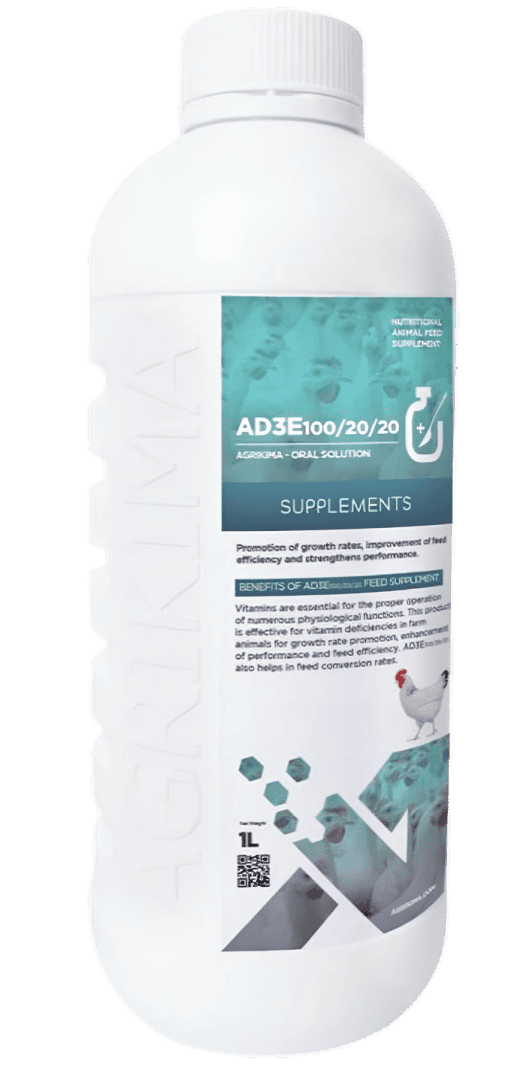
Lastly, consider using quality veterinary products and supplements to improve the health and productivity of your hens, further ensuring the quality of your eggs.
Your message to the team
Sources: Read More
- Egg Grading Manual — United States Department of Agriculture (USDA)
- Egg Packaging and Labeling — Food and Agriculture Organization (FAO)
- Egg Sizing and Weight Classes — Michigan State University Extension
- Marketing Specialty Eggs — Iowa State University Extension and Outreach
- Egg Handling and Safety — United States Department of Agriculture Food Safety and Inspection Service (USDA FSIS)