Choosing the Right Hammer Mill for Feed Milling
Understanding Hammer Mill Selection for Feed Milling
Choosing the right hammer mill is critical for any feed milling business. A hammer mill helps in the grinding of grains and other feed ingredients, ensuring optimal feed quality for livestock. The right selection can enhance your operational efficiency and feed quality.
Types of Hammer Mills
There are various types of hammer mills available in the market, each suited for specific grinding tasks:
- Industrial Hammer Mills: Designed for high-capacity operations, these mills are robust and can handle various materials.
- Farm-Scale Hammer Mills: These are smaller and ideal for individual farms looking to produce their own feed.
- Portable Hammer Mills: Convenient for on-site grinding, these mills are great for farmers who need flexibility.
Factors to Consider in Hammer Mill Selection
1. Hammer Mill Capacity
The capacity of the hammer mill is crucial for meeting your production needs. Assess how much feed you need to produce daily and select a mill that can handle that volume without compromising quality.
2. Type of Feed Ingredients
Different feed ingredients have varying grinding requirements. Consider whether your primary ingredients are grains, silage, or supplements. Ensure the hammer mill you choose can efficiently process these materials.
3. Power and Energy Consumption
Evaluate the power requirements of the hammer mill. A mill that consumes less energy while delivering high performance will not only save costs but also enhance sustainability.
4. Grind Size and Uniformity
The size of the ground feed particles affects animal nutrition and feed efficiency. Choose a mill that allows you to adjust the grind size to meet the specific needs of your livestock, ensuring optimal feed conversion rates.
5. Durability and Maintenance
Select a hammer mill made from high-quality materials that ensure durability. Regular maintenance is essential, so choose a model that is easy to clean and service.
6. Safety Features
Safety is paramount in any milling operation. Look for hammer mills that come with safety features like overload protection and emergency stop functions.
Cost Considerations
The initial investment in a hammer mill is significant, but it’s essential to consider the long-term costs, including maintenance, energy consumption, and replacement parts. A higher-quality mill may have a higher upfront cost but can save money in the long run due to its efficiency and durability.
Integrating Quality Feed Additives
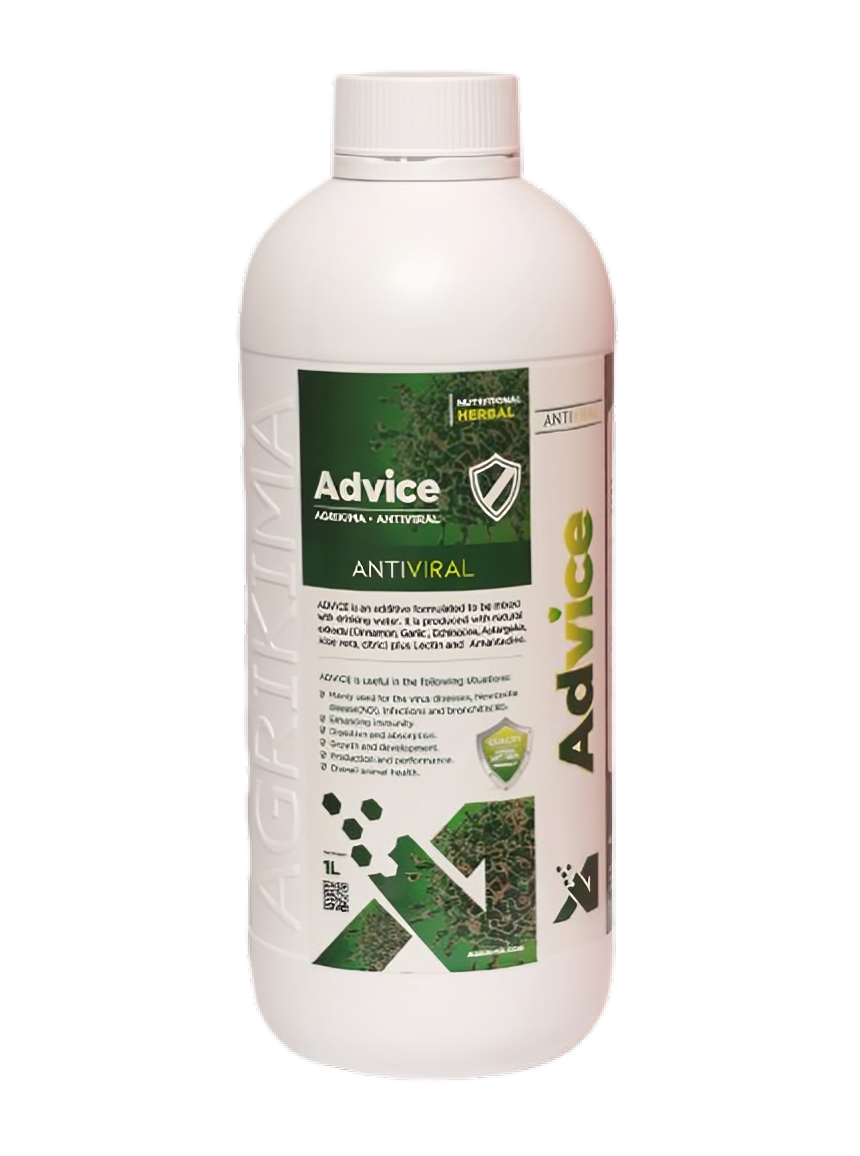
Alongside selecting the right hammer mill, consider integrating quality feed additives and supplements into your feed formulation. These can enhance the nutritional value of your feed and improve the overall health of your livestock.
Conclusion
Choosing the right hammer mill for your feed milling business involves evaluating capacity, ingredient type, energy consumption, grind size, and safety features. By making an informed selection, you can enhance your feed quality and optimize production efficiency.