Hammer Mill vs Roller Mill: Which Pays Back Faster?
Introduction to Feed Grinding Equipment
When it comes to operating a mid-size feed mill, choosing the right feed grinding equipment is crucial. The decision between a hammer mill and a roller mill can significantly impact your production efficiency and overall profitability.
Understanding Hammer Mills
Hammer mills utilize a high-speed rotating system of hammers to crush and grind feed ingredients. They are known for their ability to produce a fine particle size, which is essential for certain types of animal feed.
Benefits of Hammer Mills
- Versatility: Hammer mills can grind a variety of materials, including grains, corn, and forages.
- Particle Size Control: They provide excellent control over the final particle size, which can improve feed efficiency and animal health.
- Lower Initial Investment: Generally, hammer mills have a lower capital cost compared to roller mills.
Understanding Roller Mills
Roller mills work by passing feed ingredients between two or more rolls that crush and grind the material. They are particularly effective for producing coarse particles, which can enhance the digestibility of certain feeds.
Benefits of Roller Mills
- Higher Throughput: Roller mills typically have a higher production capacity compared to hammer mills.
- Improved Feed Quality: They generate less heat during grinding, preserving the nutritional value of the feed.
- Consistency: Roller mills provide a more uniform particle size, which can lead to better feed conversion rates.
Cost Considerations: Hammer Mill vs Roller Mill
When choosing between a hammer mill and a roller mill, understanding the costs involved is essential for determining which grinder pays back faster.
Initial Investment
Hammer mills generally require a lower initial investment. This makes them attractive for farmers just starting their feed milling operations. In contrast, roller mills are more expensive but may offer long-term savings through increased efficiency.
Operational Costs
Operational costs include maintenance, energy consumption, and labor. Hammer mills tend to require more energy and maintenance due to their fast-moving parts, which can lead to higher operating costs over time. Roller mills, while initially more expensive, often have lower maintenance and energy costs, providing a better return on investment in the long run.
Evaluating ROI: Return on Investment
When evaluating the return on investment for hammer mills and roller mills, it’s essential to consider not just the initial and operational costs, but also the productivity and quality of the feed produced.
Factors Influencing Roller Mill ROI
- Production Volume: If your mill produces high volumes of feed, the efficiency of a roller mill can lead to significant savings over time.
- Feed Quality: Higher quality feed can improve livestock health and productivity, potentially leading to higher profits.
- Market Demand: If your customers prefer coarsely ground feed, a roller mill might be the better option to meet market demands.
Conclusion: Making the Right Choice
In summary, the choice between hammer mill and roller mill depends on your specific operational needs, budget, and the type of feed you intend to produce. For lower initial costs and versatility, a hammer mill may be the right choice. However, for higher efficiency, lower operating costs, and better feed quality, investing in a roller mill could yield a faster return on investment in the long run.
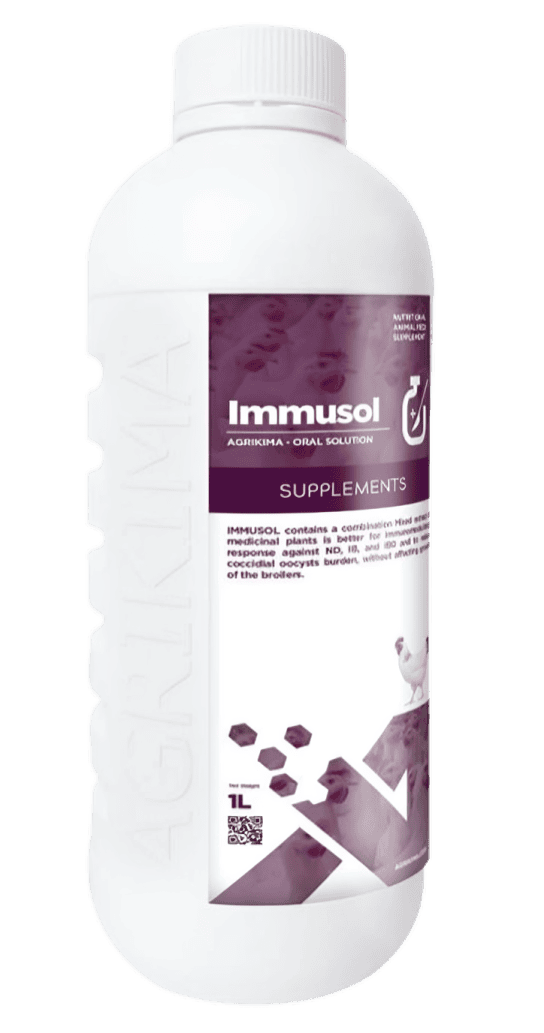
Ultimately, understanding the nuances of each type of grinder will help you make an informed decision that aligns with your feed mill's goals. Consider also the quality veterinary products and supplements available to enhance animal health, as these can further contribute to the profitability of your operation.