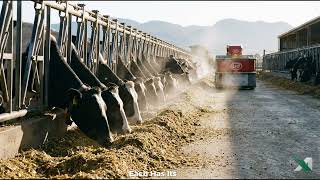
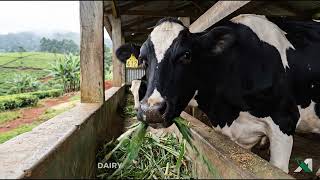
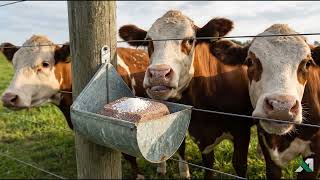
Hay vs Silage vs Standing Hay: Forage Strategy Explained
Understanding Forage Types
Forage is essential for livestock, providing necessary nutrients for health and productivity. When it comes to choosing the right forage strategy, farmers often consider three primary options: hay, silage, and standing hay. Each type has unique benefits and challenges, making it crucial to understand their differences to maximize animal health and production.
What is Hay?
Hay is dried grass or legumes that are harvested and stored to be fed to livestock. It's a popular choice for dairy and livestock farmers due to its ease of storage and long shelf life.
Benefits of Hay
- Long Shelf Life: Hay can be stored for months without spoiling, making it a reliable feed source.
- Nutritional Value: Depending on the type of grass or legume, hay can be rich in fiber, protein, and essential nutrients.
- Cost-Effective: If managed properly, producing hay can be less expensive than other forage options.
Challenges of Hay
- Weather Dependent: Harvesting hay requires dry weather, and rain can ruin a crop.
- Loss of Nutrients: Nutritional value can diminish during the drying process.
What is Silage?
Silage is fermented, high-moisture fodder made from green foliage crops, typically harvested and stored in anaerobic conditions. This method preserves the forage's nutritional value effectively.
Benefits of Silage
- High Nutritional Value: Silage retains more nutrients compared to hay, making it a highly digestible feed option.
- Less Weather-Dependent: Silage can be made in a wider range of weather conditions than hay.
- Improved Palatability: Animals often prefer silage due to its moist texture and sweet smell.
Challenges of Silage
- Storage Needs: Silage requires specific storage conditions to prevent spoilage and must be kept airtight.
- Initial Investment: Equipment and materials for making silage can represent a significant investment.
What is Standing Hay?
Standing hay refers to grass or legumes that are left in the field to dry before being harvested. This method can be advantageous for farmers who want to reduce their labor costs.
Benefits of Standing Hay
- Reduced Labor: Less labor is required since there’s no need for immediate harvesting.
- Cost-Effective: It can be cheaper to let forage dry in the field than to harvest and dry it in a barn.
Challenges of Standing Hay
- Weather Risks: If it rains before harvest, the quality can deteriorate significantly.
- Animal Preference: Animals may be less inclined to eat standing hay if they are not used to it.
Choosing the Right Forage Strategy
When selecting between hay, silage, and standing hay, consider these factors:
1. Nutritional Needs
Assess the nutritional requirements of your livestock. For example, dairy cows often benefit from the high digestibility of silage, while hay may suffice for less demanding livestock.
2. Cost and Resources
Evaluate your budget and available resources. If you have the equipment for silage, it may be a worthwhile investment for high-producing animals. Conversely, if you have limited resources, hay or standing hay might be more practical.
3. Climate and Weather
Consider your local climate and weather patterns. If you live in a region with unpredictable weather, silage may offer a more reliable option.
4. Storage Capability
Your storage options will also influence your choice. Silage requires airtight storage, while hay can be stored in a barn or shed.
Practical Tips for Forage Planning
- Regular Testing: Conduct periodic testing of your forage to ensure it meets nutritional standards.
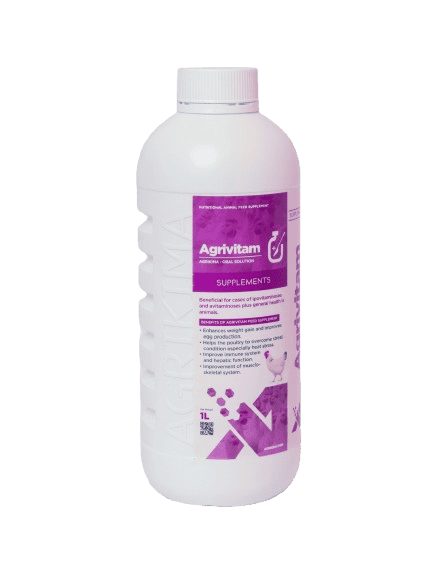
- Quality Veterinary Products: Consider using supplements to boost nutritional value, especially during the dry season.
- Plan Ahead: Create a fodder planning schedule to ensure your livestock has sufficient feed throughout the year.
Conclusion
Choosing the right forage strategy—hay, silage, or standing hay—depends on multiple factors, including nutritional needs, costs, resources, and climate. By evaluating these aspects and planning accordingly, you can ensure your livestock receives the best quality feed for optimal health and productivity. Remember that quality veterinary products and supplements can play a critical role in enhancing the nutritional benefits of your chosen forage.