Healthy Indigenous Chicken Farming
Introduction to Indigenous Chicken Farming
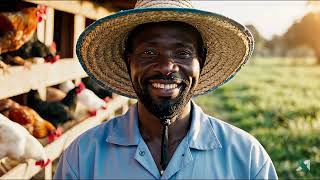
Indigenous chicken farming has gained popularity among farmers due to its numerous benefits. These chickens are well adapted to local conditions, hardy, and require less intensive management compared to exotic breeds. In this blog, we will explore how to raise healthy indigenous chickens while incorporating free-range poultry practices.
Understanding Indigenous Chickens
Indigenous chickens are known for their resilience and ability to thrive in local environments. They are generally smaller than commercial breeds but are highly valued for their meat and eggs. Their adaptability makes them an ideal choice for smallholder farmers looking to diversify their livestock.
Benefits of Free-Range Poultry
- Natural Diet: Free-range poultry have access to natural food sources, such as insects and plants, which contribute to their overall health.
- Better Meat Quality: Chickens raised in a free-range system often produce meat that is more flavourful and nutritious.
- Reduced Disease Incidence: Chickens that roam freely are less likely to experience the stress-related diseases common in confined systems.
Setting Up Your Indigenous Chicken Farm
Creating a conducive environment for your indigenous chickens is essential for their growth and productivity. Here are some practical steps to consider:
1. Choose the Right Location
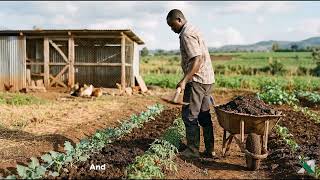
Find a secure area that provides shelter from harsh weather conditions and predators. The location should have enough space for your chickens to roam freely, promoting natural foraging behavior.
2. Build a Suitable Coop
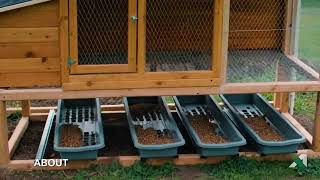
Your chicken coop should protect your birds from predators and harsh weather. A well-ventilated coop with proper nesting boxes is essential. Ensure that it is spacious enough to accommodate your chickens comfortably.
3. Provide Adequate Nutrition
A balanced diet is crucial for the health of your indigenous chickens. Consider the following:
- Provide a mixture of grains, greens, and protein sources.
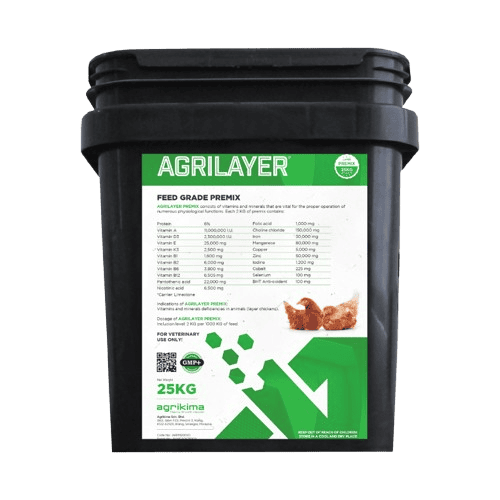
- Incorporate quality veterinary supplements to enhance their nutrition and overall health.
- Ensure fresh and clean water is available at all times.
Health Management for Indigenous Chickens
Maintaining the health of your indigenous chickens is paramount. Here are some tips:
1. Regular Health Checks
Conduct regular health checks to monitor for signs of disease. Look for symptoms such as lethargy, unusual droppings, or changes in appetite.
2. Vaccination
Vaccination is a critical aspect of disease prevention. Consult with a veterinarian to determine the appropriate vaccination schedule for your flock.
3. Use Quality Veterinary Products
Incorporate quality veterinary products and natural supplements to boost immunity and prevent diseases. Products from Agrikima can provide essential nutrients and support overall health.
Breeding Indigenous Chickens
If you plan to breed your indigenous chickens, consider the following:
1. Selecting Breeding Stock
Choose healthy birds that exhibit desirable traits such as size, egg production, and temperament. This will help improve the quality of your flock over time.
2. Nesting and Incubation
Provide adequate nesting boxes for hens to lay their eggs. If you are incubating eggs, ensure a consistent and suitable environment for hatching.
Conclusion
Raising indigenous chickens can be a rewarding venture. By implementing the above practices and utilizing quality veterinary products, you can ensure healthy growth and productivity in your flock. Embrace the benefits of free-range poultry and enjoy the fruits of your labour!