Heat Detection in Dairy Cows: Signs You Might Miss
Understanding Heat Detection in Dairy Cows
Effective heat detection is crucial for dairy farmers aiming to improve breeding success and maximize milk production. Heat detection in dairy cows signs can be subtle, and many farmers may miss them. Recognizing these signs can lead to timely artificial insemination (AI) and better overall herd fertility.
What is Oestrus Detection?
Oestrus detection refers to identifying when a cow is in heat or estrus, a period when she is receptive to mating. Knowing the cow on heat signs is vital for optimizing breeding schedules. Missing these signs can result in delayed breeding and reduced milk yields.
Common Signs of Heat in Dairy Cows
- Increased Activity: Cows in heat tend to be more active and may exhibit restlessness. This behavior can be monitored using activity collars or pedometers.
- Mounting Behavior: Cows will often mount other cows in the herd. Observing this behavior can be a clear indicator of heat.
- Vocalization: Increased vocalization, such as bellowing, is a common sign of a cow in heat.
- Clear Mucus Discharge: A clear, slippery discharge from the vagina indicates that the cow is likely in heat.
- Swollen Vulva: The vulva may appear swollen and more prominent when the cow is in heat.
Less Obvious Signs You Might Be Missing
While the above signs are well-known, there are subtler indicators that can easily be overlooked:
- Changes in Feeding Behavior: Cows may eat less during their heat cycle. Monitoring feed intake can provide insights into their reproductive status.
- Reduced Milk Production: A temporary dip in milk production can be a sign that a cow is in heat. Keeping track of production levels can help identify this.
- Posture Changes: Cows may adopt a more rigid posture with their tails raised, signaling that they are ready for mating.
- Restlessness: If a cow appears agitated or anxious, it could be an indication that she is approaching her heat period.
Implementing Effective Heat Detection Strategies
To maximize the chances of successful breeding, farmers should implement systematic heat detection strategies:
1. Regular Observation
Spend time observing the herd daily, especially during the early morning and late evening when cows are most active. This can help catch signs of heat that may otherwise be missed.
2. Use Technology
Consider using heat detection technologies such as:
- Activity Monitors: Wearable devices can help track cow activity levels and provide alerts when a cow is in heat.
- Video Monitoring: Installing cameras can aid in observing cow behavior without physically being present in the barn.
3. Record Keeping
Maintain accurate records of each cow's reproductive history. This can help identify patterns and predict future heats. Note any changes in behavior or production that may correlate with heat cycles.
4. Veterinary Support
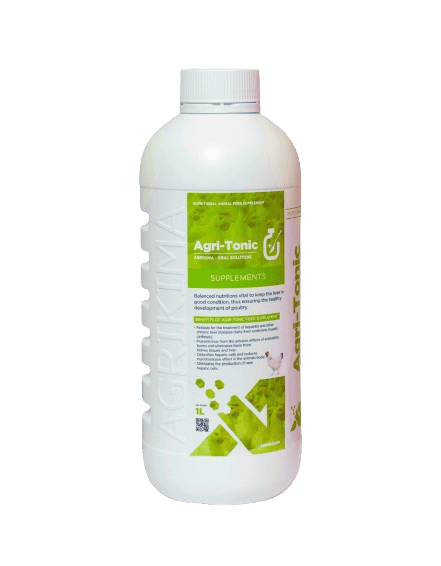
Incorporate quality veterinary products and supplements to enhance reproductive health. Products that support hormone balance can improve the likelihood of successful heat detection and breeding.
Optimizing AI Timing
Understanding the optimal AI timing is crucial for successful breeding. AI should ideally be performed 12 hours after the first signs of heat are observed to ensure the best chances of conception.
Tips for Effective AI Timing
- Monitor Regularly: Stay vigilant during the expected heat periods.
- Involve Trained Personnel: Ensure that trained personnel perform AI to improve success rates.
- Utilize Synchronization Programs: Consider using synchronization protocols to help manage breeding more effectively.
Conclusion
Effective heat detection in dairy cows is essential for maximizing breeding efficiency and milk production. By being aware of both common and subtle heat detection dairy cows signs, farmers can enhance their reproductive management strategies. Regular observation, the use of technology, and maintaining accurate records are vital components of successful heat detection. Moreover, partnering with a veterinarian for quality products and supplements can significantly improve overall herd fertility.