Heat Stress in Pigs: Effective Management Strategies
Introduction
Managing heat stress in pigs is crucial for maintaining their health and maximizing daily weight gain. Pigs are particularly susceptible to high temperatures, and without proper management, their growth can be severely affected. This article explores essential strategies, including pig cooling systems, proper water supply, and effective swine ventilation.
Understanding Heat Stress in Pigs
Heat stress occurs when pigs are unable to regulate their body temperature, leading to decreased appetite, reduced growth rates, and compromised health. Pigs have a limited ability to sweat, making them reliant on other means of cooling. Recognizing the signs of heat stress is vital for timely intervention.
Signs of Heat Stress
- Increased respiratory rate
- Excessive salivation
- Reduced feed intake
- Listlessness and lethargy
- Increased vocalization
Cooling Strategies for Pigs
Implementing effective pig cooling systems is one of the most critical aspects of heat stress management. Below are some practical cooling solutions:
1. Water Sprinklers
Using water sprinklers in pig housing can effectively lower the ambient temperature. Sprinklers should be set to operate during the hottest parts of the day. Ensure that the pigs have enough space to move away from the spray if they prefer not to be wet.
2. Misting Systems
Misting systems provide a fine spray of water that evaporates quickly, cooling the air around the pigs. This method is highly effective in reducing heat stress and should be used in conjunction with proper ventilation.
3. Shade Structures
Providing shaded areas in outdoor pens helps protect pigs from direct sunlight. Shade can be created using tarps, trees, or specially designed shade cloth, allowing pigs to cool down naturally.
Water Requirements for Pigs in Hot Weather
Proper hydration is essential for pigs, especially during hot weather. Pigs require a higher water intake to regulate their body temperature. Here are some tips for managing pig water requirements in hot weather:
1. Increase Water Supply
During hot conditions, increase the number of water sources available to pigs. This ensures they have easy access to fresh water at all times.
2. Monitor Water Temperature
Water should be cool, as pigs are more likely to drink it when it’s at a lower temperature. Consider insulating water tanks to avoid heating from the sun.
3. Regular Cleaning
Maintain clean water troughs to encourage pigs to drink. Dirty water can deter pigs from hydration, exacerbating heat stress.
Ventilation Fixes for Pig Housing
Effective swine ventilation is crucial for maintaining a comfortable environment for pigs. Proper airflow helps dissipate heat and ensures fresh air circulation. Here are strategies to improve ventilation:
1. Natural Ventilation
Design pig housing with adequate openings to facilitate natural airflow. Use ridge vents and side openings to create a cross-breeze, allowing hot air to escape.
2. Mechanical Ventilation
In situations where natural ventilation is insufficient, consider installing fans and exhaust systems. These can help maintain a consistent airflow, especially in enclosed spaces.
3. Regular Maintenance
Ensure that all ventilation systems are regularly maintained and functioning correctly. Check for blockages and clean filters to maximize efficiency.
Combining Strategies for Maximum Effect
Combining cooling, water, and ventilation strategies creates a comprehensive approach to managing heat stress in pigs. For instance, using misting systems in conjunction with proper ventilation not only cools the pigs but also reduces humidity levels, further enhancing comfort.
Conclusion
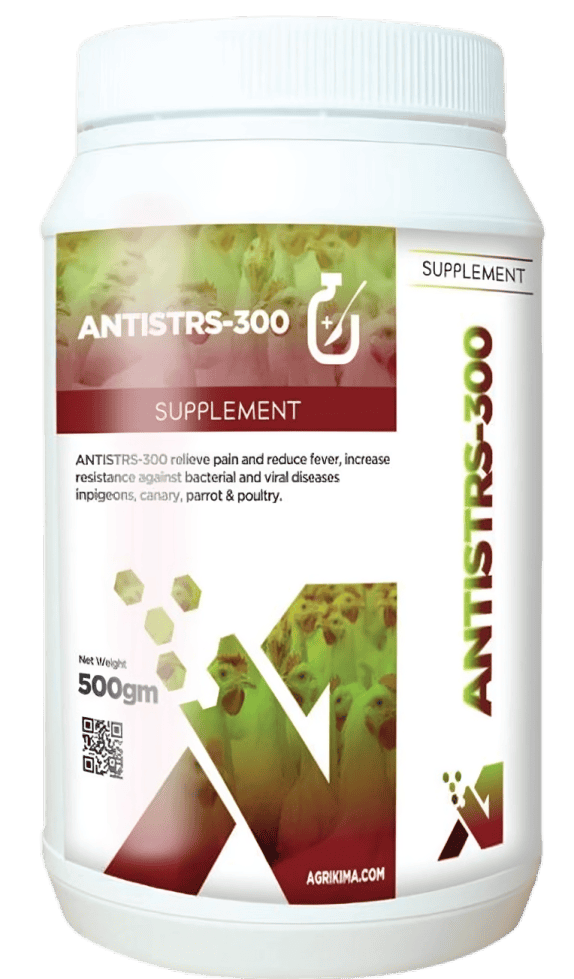
Heat stress in pigs management is essential for the health and productivity of your herd. By implementing effective pig cooling systems, ensuring adequate water supply, and optimizing swine ventilation, farmers can significantly mitigate the adverse effects of heat stress. Consider using quality veterinary products and supplements to support overall pig health during hot weather. Taking proactive measures will help save daily weight gain and improve the overall efficiency of your pig farming operation.