
Homemade Dairy Cow Feed Preparation: A Complete Guide
Introduction
Feeding dairy cows with the right nutrition is essential for their health and milk production. Homemade dairy cow feed preparation allows farmers to control the quality of feed their cows consume. This guide will walk you through the essential steps of cattle feed formulation to ensure your cows receive a balanced diet.
Understanding Dairy Nutrition
Dairy cows require a well-balanced diet that includes:
- Energy sources (grains, silage)
- Protein sources (soybean meal, alfalfa)
- Minerals and vitamins (salt, calcium, phosphorus)
- Fiber (hay, pasture grasses)
Understanding these components will help you create a nutritious feed that meets the specific needs of your dairy herd.
Key Cow Feed Ingredients
When preparing homemade dairy cow feed, consider these essential cow feed ingredients:
- Cereals: Corn, barley, and oats are excellent energy sources.
- Protein meals: Soybean meal and canola meal provide necessary protein for milk production.
- Forages: Hay and silage improve digestion and provide fiber.
- Mineral supplements: Ensure cows receive adequate minerals like calcium, phosphorus, and magnesium.
Steps for Homemade Dairy Cow Feed Preparation
Step 1: Assess Nutritional Needs
Before you start, assess the nutritional requirements of your dairy cows based on their age, production stage, and health status. High-producing cows may require more energy and protein.
Step 2: Gather Ingredients
Collect all necessary ingredients. Here is a simple list to start:
- Grains (corn, barley)
- Protein sources (soybean meal, alfalfa)
- Forages (hay, silage)
- Mineral mix
Step 3: Formulate the Recipe
Using the nutritional needs assessment, create a balanced recipe. A typical formulation might look like this:
- 40% corn
- 30% soybean meal
- 20% hay
- 10% mineral mix
Adjust the percentages according to the specific needs of your herd.
Step 4: Mixing the Feed
Once you have the ingredients ready, mix them thoroughly. A feed mixer can help achieve a uniform blend, ensuring that each cow gets the right balance of nutrients.
Step 5: Regularly Test the Feed
To ensure your homemade feed remains nutritious, conduct regular testing for nutrient content. This can be done through local agricultural extension services. Adjust your formulation as needed based on test results.
Tips for Effective Feed Preparation
- Store ingredients in a dry place to prevent spoilage.
- Introduce any new feed gradually to avoid digestive issues.
- Consult with a veterinary nutritionist for personalized feed formulation.
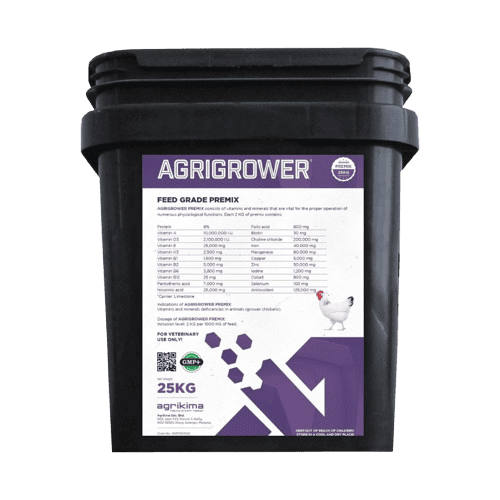
- Consider adding quality veterinary products, such as probiotics and minerals, to enhance overall health.
Conclusion
Preparing and balancing dairy cow feed at home can be a rewarding endeavor for farmers. By understanding dairy nutrition, utilizing the right cow feed ingredients, and following a structured preparation process, you can ensure your dairy cows receive the best nutrition possible. This not only enhances their health but also improves milk production and overall farm profitability.