Homemade Feed for Healthy Sheep and Goats
Making Homemade Feed for Sheep and Goats
Creating your own homemade sheep goat feed can be a rewarding way to ensure your animals receive balanced nutrition tailored to their needs. Sheep and goats are small ruminants that require a diverse diet for optimal health and productivity. In this guide, we will explore essential ingredients and methods for making nutritious feed at home.
Understanding Small Ruminant Nutrition
Small ruminants, such as sheep and goats, have unique dietary requirements. Their diet should consist of:
- High-quality forage
- Concentrates
- Mineral and vitamin supplements
Proper nutrition helps in maintaining good health, improving milk production, and enhancing growth rates. A balanced diet helps prevent diseases and increases resistance to parasites.
Essential Goat Feed Ingredients
When making homemade feed for sheep and goats, consider using the following ingredients:
- Forage: Grass hay, alfalfa, or clover are excellent sources of fiber.
- Grains: Corn, oats, or barley can provide energy.
- Protein sources: Soybean meal or sunflower meal can help meet protein needs.
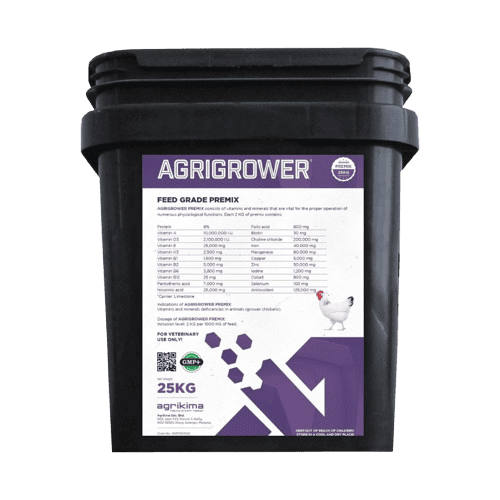
- Minerals: A mineral mix specifically formulated for sheep and goats is essential.
- Vitamins: Supplementing with vitamins A, D, and E can enhance overall health.
Steps to Prepare Homemade Sheep Goat Feed
Follow these steps to create balanced homemade feed for your sheep and goats:
Step 1: Gather Ingredients
Ensure you have all the necessary ingredients on hand. Measure each component based on the number of animals you are feeding and their nutritional requirements.
Step 2: Create a Balanced Recipe
A balanced recipe might look like this:
- 50% forage (hay or pasture)
- 25% grains (corn, oats, barley)
- 15% protein source (soybean meal)
- 10% minerals and vitamins
Adjust the proportions based on the specific needs of your flock.
Step 3: Mixing the Ingredients
In a large container or feed mixer, combine all ingredients thoroughly. Ensure that the mixture is uniform, so each animal receives a balanced diet.
Step 4: Store Properly
Store the homemade feed in a cool, dry place to prevent spoilage. Use airtight containers to keep out moisture and pests.
Feeding Practices for Sheep and Goats
It's important to implement good feeding practices to maximize the benefits of your homemade feed:
- Provide fresh water at all times.
- Feed twice a day to keep energy levels stable.
- Monitor body condition and adjust feed accordingly.
- Observe for any signs of digestive upset or illness.
Importance of Quality Veterinary Products
In addition to homemade feed, consider integrating quality veterinary products and natural health solutions into your management plan. Supplements can help correct deficiencies and improve overall health. Regular veterinary check-ups can also ensure your sheep and goats remain in optimal condition.
Conclusion
Creating homemade sheep goat feed can be simple and cost-effective. By using the right ingredients and following proper feeding practices, you can enhance the health and productivity of your small ruminants. Remember that quality nutrition is key to successful sheep and goat farming.