Making Homemade Feed for Sheep and Goats Guide
Introduction to Homemade Sheep Goat Feed
Feeding sheep and goats a balanced diet is crucial for their health and productivity. With the rising costs of commercial feeds, many farmers are turning to homemade sheep goat feed. This guide will provide you with practical tips for crafting nutritious, cost-effective feed using readily available ingredients.
Understanding Small Ruminant Nutrition
Before we delve into the specifics of homemade feed, it's essential to understand the nutritional needs of small ruminants. Sheep and goats require a balanced diet that includes:
- Carbohydrates for energy
- Proteins for growth and reproduction
- Vitamins and minerals for overall health
By meeting these needs, you can ensure your flock remains healthy and productive.
Key Goat Feed Ingredients
When making homemade feed for sheep and goats, consider incorporating the following ingredients:
- Grains: Corn, barley, and oats are excellent sources of carbohydrates. They provide energy and are often the base of many feed recipes.
- Legumes: Beans and peas are rich in protein and can be included to enhance the protein content of the feed.
- Forage: Fresh grasses, hay, and silage can be a significant part of their diet and provide essential fiber.
- Mineral Supplements: Since sheep and goats have specific mineral requirements, adding a mineral mix can help prevent deficiencies.
- Molasses: This can be used as a binder and energy source, making the feed more palatable.
How to Make Homemade Sheep Goat Feed
Step 1: Gather Your Ingredients
Assemble the ingredients based on the nutritional needs of your sheep and goats. A simple recipe might include:
- 50% grains (corn, oats)
- 30% legumes (soybean meal, peas)
- 20% forage (hay, silage)
- Mineral and vitamin supplements as needed
Step 2: Mix the Ingredients
In a large mixing container, combine the grains, legumes, and forage. Make sure to mix them thoroughly to ensure an even distribution of nutrients.
Step 3: Add Moisture and Binder (if necessary)
If you're using molasses, add it to the mixture to help bind the feed together and increase its palatability. Aim for a consistency that holds together when pressed.
Step 4: Store Properly
Store your homemade feed in a cool, dry place to prevent spoilage. Use airtight containers to keep pests out and maintain freshness.
Feeding Tips and Best Practices
To ensure your sheep and goats receive the full benefits of your homemade feed, consider the following tips:
- Monitor Body Condition: Regularly assess the condition of your animals. Adjust the feed composition based on their health and productivity.
- Introduce New Feeds Gradually: When changing diets, introduce new feeds slowly to prevent digestive upsets.
- Provide Fresh Water: Always ensure that your animals have access to clean, fresh water, as hydration is crucial for digestion.
- Consult a Veterinarian: Regular check-ups and consultations with a veterinarian can help tailor your homemade feed to meet specific needs.
Quality Veterinary Products and Supplements
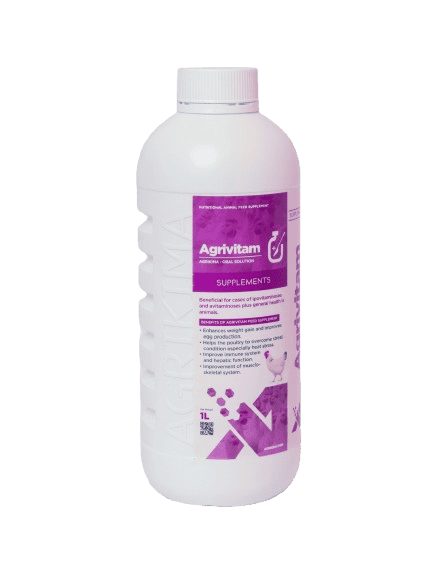
While homemade feed can be an effective solution, incorporating quality veterinary products and supplements can enhance the overall nutrition of your flock. Products such as mineral blocks, probiotics, and vitamins can help address specific deficiencies and improve overall health.
Conclusion
Making homemade sheep goat feed is a practical and economical way to ensure your small ruminants receive the nutrients they need for optimal health. By using locally available ingredients and following best practices, you can create a balanced diet that supports the growth and productivity of your flock. Remember, always monitor your animals' health and consult with veterinary professionals to optimize their nutrition.