Housing and Ventilation Tips to Reduce Pig Respiratory Disease
Understanding Pig Respiratory Disease
Pig respiratory disease is a significant concern for farmers, leading to reduced growth rates and increased mortality. Issues such as pneumonia and swine influenza can arise from poor housing conditions and inadequate ventilation. Thus, implementing effective housing and ventilation strategies is crucial for maintaining the health of your pigs.
Importance of Proper Housing Design
A well-designed pig house can significantly influence the health of your livestock. It is essential to create an environment that promotes good air quality and minimizes stress on the animals. Here are some tips for designing a suitable pig house:
- Open-Sided Structures: Pig houses should ideally be simple, open-sided structures that allow for maximum ventilation. This design enables fresh air to circulate, reducing the likelihood of respiratory diseases caused by stale air.
- Shaded Areas: Ensure your pig house provides adequate shade. A well-designed pig sty should remain cool, even in warm weather, facilitating a comfortable environment for the animals.
- Space Considerations: Allow enough space for each pig to move comfortably. Overcrowding can lead to stress and increase the risk of respiratory issues.
Effective Ventilation Strategies
Ventilation is vital to maintaining pig health, especially in confined spaces. Proper airflow helps remove moisture and odors while introducing fresh air into the environment, which is necessary for pig productivity. Here are some effective ventilation strategies:
- Natural Ventilation: Utilize natural ventilation techniques such as open windows and roof vents. This method allows fresh air to flow freely, promoting better air quality.
- Mechanical Ventilation: If natural ventilation is insufficient, consider installing mechanical ventilation systems. These systems can help control temperature and humidity levels, further reducing the risk of respiratory diseases.
- Air Movement: Create air movement within the pig house to help cool the animals and enhance air quality. This can be achieved through fans or strategic placement of openings.
Managing Moisture and Odors
Excess moisture and odors can lead to a buildup of harmful pathogens, contributing to respiratory diseases. Here are some tips to manage moisture and odors effectively:
- Regular Cleaning: Maintain a strict cleaning schedule for the pig house. Regularly remove manure and bedding to reduce moisture levels, which can harbor harmful bacteria.
- Use of Absorbents: Consider using absorbent materials in the bedding to help control moisture levels and odors effectively.
- Proper Drainage: Ensure that the pig house has proper drainage systems to prevent water accumulation, which can lead to a damp environment.
Temperature Control
Maintaining an optimal temperature within the pig house is crucial for reducing stress and preventing respiratory diseases. Here are some strategies:
- Insulation: Insulate the pig house to retain warmth during colder months and keep it cool during hot weather. This can help maintain a stable temperature, reducing the risk of respiratory problems.
- Cooling Systems: In hot climates, consider installing cooling systems, such as misters or fans, to help regulate temperature and maintain comfort for the pigs.
Supplementing Pig Health
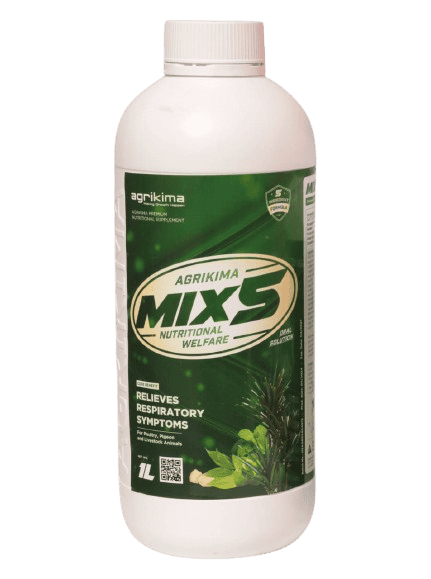
In addition to proper housing and ventilation, consider using quality veterinary products and supplements to support pig health. Natural animal health solutions can play a vital role in enhancing respiratory health and overall well-being.
Conclusion
By implementing effective housing design and ventilation strategies, you can significantly reduce the risk of pig respiratory diseases. Remember, a healthy pig is a productive pig. Regular monitoring and adjustments to your piggery ventilation systems are essential for creating a thriving environment for your livestock.
Your message to the team
Sources: Read More
- Farm structures ... - Ch10 Animal housing: Cattle housing (Pig Housing) — Food and Agriculture Organization (FAO)
- 7. Integrating Animal Husbandry And Fish Farming — Food and Agriculture Organization (FAO)
- Swine Influenza A Virus – Resources & Guidance | APHIS — United States Department of Agriculture (USDA) Animal and Plant Health Inspection Service (APHIS)
- Ventilation and Cooling Systems for Animal Housing – Farm Energy — Farm Energy
- MODERN PIGS URGENTLY NEED FACILITIES WITH MODERN VENTILATION: UPDATING SWINE VENTILATION STANDARDS/GUIDELINES | National Agricultural Library — United States Department of Agriculture (USDA) National Agricultural Library