How to Make Silage at Home for Cattle Feeding
Introduction
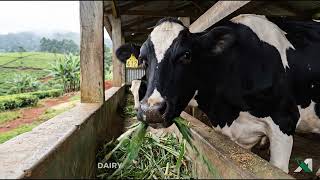
Making silage for cattle is a practical solution for farmers looking to provide quality feed during the dry season. Silage is fermented fodder that retains its nutrients, ensuring that livestock have access to essential food sources even when pasture is scarce. In this guide, we will take you through the steps of making silage at home, particularly focusing on maize silage and the process of fodder fermentation.
Why Make Silage?
Silage is a valuable feed resource for cattle due to its high nutritional content and digestibility. Here are some reasons why making silage is beneficial:
- Cost-effective: Utilizing surplus crops helps reduce feed costs.
- Nutrient-rich: Well-made silage preserves the nutrients of the forage.
- Year-round feed: Provides feed for cattle during the dry season when fresh pasture is limited.
Materials Needed for Silage Making
Before you begin the process of making silage, gather the following materials:
- Fresh maize (or other forage crops)
- Sharp knife or sickle for harvesting
- Chopper or shredder
- Silage bags or a silo
- Weights or heavy stones for pressing
- Plastic sheets (optional, for covering)
Steps for Making Silage at Home
1. Harvesting the Maize
The first step in making silage for cattle is to harvest the maize at the right time. Ideally, maize should be harvested when the grain is at the milk stage, which ensures optimal moisture content.
2. Chopping the Fodder
After harvesting, chop the maize into small pieces (about 1-2 inches). This increases the surface area for fermentation and helps pack the fodder tightly in the storage container.
3. Packing the Silage
Place the chopped maize in your silage bags or silo. Layer the fodder as you pack it, ensuring to compress it tightly to remove as much air as possible. This is crucial for effective fermentation.
4. Fermentation Process
Once packed, cover the silage with plastic sheets or use the bag to seal it completely. Weights or heavy stones can be placed on top to keep it compressed. The fermentation process typically takes 2-3 weeks. During this time, natural lactic acid bacteria will ferment the sugars in the fodder, preserving the silage.
5. Monitoring and Storing Silage
After the fermentation period, check the silage for any signs of spoilage. Well-fermented silage should have a pleasant, sweet smell and a greenish color. Store it in a cool, dry place to maintain its quality.
Tips for Successful Silage Making
- Moisture Content: Aim for a moisture content of around 60-70% for optimal fermentation.
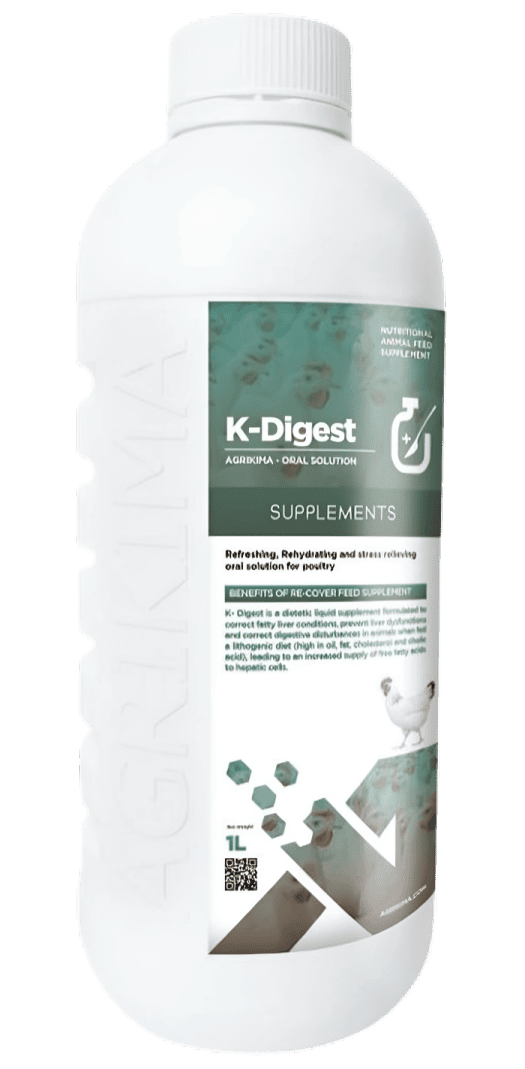
- Use Additives: Consider using quality veterinary supplements that can enhance the fermentation process.
- Regular Checks: Monitor the silage for any signs of spoilage once opened.
Conclusion
Making silage for cattle at home can significantly reduce feed costs and provide essential nutrition during the dry season. By following these steps and tips, farmers can efficiently create high-quality maize silage that will support their cattle's health and productivity. Remember, quality veterinary products and supplements play a vital role in maintaining overall livestock health, ensuring your cattle can thrive on the silage you produce.