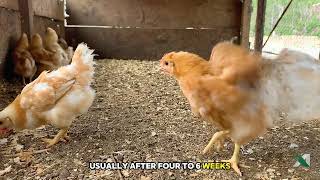
Identify and Treat Fowl Typhoid in Chickens

Understanding Fowl Typhoid
Fowl typhoid is a serious chicken bacterial infection caused by the bacterium Salmonella gallinarum. This disease can lead to significant losses in poultry production, making it essential for farmers to recognize its symptoms and take action swiftly.
Symptoms of Fowl Typhoid
Identifying fowl typhoid early can save your flock. Here are the common symptoms:
- Sudden death in chickens
- Loss of appetite
- Diarrhea, often with a foul smell
- Depression and lethargy
- Swollen abdomen
How Fowl Typhoid Spreads
Understanding how fowl typhoid spreads is crucial in preventing outbreaks. The disease can be transmitted through:
- Contaminated feed and water
- Direct contact with infected birds
- Improper sanitation measures
Fowl Typhoid Treatment
Now that you know the symptoms, here are practical steps for fowl typhoid treatment:
1. Isolate Infected Birds
Immediately separate any sick chickens from the rest of the flock to prevent further spread of the infection.
2. Consult a Veterinarian
It's essential to consult a qualified veterinarian for a proper diagnosis. They can confirm if your chickens are suffering from fowl typhoid and recommend appropriate treatment.
3. Medication
Veterinarians often prescribe antibiotics to treat Salmonella poultry infections. Ensure you administer the full course of medication as directed. Quality veterinary products can significantly enhance recovery.
4. Improve Hygiene Practices
Maintaining cleanliness in your poultry house is crucial. Here are some tips:
- Regularly clean and disinfect feeding and watering equipment.
- Ensure proper waste management to reduce contamination.
- Implement biosecurity measures to prevent the introduction of new infections.
Preventing Fowl Typhoid
Prevention is always better than cure. Here are ways to prevent fowl typhoid in your chickens:
1. Vaccination
Consult your veterinarian about available vaccines that protect against fowl typhoid.
2. Regular Health Checks
Conduct regular health checks on your flock to catch any signs of illness early.
3. Feed Quality Control
Ensure that the feed provided is of high quality and free from contamination. Using quality feed additives can help maintain the health of your flock.
Conclusion
Fowl typhoid is a serious threat to poultry farming. By understanding its symptoms, treatment options, and preventive measures, you can protect your flock effectively. Always consult a veterinarian for the best approach and consider using quality veterinary products and supplements to support your chickens' health.