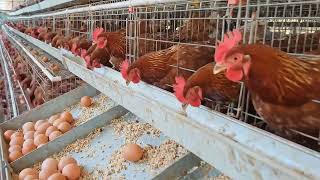
How to Improve Eggshell Quality in Backyard Layers
Understanding Eggshell Quality
Eggshell quality is crucial for poultry farmers, especially those keeping backyard layers. A strong eggshell not only ensures the protection of the egg but also enhances its market value. Weak or thin eggshells can lead to breakage and reduced production, which can be costly for farmers.
Common Causes of Thin Eggshells
Before exploring solutions, it's essential to understand the thin eggshell causes. Thin eggshells can arise from several factors:
- Calcium Deficiency: Calcium is a critical component of eggshells. Insufficient dietary calcium can lead to poor shell quality.
- Heat Stress: High temperatures can negatively impact the ability of layers to produce strong eggshells. Stress can alter calcium absorption and utilization in the body.
- Infection: Diseases, such as Salmonella, can also affect eggshell quality, leading to increased fragility.
- Age of Hens: Older hens may produce eggs with thinner shells compared to younger layers.
How to Improve Eggshell Quality
Improving eggshell quality in backyard layers involves a combination of dietary management, environmental control, and health monitoring. Here are actionable tips to enhance your layers' eggshell quality:
1. Optimize Calcium Intake
Calcium is the most crucial nutrient for strong eggshells. Ensure that your hens receive adequate levels of calcium throughout their laying period. Here are ways to optimize calcium intake:
- Feed Quality Layer Rations: Use specialized layer feeds that have appropriate calcium levels, typically between 3% and 4%.
- Supplement with Oyster Shells: Provide crushed oyster shells as a calcium supplement. This natural source can help maintain calcium levels for optimal shell formation.
- Monitor Calcium Levels: Regularly check the calcium content in your feed and adjust as necessary to prevent deficiencies.
2. Manage Temperature and Stress
Heat stress can severely impact eggshell quality. To mitigate this, consider the following strategies:
- Provide Adequate Shade: Ensure your chickens have access to shaded areas to escape the heat.
- Improve Ventilation: Enhance air circulation in the coop to help keep temperatures down during hot weather.
- Hydration: Ensure your layers always have access to fresh and clean water to help them cope with heat stress.
3. Incorporate Vitamin and Mineral Supplements
Besides calcium, ensuring your layers receive a mix of vitamins and minerals is vital for their overall health and eggshell quality. Consider adding:
- Vitamin D3: This vitamin plays a critical role in calcium metabolism. Supplementing with Vitamin D3 can enhance calcium absorption in layers.
- Phosphorus: Adequate phosphorus levels work in conjunction with calcium for better shell strength.
4. Regular Health Monitoring
Maintaining the health of your flock is essential for ensuring quality eggs. Here’s how to keep your layers healthy:
- Vaccination: Follow a proper vaccination schedule to prevent diseases that can compromise eggshell quality.
- Regular Check-Ups: Monitor your layers for signs of illness or nutritional deficiencies. Early detection can prevent severe impacts on egg production.
- Reduce Stressors: Minimize disturbances during the laying period to prevent stress-related issues.
5. Create a Clean Environment
A clean living environment significantly contributes to the overall health of your chickens. To achieve this, regularly clean the coop and nesting areas to prevent disease and ensure the layers are comfortable.
Conclusion
Improving eggshell quality in backyard layers requires a proactive approach to nutrition, health management, and environmental control. Providing adequate calcium for layers, managing heat stress, and ensuring overall flock health are all critical steps in enhancing egg quality in poultry. By implementing these strategies, you can significantly reduce instances of thin eggshells and ensure a productive and healthy laying flock.
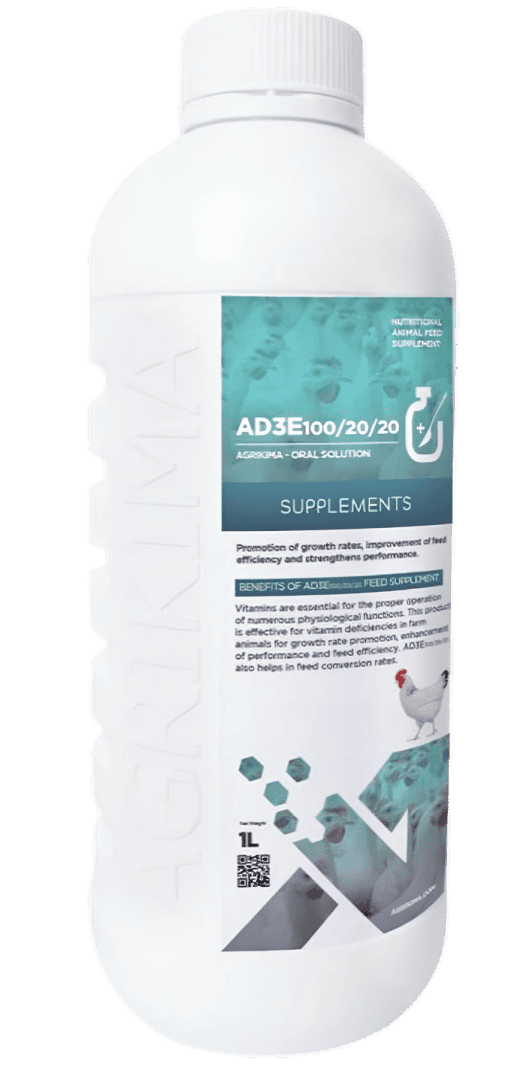
Consider incorporating quality veterinary products and supplements from Agrikima to further support your layers' health and productivity. Investing in their well-being pays off with stronger eggshells and higher egg production.
Your message to the team
Sources: Read More
- Nutritional factors affecting eggshell quality — FAO AGRIS
- Thin egg shells - Ask Extension — Ask Extension
- Salmonella Can Cause Poorer Eggshell Quality — USDA Agricultural Research Service
- Improving eggshell quality — Poultry World
- Practical approaches for optimum egg quality — Poultry World
- Supporting eggshell quality and the economics of egg production — Poultry World