Improving Hatchability and Reducing Dead-in-Shell Rates
Understanding Hatchability and Its Importance
Hatchability refers to the percentage of eggs that successfully hatch into chicks. This is a critical metric for poultry farmers, as it directly impacts productivity and profitability. A low hatch rate can be attributed to various factors, including poor management practices, environmental conditions, and egg handling issues. By focusing on improving hatchability, farmers can enhance their operations and reduce losses associated with dead-in-shell.
Common Causes of Low Hatch Rates
Identifying the underlying issues that contribute to low hatch rates is the first step towards resolution. Here are some common causes:
- Poor Nutrition: The health and nutrition of breeder flocks significantly influence egg quality. A balanced diet rich in essential nutrients is vital for optimal reproductive performance.
- Improper Egg Storage: Eggs should be stored at the right temperature and humidity levels. Poor storage can lead to embryonic mortality.
- Incubation Conditions: Factors such as temperature, humidity, and ventilation during incubation play a crucial role in hatchability. Inadequate ventilation can lead to increased dead-in-shell rates due to insufficient oxygen supply.
- Biosecurity Practices: Implementing strict biosecurity measures can prevent diseases that negatively affect hatchability.
Improving Hatchability: Practical Tips
By addressing the causes of low hatch rates, farmers can enhance hatchability and reduce dead-in-shell occurrences.
1. Optimize Nutrition for Breeder Flocks
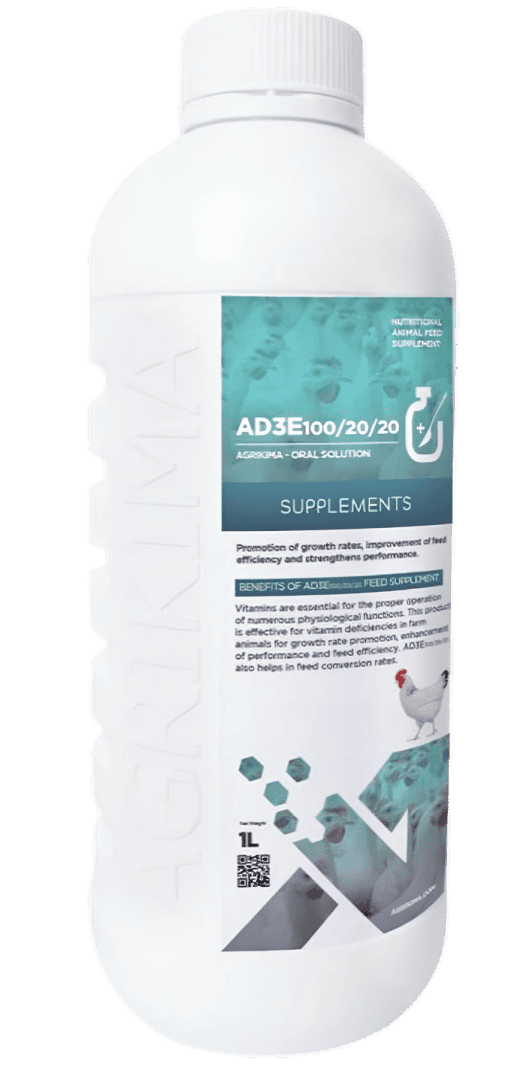
Provide a well-balanced diet for your breeder flocks. Focus on high-quality feed that contains the necessary vitamins and minerals. Supplementing with natural products from Agrikima can further enhance the health of your breeders, leading to better egg quality.
2. Maintain Proper Egg Handling Practices
Implement best practices for egg handling:
- Store eggs at a consistent temperature of around 55°F (13°C) and humidity levels of 70% to 80% prior to incubation.
- Avoid exposing eggs to sudden temperature changes, which can lead to cracks and reduced viability.
- Handle eggs gently during transportation to minimize damage.
3. Control Incubation Conditions
Ensure optimal incubation conditions by:
- Maintaining incubation temperatures between 99°F and 102°F (37°C to 39°C) for chicken eggs.
- Regularly checking humidity levels and keeping them around 50% to 55% for most of the incubation period, adjusting as needed during the hatching phase.
- Ensuring adequate ventilation to provide a continuous supply of oxygen and remove carbon dioxide, which is crucial for embryo development.
4. Implement Biosecurity Measures
Protect your hatchery from diseases by establishing strong biosecurity protocols. This includes:
- Regular cleaning and disinfection of incubation equipment.
- Limiting access to the hatchery and ensuring all visitors follow strict hygiene standards.
- Monitoring flock health and promptly addressing any signs of illness.
5. Monitor the Hatch Window
Understanding the hatch window is essential for timing interventions effectively. The hatch window is the period during which eggs are expected to hatch. Monitoring this can help you:
- Identify any deviations from expected hatch times, which may indicate underlying issues.
- Ensure that chicks are not left in the incubator too long post-hatch, which can lead to dehydration and increased mortality.
Utilizing Veterinary Products and Supplements
Incorporating quality veterinary products and supplements can further enhance hatchability. Consider using:
- Probiotics: These can improve gut health and overall vitality in chicks.
- Mineral Supplements: Essential for proper development and growth of embryos.
- Stress-reducing additives: Help maintain breeder health and reduce egg stress during handling.
Conclusion
Improving hatchability and reducing dead-in-shell occurrences are critical for maximizing the productivity of poultry farming. By focusing on proper nutrition, egg handling, incubation conditions, biosecurity measures, and monitoring hatch windows, farmers can significantly enhance their hatch rates. Integrating quality products from Agrikima into your practices can further support these efforts, leading to healthier flocks and increased profitability.
Your message to the team
Sources: Read More
- Factors Affecting Hatchability in Poultry — Purdue University Extension
- Hatchery Management Guide — Cobb-Vantress
- Improving Hatchability in Poultry — Food and Agriculture Organization (FAO)
- Hatchability Problems: Causes and Solutions — The Poultry Site
- Hatchery Management for Disease Prevention — Iowa State University Center for Food Security and Public Health