How to Increase Egg Production in Layers Effectively
Introduction
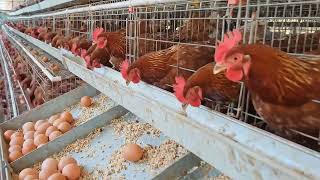
Egg production is a crucial part of poultry farming in Kenya. For farmers looking to increase egg production layers, understanding the right practices in poultry nutrition and layer feed is essential. This blog post will guide you through practical tips to enhance egg production in your laying hens.
Understanding Poultry Nutrition
Poultry nutrition plays a significant role in the productivity of laying hens. The right balance of nutrients helps layers produce more eggs consistently. Here are the key nutritional components:
- Protein: Essential for the development of egg white and yolk. Aim for a protein content of 16-18% in layer feed.
- Calcium: Important for strong eggshells. Ensure your layers have access to calcium supplements or feed containing about 3-4% calcium.
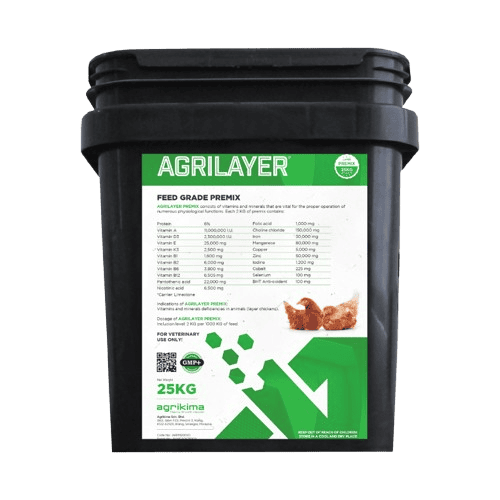
- Vitamins: Vitamins A, D, and E are crucial for overall health and egg production. Consider quality veterinary products that provide these vitamins.
- Energy: Layers need adequate energy from carbohydrates and fats to maintain egg production rates.
Choosing the Right Layer Feed
The type of layer feed you provide can significantly impact your hens' egg production. Here are some tips:
1. Use Quality Layer Feed
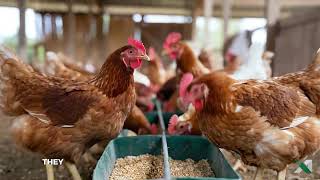
Select high-quality layer feed formulated for laying hens. Look for feeds that meet the nutritional requirements for layers, ensuring they are well-balanced and appropriate for their age.
2. Regular Feeding Schedule
Establishing a regular feeding schedule can help maintain consistent egg production. Feed your layers at the same times each day to create a routine.
3. Fresh Water Supply
Provide constant access to clean, fresh water. Dehydration can lead to reduced egg production.
Environmental Factors Affecting Egg Production
The environment in which your layers are kept also plays a crucial role in their productivity. Here are some considerations:
1. Proper Housing
Ensure your hens have adequate space, ventilation, and protection from extreme weather conditions. Overcrowding can lead to stress and reduced egg production.
2. Lighting Conditions
Layers require a certain amount of light to stimulate egg production. Aim for 14-16 hours of light per day. This can be achieved through natural light or artificial lighting in the coop.
Health Management in Layers
Maintaining the health of your layers is vital for consistent egg production. Here's how:
1. Vaccination and Disease Control
Regular vaccinations and health checks can prevent outbreaks of diseases that affect egg production. Consult your veterinarian for a vaccination schedule.
2. Quality Veterinary Products
Incorporate quality veterinary products and supplements to boost immunity and overall health. This can help counteract stressors and improve egg-laying performance.
Behavioral Considerations
Understanding the behavior of your layers can also help in improving production. Here are some tips:
1. Reduce Stress
Minimize disturbances in the coop. Stressful environments can lead to a decrease in egg production. Handle your layers gently and avoid loud noises around them.
2. Social Interactions
Layers are social animals. Keeping them in groups can help reduce stress and promote natural behaviors that support egg production.
Monitoring and Adjusting Practices
To effectively increase egg production layers, it's essential to monitor your flock's performance and be adaptable:
1. Record Keeping
Keep detailed records of egg production, feed consumption, and overall health. This information can help you identify patterns and make informed decisions.
2. Be Flexible
If you notice a drop in egg production, evaluate your practices and make necessary adjustments. This could involve changing feed, improving housing, or consulting a veterinarian.
Conclusion
Increasing egg production in layers requires a holistic approach that includes proper poultry nutrition, quality layer feed, and effective health management. By implementing the tips outlined in this article, Kenyan farmers can significantly improve their egg farming practices and achieve better results. Remember, quality veterinary products and supplements are valuable tools in this journey.