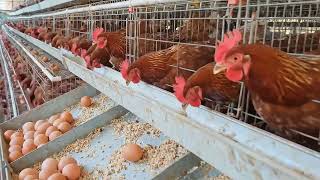
Infectious Bronchitis in Layers: Symptoms and Solutions

Understanding Infectious Bronchitis in Layers
Infectious bronchitis (IB) is a highly contagious viral disease affecting poultry, particularly layers. This disease can severely impact egg production and quality, leading to significant economic losses for farmers. The primary symptoms of infectious bronchitis in layers include wrinkled eggs, watery egg albumen, and a noticeable drop in overall production.
Symptoms of Infectious Bronchitis
Hens infected with the infectious bronchitis virus often exhibit several alarming symptoms:
- Wrinkled Eggs: One of the most visible signs of IB in layers is the production of misshapen or wrinkled eggs. This is due to damage to the shell gland, which is responsible for forming the eggshell.
- Watery Egg Albumen: Another common symptom is the thinning of the egg whites, resulting in watery albumen. This occurs when the reproductive system is infected, leading to glandular hypoplasia.
- Reduced Egg Production: Egg production can drop dramatically, sometimes by as much as 70%, during an outbreak of infectious bronchitis.
- Quality Issues: In addition to wrinkles and watery albumen, eggs may also have thin, soft, or rough shells, making them less marketable.
Impact on Egg Production
The consequences of infectious bronchitis on layers extend beyond the immediate symptoms. Egg production rates can be severely affected, and while some birds may partially recover over time, egg quality often does not return to normal. Farmers may notice a persistent decline in both quantity and quality of eggs, which can lead to financial strain.
Preventive Measures and Management
Managing infectious bronchitis in layers requires a multifaceted approach:
1. Vaccination
One of the most effective ways to combat infectious bronchitis is through vaccination. The IB vaccine for poultry can help build immunity in your flock, significantly reducing the risk of infection. Consult with your veterinarian to determine the best vaccination schedule for your layers.
2. Biosecurity Practices
Implementing strict biosecurity measures is crucial. Here are some practical tips:
- Limit access to poultry houses to essential personnel only.
- Regularly disinfect equipment and vehicles that come into contact with your flock.
- Isolate new birds before introducing them to the existing flock to prevent the spread of disease.
3. Monitoring Flock Health
Regularly monitor the health of your flock for any signs of respiratory distress or changes in egg production. Early detection can help manage outbreaks more effectively. Keep accurate records of egg production and any health issues observed in your layers.
4. Nutritional Support
Providing high-quality nutrition is essential for maintaining the health of your layers. Consider incorporating veterinary supplements and natural health solutions to support their immune systems. A well-balanced diet can help your hens better cope with stress and disease challenges.
Dealing with Infection: What to Do
If you suspect an infection in your flock, immediate action is necessary:
- Isolate affected birds to prevent the spread of the virus.
- Consult a veterinarian for diagnostic tests and treatment options.
- Ensure that your flock continues to receive proper nutrition and hydration during recovery.
Conclusion
Infectious bronchitis in layers can lead to wrinkled eggs, watery egg albumen, and significant losses in production. However, with proactive management, including vaccination, strict biosecurity measures, and nutritional support, farmers can mitigate the impact of this disease. Stay vigilant and consult with veterinary professionals to keep your flock healthy and productive.
Your message to the team
Sources: Read More
- Infectious Bronchitis and Its Effect on Egg Production and Egg Quality — UF/IFAS Extension, University of Florida
- Infectious Bronchitis in Commercial Chickens — Mississippi State University Extension Service
- Infectious Bronchitis in Chickens – Merck Veterinary Manual — Merck Veterinary Manual
- Infectious Bronchitis in Poultry — University of Kentucky Poultry Extension
- Avian Viruses that Impact Table Egg Production — Peer‑reviewed article in PMC (Avian Viruses…)
- Defective or Abnormal Eggs in Poultry — Merck Veterinary Manual