Infectious Coryza in Chickens: Spotting Symptoms Early
Understanding Infectious Coryza in Chickens
Infectious coryza is an acute respiratory disease affecting chickens, primarily caused by the bacterium Haemophilus paragallinarum. This disease can lead to serious health issues within your flock if not detected early. Understanding the symptoms and early signs can help you act quickly to safeguard your chickens' health.
Identifying Symptoms of Infectious Coryza
The most noticeable symptoms of infectious coryza in chickens include:
- Swollen Face: One of the hallmark signs of infectious coryza is facial swelling, particularly around the eyes and wattles. If you notice a swollen face in your chickens, it is critical to investigate further.
- Nasal Discharge: A clear or cloudy discharge from the nostrils is also a common symptom. This discharge can be quite noticeable and may lead to crusting around the beak.
- Conjunctivitis: Infected chickens may exhibit signs of conjunctivitis, leading to red, swollen eyes and sometimes a watery discharge.
- Reduced Egg Production: In laying hens, a significant drop in egg production may occur, which can be a signal that something is amiss.
Why Early Detection is Crucial
Detecting infectious coryza early can save you from larger losses. The disease can spread quickly within a flock, causing not just health issues but also economic losses due to reduced egg production and potential culling of affected birds. Early identification allows for timely treatment and management strategies, preserving both flock health and productivity.
Coryza Treatment for Poultry
Once you identify signs of infectious coryza, it is crucial to take action. Here are some recommended treatment approaches:
- Consult a Veterinarian: If you suspect infectious coryza in your flock, consult a veterinarian for a proper diagnosis and treatment plan. They may recommend antibiotics to manage the bacterial infection.
- Improve Biosecurity Measures: Implement strict biosecurity measures to prevent the spread of the disease. This includes isolating affected birds, sanitizing equipment, and restricting movement between flocks.
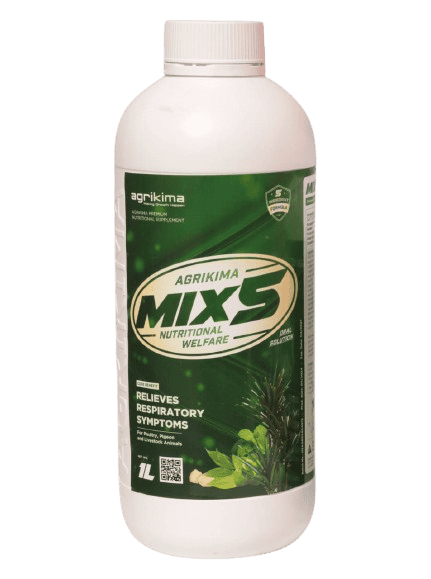
- Provide Quality Nutrition: Feeding your chickens high-quality feed and supplements can help boost their immune system, aiding their recovery. Agrikima offers a range of natural animal health solutions and supplements that can support poultry health.
Managing the Environment
Creating a healthy environment for your chickens is also essential in managing infectious coryza. Consider the following tips:
- Maintain Cleanliness: Regularly clean and disinfect poultry houses to minimize bacterial load.
- Ensure Proper Ventilation: Good airflow can help reduce respiratory problems. Ensure your poultry housing is well-ventilated to prevent moisture buildup and improve air quality.
- Monitor for Stress: Stress can exacerbate symptoms of infectious coryza. Manage flock stress through proper handling, nutrition, and minimizing overcrowding.
Conclusion
Infectious coryza in chickens is a serious condition that can lead to significant health issues if not identified and managed early. By being vigilant for symptoms such as swollen faces and nasal discharge, you can take timely action. Collaborate with your veterinarian for effective treatment and ensure your flock has access to quality nutrition and a healthy living environment. Agrikima’s veterinary products and supplements can play a crucial role in maintaining the health of your poultry and enhancing their recovery.
Your message to the team
Sources: Read More
- INFECTIOUS CORYZA IN POULTRY — Poultry Extension
- Infectious Coryza - Poultry - Merck Veterinary Manual — Merck Veterinary Manual
- Infectious Coryza in Chickens: Signs, Treatment & Prevention — PoultryDVM
- Haemophilus paragallinarum from infectious coryza chickens — FAO AGRIS
- Infectious Coryza Modelling in Chickens Using Indonesian Avibacterium paragallinarum Isolates — FAO AGRIS