Understanding KEBS Feed Manufacturing Standards in Kenya
Introduction
In Kenya, the feed manufacturing industry plays a crucial role in supporting the agricultural sector. The Kenya Bureau of Standards (KEBS) sets forth regulations that ensure the quality and safety of animal feeds. Understanding the KEBS feed manufacturing standards Kenya is vital for feed manufacturers aiming to comply with national regulations and provide high-quality products to farmers.
Importance of KEBS Standards
KEBS standards are designed to:
- Ensure safety and quality of animal feeds.
- Protect consumers from harmful substances.
- Promote fair competition in the feed industry.
- Facilitate trade both locally and internationally.
Key KEBS Standards for Feed Manufacturing
Feed manufacturers in Kenya must adhere to specific standards, which include:
- Quality Control: Manufacturers are required to implement a quality assurance system that includes regular testing of raw materials and finished products.
- Labeling Requirements: All feed products must have clear labeling that includes nutritional information, ingredients, and usage instructions.
- Hygiene Standards: Facilities must maintain high hygiene levels to prevent contamination, including proper waste management systems.
- Traceability: Manufacturers must ensure that all ingredients can be traced back to their source, enhancing transparency in the supply chain.
Feed Mill Licensing in Kenya
Obtaining a feed mill license is a critical step for any manufacturer. This process involves several key steps:
1. Application Process
Feed manufacturers must submit an application to KEBS, providing detailed information about the business, including:
- Business registration documents.
- Facility layouts and equipment used.
- Details of the quality control measures in place.
2. Inspection
Upon receiving the application, KEBS officials will conduct an inspection of the manufacturing facility. They will assess:
- Compliance with hygiene and safety standards.
- Proper storage and handling of raw materials.
- Adherence to the quality control protocols.
3. Issuance of License
If the facility meets all regulatory requirements, KEBS will issue a license, allowing the manufacturer to commence production legally. Regular audits will follow to ensure ongoing compliance with animal feed regulation.
Compliance in the Feed Industry
Compliance with KEBS standards is not just about obtaining a license; it’s about ensuring the integrity of the feed produced. Here are some best practices for maintaining compliance:
1. Regular Training
Training staff on quality control processes and safety regulations is essential. Continuous education helps in understanding the importance of compliance and reduces the risk of violations.
2. Quality Assurance Programs
Implementing a robust quality assurance program ensures that products meet the required standards consistently. This includes:
- Regular testing of raw materials and final products.
- Documenting all quality control measures undertaken.
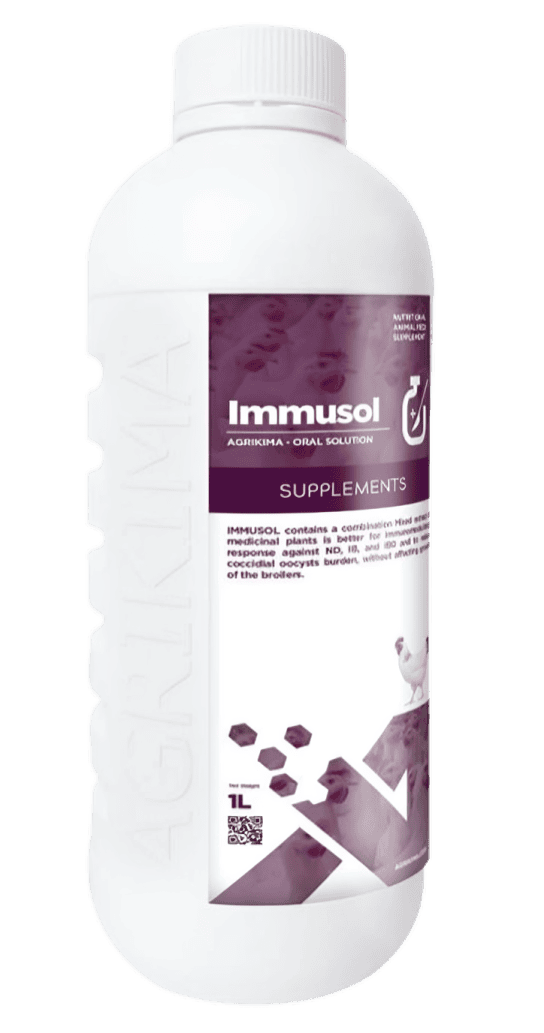
- Using quality veterinary products and supplements to maintain animal health, thus enhancing feed effectiveness.
3. Keeping Updated with Regulations
The feed industry is subject to changes in regulations. Manufacturers should stay informed about any changes in KEBS standards and ensure their operations are aligned accordingly.
The Benefits of Compliance
Complying with KEBS feed manufacturing standards Kenya brings several advantages:
- Market Access: Compliance opens doors to both local and international markets.
- Consumer Trust: Adhering to high standards fosters consumer confidence in the products.
- Quality Products: Ensures that the feed produced is safe and nutritious for animals, leading to better health outcomes.
Conclusion
Understanding and adhering to KEBS feed manufacturing standards Kenya is essential for all feed manufacturers in Kenya. By following these guidelines, manufacturers can ensure the production of safe and high-quality feed, thereby supporting the agricultural sector and contributing to the overall well-being of livestock. Regular engagement with KEBS and staying updated with animal feed regulation will help foster a compliant and successful feed industry.