Keeping Practical Pig Production Records
Introduction to Pig Record Keeping
In the world of pig farming, effective record keeping is crucial for enhancing productivity and managing your operations efficiently. Pig record keeping involves maintaining detailed accounts of various aspects of pig production, which can benefit farmers in multiple ways.
The Importance of Piggery Records
Keeping piggery records allows farmers to track their performance over time, identify trends, and make informed decisions. By documenting everything from feeding schedules to health checks, farmers can improve their overall management practices.
Types of Records to Maintain
- Production Records: Document the number of pigs born, weaned, and sold, along with their growth rates. This helps track sow productivity and overall herd health.
- Financial Records: Keep track of expenses related to feed, veterinary services, and other operational costs. Understanding your financials will help in budgeting and forecasting profits.
- Health and Treatment Records: Note any diseases, treatments administered, and vaccination schedules. This is essential for managing animal health and ensuring compliance with regulations.
Implementing Effective Pig Performance Targets
Setting pig performance targets is vital for measuring success. Define clear, achievable goals based on your production records. For instance, aim for a specific number of piglets weaned per sow per year or target average daily weight gain.
Utilizing Technology for Record Keeping
With advancements in technology, many farmers are turning to computerized systems for record keeping. These systems can streamline processes and provide immediate access to vital information. According to a study, a computerized recording system enables easier management and statistical analysis of pig data.
Best Practices for Keeping Records
Here are some practical tips for effective pig record keeping:
- Consistency is Key: Make it a habit to update your records daily or weekly to ensure accuracy.
- Standardized Terminology: Use consistent terms and categories to avoid confusion. This is especially important when sharing records with advisors or veterinary services.
- Review Regularly: Schedule regular reviews of your records to identify trends or issues that need addressing.
- Engage with Advisory Services: Collaborate with agricultural advisors to improve your record keeping and farm performance.
Benefits of Good Record Keeping
Maintaining detailed records can lead to several benefits, including:
- Improved Decision Making: Access to comprehensive data allows for better management decisions.
- Enhanced Productivity: Tracking sow productivity and pig growth can help in maximizing output and profitability.
- Health Management: Keeping accurate health records minimizes disease outbreaks and improves animal welfare.
Conclusion
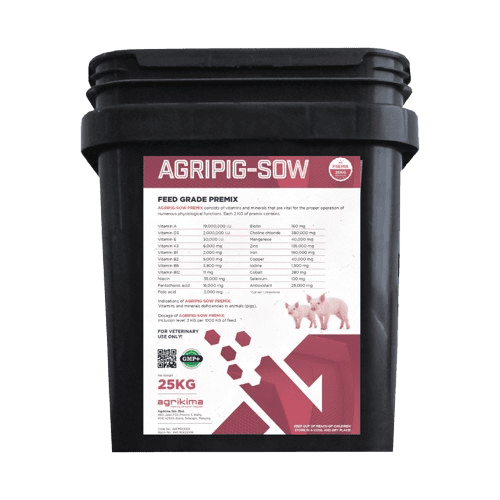
Incorporating effective pig record keeping practices into your farming routine can significantly enhance your operation's efficiency and productivity. By maintaining thorough piggery records and setting clear performance targets, you can ensure the long-term success of your pig farming venture. Don't forget to utilize quality veterinary products and supplements to support the health and growth of your pigs, making record keeping not just a task, but a pathway to improved farm management.
Your message to the team
Sources: Read More
- 84 What Does “Found Dead” Mean? Tools for Better Record Keeping — Journal of Animal Science
- 2.9. Record keeping — Food and Agriculture Organization (FAO)
- Pig carcass tail lesions: the influence of record keeping through an advisory service and the relationship with farm performance parameters — Animal
- Computerised recording system for an experimental pig herd — Computers and Electronics in Agriculture
- 4-H Swine Record Book 2 — University of Florida George A. Smathers Libraries
- Record Pig Crop driven by Record Pigs per Litter — University of Minnesota