Kidding and Lambing: Essential First 48 Hours Checklist
Kidding and Lambing: A Checklist for the First 48 Hours
The first 48 hours after a goat or sheep gives birth are crucial for the health and survival of the newborn kids and lambs. Proper care during this period can set the foundation for a strong, healthy future. Below, we provide a kidding lambing checklist that farmers can follow to ensure the best outcomes for their livestock.
1. Immediate Post-Birth Care
- Ensure Proper Breathing: After birth, check that the newborn kid or lamb is breathing well. Clear any mucus from their mouth and nose to help them breathe freely.
- Colostrum Intake: It is vital that newborn kids and lambs receive colostrum within the first hour after birth. This first milk is rich in antibodies that provide essential immunity against diseases. Aim for a minimum of 10% of the newborn's body weight in colostrum during the first 12 hours.
- Navel Disinfection: Disinfect the navel with iodine or a similar antiseptic to prevent infections. This step is crucial as it helps reduce the risk of septicemia in newborns.
2. Nutrition and Hydration
- Monitor Feeding: Ensure that the kids and lambs are nursing properly. If they are not nursing within the first few hours, you may need to assist them or use a bottle with colostrum substitute.
- Provide Quality Feed: For mothers, provide high-quality feed that is rich in nutrients. This will ensure they produce abundant milk for their young.
3. Environmental Considerations
- Safe and Clean Housing: Provide a clean, dry, and safe environment for the newborns. Ideal housing should protect them from harsh weather conditions and predators.
- Temperature Regulation: Keep the environment warm, especially if the weather is cold. Newborns cannot regulate their body temperature well, so ensure they are kept warm, using heat lamps if necessary.
4. Health Monitoring
- Watch for Signs of Distress: Monitor the kids and lambs for any signs of distress or illness. Look out for abnormal behaviors such as shivering, lack of appetite, or lethargy.
- Veterinary Check: Consider scheduling a veterinary check within the first 48 hours to assess the health of the mother and her offspring. Regular health checks can help catch any issues early.
5. Vaccination and Supplements
- Pre-Birth Vaccinations: Ensure that pregnant goats and sheep have received their vaccinations 4-6 weeks prior to kidding and lambing. This includes vaccines for Clostridium perfringens and selenium supplementation if necessary.
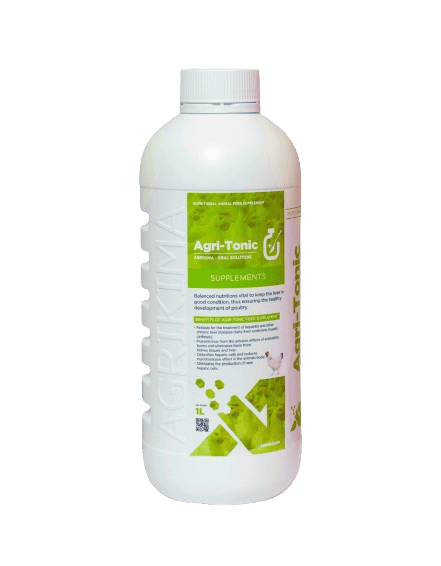
- Post-Birth Supplements: Consider using supplements designed for new mothers to enhance their health and milk production. Products that contain essential vitamins and minerals can promote better recovery and health in both the mother and her young.
6. Record Keeping
Keep detailed records of each birth, including the date, time, and health status of both the mother and offspring. This will help you track their development and health over time.
Conclusion
The first 48 hours after kidding and lambing are critical for ensuring the survival and health of your newborn kids and lambs. By following this kidding lambing checklist, you can provide the best possible start for your livestock. Remember, early intervention and proper care can make all the difference in their long-term health and productivity.
For quality veterinary products and supplements that support your livestock during this crucial time, consider exploring Agrikima's range of natural animal health solutions.
Your message to the team
Sources: Read More
- Lamb and kid care: The first 48 hours — Virginia Cooperative Extension
- Four Steps to Prepare for Small Ruminant Kidding and Lambing — Ohio State University Extension
- Lambing and Kidding Cheat Sheet for Beginning Small Ruminant Producers — North Carolina State Extension
- Newborn Kid Care — Penn State Extension
- Goat Production: Care and Management of Newborn Kids — Ohio State University Extension
- Common Problems with Newborn Lambs and Kids — Cornell Cooperative Extension