Using Kitchen and Farm Waste to Supplement Pig Feed
Introduction
Pig farming in Kenya can be a rewarding venture, but the cost of feed often poses a significant challenge. With the rising prices of commercial feed, many farmers are turning to alternative sources to supplement their pig feed. One effective solution is utilizing kitchen and farm waste. This approach not only reduces feeding costs but also promotes sustainable farming practices.
Understanding Kitchen and Farm Waste
Kitchen waste includes food scraps and leftovers from households and restaurants, while farm waste encompasses by-products from agricultural activities, such as crop residues and manure. Both types of waste can be valuable resources for pig feed.
The Benefits of Using Kitchen Waste as Pig Feed
- Cost-Effectiveness: Using kitchen waste significantly reduces piggery cost. Instead of purchasing expensive feed, farmers can repurpose what would otherwise be discarded.
- Nutritional Value: Many kitchen scraps, such as vegetable peels, fruit leftovers, and grains, are rich in carbohydrates, vitamins, and minerals, which are essential for pig growth.
- Waste Reduction: Utilizing kitchen waste aids in waste management, contributing to a cleaner environment.
Types of Kitchen Waste Suitable for Pig Feed
Farmers should be mindful of the types of kitchen waste they use. Here are some suitable options:
- Vegetable Scraps: Peels, stems, and leaves can be mixed into pig feed.
- Fruit Leftovers: Overripe or damaged fruits provide essential sugars and can be an excellent treat for pigs.
- Grain By-Products: Leftover grains from brewing or milling can be nutritious and energy-rich.
- Cooked Food: Leftover cooked food can be included, but it’s essential to avoid anything that is spoiled or contains harmful ingredients.
Farm Waste Swine: Utilizing Agricultural By-Products
Farm waste swine refers to the practice of integrating agricultural by-products into pig rations. This approach can also significantly lower costs while ensuring a balanced diet for pigs.
Examples of Farm Waste for Pig Feed
- Crop Residues: Stalks, leaves, and husks from crops like maize and beans can be chopped and included in pig feed.
- Manure: While not a direct feed, properly composted manure can enhance soil health, resulting in better forage crops for pigs.
- Silage: Fermented silage from crops can be an excellent source of nutrition, especially during dry seasons.
Tips for Implementing Kitchen and Farm Waste in Pig Feed
1. Ensure Safety and Quality
Always inspect kitchen waste for spoilage. Avoid feeding pigs moldy or rotten food, as this can harm their health. Additionally, ensure that any farm waste is clean and free from pesticides or harmful chemicals.
2. Balance the Diet
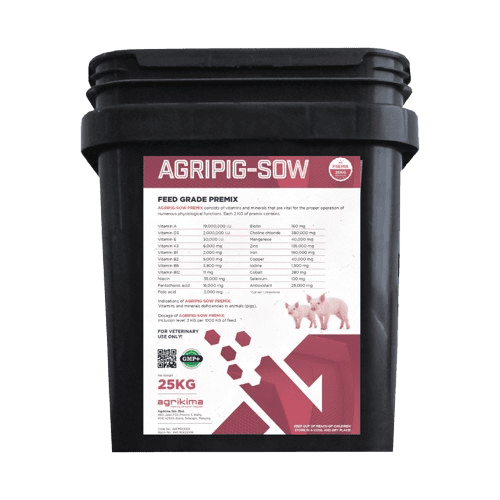
While kitchen and farm waste can provide substantial nutrition, it’s important to ensure a balanced diet. Supplement these waste products with quality veterinary products and supplements to meet the nutritional needs of pigs, particularly in vitamins and minerals.
3. Fermentation for Enhanced Nutrition
Consider fermenting kitchen waste before feeding it to pigs. Fermentation enhances the digestibility of feed and can improve gut health, resulting in better growth rates and feed efficiency.
4. Gradual Introduction
Introduce kitchen and farm waste gradually into the pig’s diet. Sudden changes can lead to digestive issues. Monitor the pigs for any adverse reactions and adjust the feed accordingly.
5. Record Keeping
Keep detailed records of feed types and quantities fed to pigs. This helps in evaluating the impact of using kitchen waste on growth rates and overall health.
Challenges and Considerations
While using kitchen and farm waste can be beneficial, farmers should also consider potential challenges:
- Consistency: The availability of kitchen waste can fluctuate, making it hard to maintain a consistent diet.
- Contamination Risks: Improperly handled waste can introduce pathogens. Always ensure good hygiene and handling practices.
- Nutritional Imbalances: If not properly managed, kitchen waste can lead to imbalances in nutrients.
Conclusion
Using kitchen waste pig feed in Kenya is a practical approach to achieve low-cost pig feeding and enhance farm sustainability. By creatively repurposing kitchen and farm waste, farmers can contribute to their pigs' health while reducing overall costs. However, it is crucial to maintain proper feeding practices and incorporate veterinary products to ensure the pigs receive complete nutrition. This innovative method not only benefits the farmers economically but also promotes a healthier environment.