Layer Feed Preparation Guide for Small-Scale Farmers
Introduction
Small-scale poultry farming can be a rewarding venture, especially when it comes to egg production. Proper nutrition is crucial for layers to ensure they produce high-quality eggs consistently. This layer feed preparation guide will provide you with essential tips on how to create effective homemade layer feed that meets the nutritional needs of your birds.
Understanding Egg Production Nutrition
The nutritional requirements of laying hens differ significantly from those of other poultry or livestock. Ensuring they receive the right balance of nutrients will not only maximize egg production but also enhance the overall health of your flock.
Key Nutrients for Layers
- Protein: Essential for egg formation; aim for at least 16-18% crude protein.
- Calcium: Vital for strong eggshells; layers require about 3-4 grams of calcium daily.
- Phosphorus: Works with calcium to support bone health; ensure a balanced ratio.
- Vitamins: A, D3, and E are crucial for immune function and overall health.
- Energy: Carbohydrates and fats provide the necessary energy for egg-laying activities.
Homemade Layer Feed Recipe
Creating your own layer feed is not only cost-effective but also allows you to control the quality of the ingredients. Here's a simple layer pellet recipe that you can prepare at home:
Ingredients
- 40% Corn (ground)
- 20% Soybean Meal (or any other protein source)
- 20% Wheat Bran
- 10% Limestone (for calcium)
- 5% Fish Meal (for additional protein and minerals)
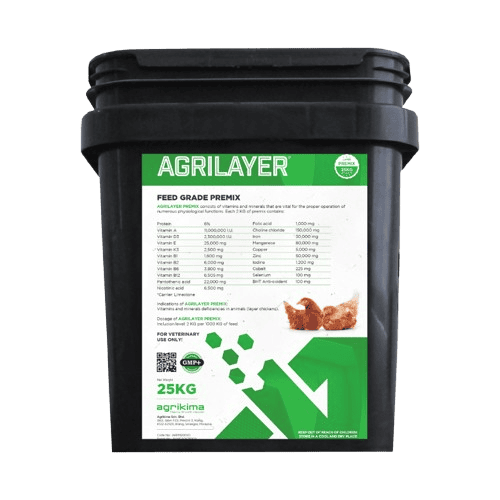
- 5% Vitamin and Mineral Premix (ensure it’s specific for layers)
Preparation Steps
- Grind all grains using a feed mill or a grinder.
- Mix all the dry ingredients thoroughly in a large container.
- If using a pellet mill, add a small amount of water to form pellets.
- Allow the pellets to dry completely before storage.
Feeding Guidelines
Once your homemade layer feed is ready, it’s crucial to follow some feeding guidelines to ensure optimal egg production:
Daily Feeding
Provide a constant supply of feed, allowing the hens to eat throughout the day. Typically, each layer will consume about 110-120 grams of feed daily.
Water Supply
Always ensure that your layers have access to clean, fresh water. Hydration is essential for egg production and overall health.
Adjusting Rations
Monitor the hens' health and egg production. If you notice a decline, consider adjusting the feed composition or consulting with a veterinarian for specific health solutions.
Benefits of Quality Veterinary Products and Supplements
In addition to a balanced diet, incorporating quality veterinary products and supplements can significantly enhance the health and productivity of your layers. Products enriched with probiotics can improve gut health, while specific vitamins and minerals can fortify egg quality.
Conclusion
By following this layer feed preparation guide, small-scale farmers can ensure their laying hens receive the necessary nutrition for optimal egg production. Remember, the key to successful poultry farming lies in understanding their dietary needs and providing balanced, high-quality feed. With commitment and the right practices, you can enjoy the benefits of increased egg production and healthier birds.