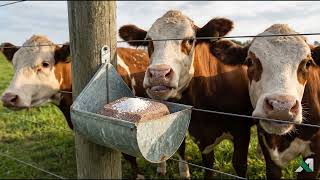
Liver Fluke in Sheep and Goats: Understanding and Control
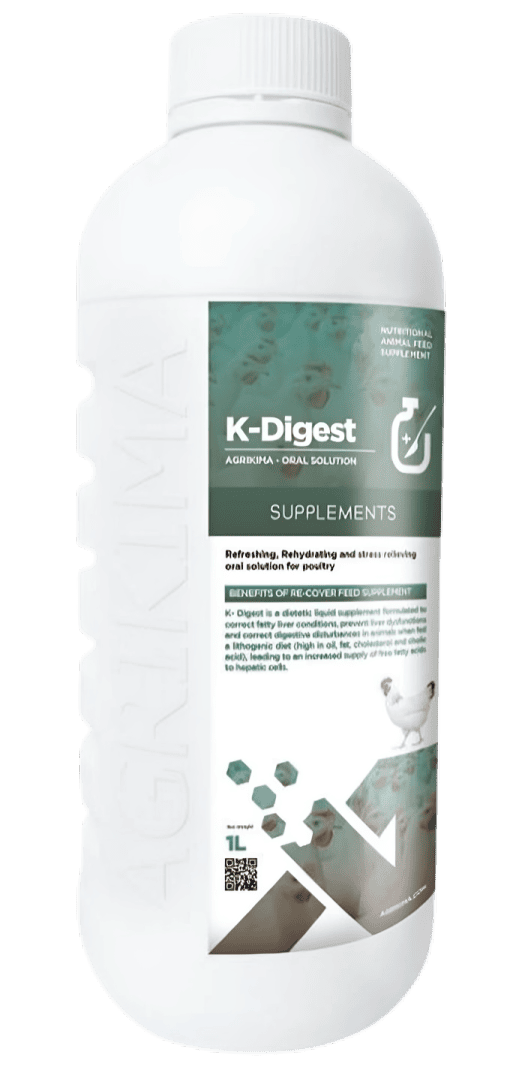
Understanding Liver Fluke in Sheep and Goats
Liver fluke is a significant health concern for sheep and goats, primarily caused by the parasite Fasciola hepatica. This parasite infests the liver, leading to severe health issues and even death if not managed properly. Farmers must be vigilant, especially in areas with wet grazing conditions that promote the growth of snails, the intermediate hosts for liver fluke.
The Risks of Wet Grazing
Wet grazing areas are optimal environments for snails, where liver fluke larvae can thrive. The presence of these snails increases the risk of infection for grazing animals. Sheep and goats are particularly vulnerable, especially when they are allowed to graze in wet pastures during peak snail activity periods.
To mitigate this risk, farmers should:
- Restrict grazing in wet areas, especially during wet seasons.
- Implement rotational grazing to reduce exposure to infected pastures.
- Regularly check pastures for snail populations and reduce their habitats.
Identifying Bottle Jaw
One of the most visible symptoms of liver fluke infection in sheep and goats is bottle jaw. This condition is characterized by swelling under the jaw, resulting from fluid accumulation due to liver damage caused by the fluke. The liver's compromised ability to produce albumin leads to this condition, which can severely affect the animal's health.
Other signs of liver fluke infection include:
- Weight loss and poor body condition (ill-thrift).
- Reduced milk production in lactating animals.
- Behavioral changes, such as lethargy and reduced activity.
Farmers should be proactive in monitoring their flocks for these symptoms and consult a veterinarian if they suspect liver fluke infection.
Choosing the Right Flukicide
The selection of an appropriate flukicide is crucial for managing liver fluke in sheep and goats. Different flukicides target various life stages of the parasite:
- Triclabendazole is effective against early immature flukes and is usually recommended for initial treatment.
- Closantel and Nitroxynil are effective for older flukes and should be used in strategic rotation to prevent resistance.
It's essential to follow veterinary advice when choosing a flukicide, as improper use can lead to resistance and treatment failures. Additionally, integrating these treatments with regular veterinary diagnostics can enhance control measures and ensure the health of the flock.
Strategic Dosing and Management
Implementing a strategic dosing schedule is vital in managing liver fluke. Here are some practical tips:
- Dose sheep and goats based on their life stage and the prevalence of fluke in your area.
- Administer treatments during periods when fluke risk is highest, typically in autumn and spring.
- Utilize diagnostic testing to monitor fluke burdens in your flock and adjust treatment plans accordingly.
Conclusion
Managing liver fluke in sheep and goats requires a combination of preventive measures, effective treatment, and strategic grazing management. By understanding the risks associated with wet grazing, recognizing symptoms like bottle jaw, and choosing the right flukicides, farmers can protect their livestock from this dangerous parasite. Quality veterinary products and supplements can aid in maintaining overall animal health and productivity. Consult with your veterinarian for tailored advice on managing liver fluke in your flock.
Your message to the team
Sources: Read More
- Liver Fluke Alert: Black Disease in Small Ruminants — UVM Extension (University of Vermont)
- Control of Liver fluke in Sheep Flocks — Teagasc (Agriculture and Food Development Authority, Ireland)
- Liver fluke in livestock — NSW Government (New South Wales, Australia)
- Bottle Jaw in Sheep and Goats — LLM Farm Vets
- A Livestock Producer's Guide to Fascioloides Magna (The Giant Liver Fluke) — Cornell University College of Veterinary Medicine
- Liver Fluke in Sheep | NADIS — NADIS (National Animal Disease Information Service, UK)