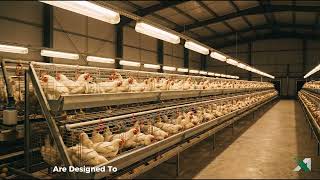
Managing Cannibalism and Feather Pecking in Layers

Understanding Cannibalism and Feather Pecking in Layers
Cannibalism and feather pecking are significant layer behavior problems that can affect the health and productivity of your flock. These issues not only lead to injuries and stress among birds but can also result in substantial economic losses. Understanding the causes and implementing effective management strategies is crucial for any poultry farmer.
Causes of Cannibalism and Feather Pecking
Identifying the root causes of these behavior problems is essential. Here are some common triggers:
- Overcrowding: High stocking densities can lead to stress and competition for resources.
- Inadequate Nutrition: A lack of essential nutrients can lead to behavioral issues, including pecking.
- Environmental Stressors: Factors such as poor ventilation, extreme temperatures, and inadequate lighting can cause discomfort.
- Poor Management Practices: Inconsistent handling and lack of social structure can contribute to aggression.
Prevention Strategies
Preventing cannibalism and feather pecking requires a multifaceted approach. Here are some actionable tips:
1. Provide Adequate Space
Ensure your birds have enough space to move around comfortably. The recommended space is about 1.5 to 2 square feet per layer. This reduces stress and competition for resources.
2. Optimize Nutrition
Feed high-quality layer feed that meets the nutritional requirements of your flock. Look for feeds enriched with essential vitamins and minerals. Consider using quality veterinary products and supplements that support overall health and reduce the tendency for pecking.
3. Monitor Lighting
A proper lighting program can help minimize stress among layers. Use natural light as much as possible, and avoid sudden changes in light intensity. A consistent lighting schedule can improve mood and reduce aggressive behaviors.
4. Implement Environmental Enrichment
Introduce objects such as hanging treats, perches, and dust baths to keep layers engaged and reduce boredom. This helps distract them from pecking each other.
5. Regular Health Monitoring
Conduct regular health checks to ensure that all birds are healthy. Sick or injured birds can become targets of pecking. If you notice any injuries, separate affected birds to allow them to heal.
Beak Trimming as a Control Method
In some cases, beak trimming layers may be necessary to prevent severe injuries during cannibalism incidents. This should be done carefully and in accordance with best practices:
- Consult with a veterinarian to determine the best age for trimming.
- Use a hot blade or electric beak trimmer to minimize pain.
- Monitor trimmed birds closely for any signs of distress or complications.
Implementing Poultry Pecking Control Measures
Control measures should be proactive. Here are some additional tactics to consider:
1. Maintain Good Biosecurity
Prevent the introduction of diseases that can lead to stress in your flock. Ensure that your farm is biosecure by limiting access and maintaining cleanliness.
2. Use Flock Management Techniques
Keep a close eye on flock dynamics. Separate aggressive birds to prevent bullying. Consider keeping birds of similar age and size together to reduce competition.
3. Engage with Experts
Consult with poultry health specialists or veterinarians regularly. They can provide tailored advice and recommend quality products that can help manage layer behavior problems effectively.
Conclusion
Managing cannibalism and feather pecking in layers requires a comprehensive approach that includes proper nutrition, space management, environmental enrichment, and attentive flock management. By implementing these strategies, you can promote a healthier and more productive flock, ultimately improving your bottom line. Remember, quality veterinary products and supplements can make a significant difference in maintaining layer health.